
The simple present tense is one of the first grammar topics every English learner studies because it helps us describe habits, facts, routines, and universal truths. Just as similes make writing colourful and memorable, the simple present tense makes communication clear and direct. Similes are comparisons that help readers imagine ideas by connecting one thing with another using the words like or as. They are an important part of figurative language because they create vivid mental pictures and make ordinary sentences more engaging.
Nature offers many beautiful similes, and trees are among the strongest symbols used in literature. Trees represent strength, steady growth, resilience through changing seasons, wisdom gained over time, and the deep emotions that connect people with nature. Writers often combine grammar and figurative language to create sentences that are both correct and expressive. By understanding the simple present tense and learning how similes work, you can write with greater confidence, clarity, and creativity.
What Is the Simple Present Tense?
The simple present tense is used to describe:
- Daily habits
- Regular actions
- Facts
- General truths
- Scheduled events
- Permanent situations
Structure
Affirmative
- Subject + Base Verb
- Subject + Verb + s/es (for he, she, it)
Examples:
- I play football every Sunday.
- She reads before bed.
- The sun rises in the east.
Negative
- Subject + do/does + not + base verb
Examples:
- I do not drink coffee.
- He does not watch TV.
Questions
- Do/Does + Subject + Base Verb?
Examples:
- Do you like pizza?
- Does she study English?
Why Is the Simple Present Tense Important?
The simple present tense helps us communicate everyday ideas accurately. It appears in conversations, books, essays, academic writing, news reports, and business communication. Mastering this tense improves both spoken and written English.
What Is a Simile?
A simile is a figure of speech that compares two different things using the words like or as. It helps readers understand ideas by creating vivid and memorable images.
Example:
Her smile shines like the morning sun.
This comparison makes the description more colourful than simply saying she has a bright smile.
Like a Tree That Never Stops Growing
Meaning
Someone who continually learns, improves, or develops.
Best Usage
Perfect for describing lifelong learning, personal growth, or education.
Examples
- She learns new skills every year like a tree that never stops growing.
- He faces every challenge like a tree that keeps reaching toward the sky.
As Steady as an Ancient Oak
Meaning
Someone who remains calm, dependable, and reliable.
Best Usage
Useful when describing trustworthy people or stable situations.
Examples
- My grandfather stays as steady as an ancient oak.
- The teacher remains as steady as an ancient oak during every lesson.
Like Leaves Dancing in the Wind
Meaning
Something moving gently and gracefully.
Best Usage
Ideal for describing movement in stories or poems.
Examples
- The children laugh like leaves dancing in the wind.
- Her dress flows like leaves dancing in the wind.
As Bright as the Morning Sun
Meaning
Extremely cheerful or intelligent.
Best Usage
Works well when describing personality or appearance.
Examples
- She smiles as bright as the morning sun.
- His ideas shine as bright as the morning sun.
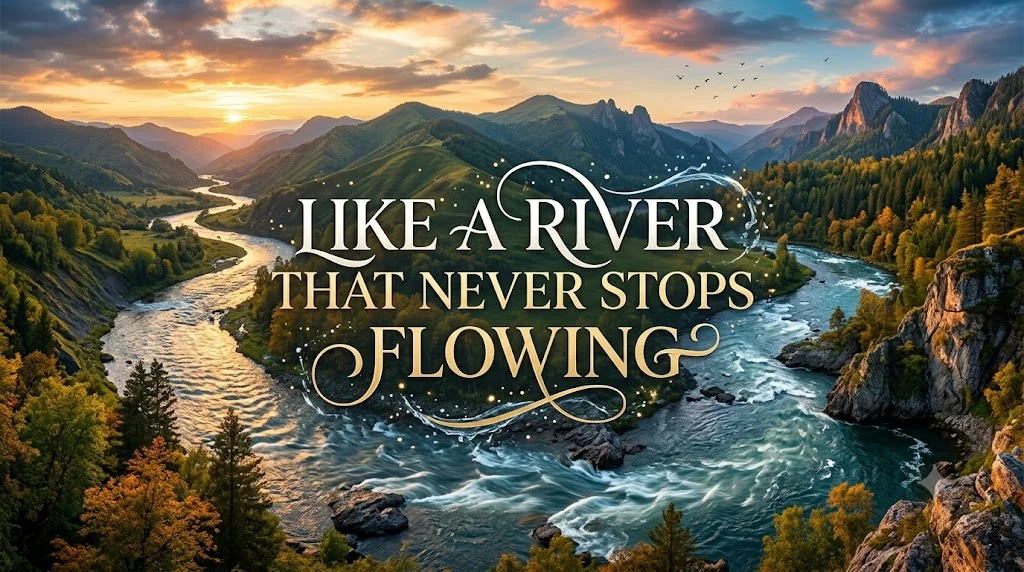
Like a River That Never Stops Flowing
Meaning
Continuous effort or constant progress.
Best Usage
Excellent for motivation and perseverance.
Examples
- She studies like a river that never stops flowing.
- Our team improves like a river that never stops flowing.
As Gentle as Spring Rain
Meaning
Very kind and caring.
Best Usage
Useful in emotional or descriptive writing.
Examples
- Her voice sounds as gentle as spring rain.
- The nurse treats patients as gentle as spring rain.
Like Stars Guiding Travellers
Meaning
Offering hope or direction.
Best Usage
Perfect for inspirational writing.
Examples
- Good teachers guide students like stars guiding travellers.
- His advice helps me like stars guiding travellers.
As Fresh as Morning Dew
Meaning
New, energetic, or refreshed.
Best Usage
Great for descriptive essays and stories.
Examples
- I feel as fresh as morning dew every morning.
- The flowers look as fresh as morning dew.
Like a Mountain Standing Tall
Meaning
Strong and confident.
Best Usage
Ideal for describing courage and resilience.
Examples
- She faces problems like a mountain standing tall.
- The captain leads the team like a mountain standing tall.
As Calm as a Quiet Forest
Meaning
Peaceful and relaxed.
Best Usage
Excellent for emotional descriptions.
Examples
- He stays as calm as a quiet forest during meetings.
- The classroom feels as calm as a quiet forest.
Like Birds Singing at Sunrise
Meaning
Full of happiness and energy.
Best Usage
Useful in joyful writing.
Examples
- The children play like birds singing at sunrise.
- Everyone arrives like birds singing at sunrise.
As Strong as Deep Roots
Meaning
Firm, stable, and resilient.
Best Usage
Ideal for family values and determination.
Examples
- Their friendship remains as strong as deep roots.
- Our traditions stay as strong as deep roots.
Like Blossoms Opening in Spring
Meaning
Growing with beauty and confidence.
Best Usage
Perfect for personal development.
Examples
- Her confidence grows like blossoms opening in spring.
- The young artist improves like blossoms opening in spring.
As Clear as Crystal Water

Meaning
Easy to understand.
Best Usage
Excellent in academic and professional writing.
Examples
- His explanation is as clear as crystal water.
- The instructions remain as clear as crystal water.
Like the Sunrise After a Storm
Meaning
Hope following difficult times.
Best Usage
Powerful in motivational writing.
Examples
- Their success arrives like the sunrise after a storm.
- New opportunities appear like the sunrise after a storm.
How to Use Similes Effectively in Writing
Well-written similes make your writing more engaging without making it difficult to understand. Follow these practical tips:
- Choose comparisons that readers can easily imagine.
- Use nature similes to create vivid descriptions.
- Avoid overusing similes in every sentence.
- Match the simile to the mood of your writing.
- Keep comparisons fresh and original.
- Use similes in poems to create rhythm and emotion.
- Add similes to stories to make characters and settings memorable.
- Include similes in essays when explaining complex ideas creatively.
- Strengthen song lyrics with emotional comparisons.
- Practise writing original similes using everyday objects and nature.
Frequently Asked Questions
What is the simple present tense?
The simple present tense describes habits, routines, facts, general truths, and regular actions. It is one of the most commonly used tenses in English.
What is the difference between a simile and a metaphor?
A simile compares two things using like or as, while a metaphor states that one thing is another without using comparison words.
Simile: She runs like the wind.
Metaphor: She is the wind.
Can I use similes in academic writing?
Yes. Similes can make explanations clearer when used carefully. However, they should be appropriate for the audience and not overused in formal academic work.
Why are nature similes popular in literature?
Nature provides familiar and vivid images. Writers often use trees, rivers, mountains, flowers, and stars to symbolise strength, beauty, wisdom, hope, and resilience.
How does the simple present tense improve writing?
The simple present tense creates clear, direct, and easy-to-understand sentences. It is especially useful for explaining facts, giving instructions, describing routines, and writing educational content.
Conclusion
Learning the simple present tense is an essential step toward becoming a confident English speaker and writer. It allows you to describe everyday routines, timeless facts, and regular actions with accuracy and simplicity. When you combine strong grammar with creative similes, your writing becomes clearer, more vivid, and far more engaging. Comparisons inspired by nature—such as trees, rivers, mountains, and stars—add emotional depth while helping readers picture your ideas more easily. Whether you are writing poems, stories, essays, classroom assignments, or professional content, thoughtful similes bring life to your words without sacrificing clarity. Continue practising the simple present tense alongside figurative language examples, and you will develop a writing style that is both grammatically correct and creatively expressive. With consistent practice, every sentence you write can become more meaningful, memorable, and enjoyable for your readers.