
Flirting can turn an ordinary conversation into something playful, warm, and memorable. One of the easiest ways to make your words more expressive is by using similes that compare attraction, charm, and chemistry to familiar images. A simile uses words such as “like” or “as” to create a clear comparison that helps readers feel an idea rather than simply understand it. In figurative language, these comparisons can add humor, confidence, romance, mystery, and emotional depth to everyday expressions. Nature similes are especially powerful because trees, flowers, moonlight, oceans, and stars can represent strength, growth, resilience, wisdom, and human emotion.
Just as a strong tree can stand gracefully through changing seasons, a well-chosen comparison can give flirting language confidence and character. Similes in literature have long helped writers turn simple feelings into vivid pictures that stay in the reader’s mind. Whether you are writing a romantic message, poem, story, song, or creative description, the right simile can make a compliment feel more personal and imaginative.
What Is a Simile?
A simile is a figure of speech that compares two different things using words such as “like” or “as.” Similes make descriptions more vivid by connecting an idea with something familiar.
Example: Her smile was like sunrise after a long night.
This comparison does more than say that she had a beautiful smile; it suggests warmth, brightness, hope, and emotional impact.
1. Her Smile Was Like Sunshine Through the Leaves
Meaning: This simile compares someone’s smile to sunlight filtering through leaves. It suggests warmth, beauty, softness, and a natural ability to brighten the mood.
Usage Insight: Use this comparison when flirting feels sweet and sincere rather than overly dramatic. It works particularly well in romantic messages, poems, and gentle compliments.
Examples:
- Your smile is like sunshine through the leaves; it makes everything around you feel brighter.
- She smiled at him like sunlight slipping through the trees on a quiet morning.
2. Your Eyes Sparkle Like Stars on a Clear Night
Meaning: This simile compares sparkling eyes with stars, suggesting beauty, excitement, mystery, and attraction.
Usage Insight: This is a classic romantic comparison that works well when describing someone’s eyes or the emotional connection created by eye contact.
Examples:
- Your eyes sparkle like stars on a clear night, and I keep forgetting what I was about to say.
- When she looked across the room, her eyes shone like stars above a silent city.
3. Your Laugh Is Like Music in an Empty Room
Meaning: This comparison suggests that someone’s laugh is refreshing, memorable, and capable of transforming an ordinary moment.
Usage Insight: Use it when flirting through personality rather than physical appearance. It can make a compliment feel more thoughtful and genuine.
Examples:
- Your laugh is like music in an empty room—it makes everything feel alive.
- His laugh was like music drifting through an open window, impossible not to notice.
4. Your Voice Is as Smooth as a Summer Breeze
Meaning: This simile compares a pleasant voice to a gentle summer breeze, creating a feeling of comfort, calmness, and attraction.
Usage Insight: It works especially well for romantic prose, poetry, or a subtle compliment that avoids sounding too intense.
Examples:
- Your voice is as smooth as a summer breeze, and I could listen to you talk all evening.
- Her voice was as soothing as a summer breeze moving through the trees.
5. Your Charm Is Like a Magnet
Meaning: This simile suggests that someone’s personality naturally attracts attention and draws people closer.
Usage Insight: Use it when you want to flirt about someone’s personality, confidence, or presence rather than focusing only on appearance.
Examples:
- Your charm is like a magnet; somehow, everyone ends up talking to you.
- He had a confidence like a magnet, quietly pulling attention toward him.
6. Talking to You Is Like Finding a Hidden Garden
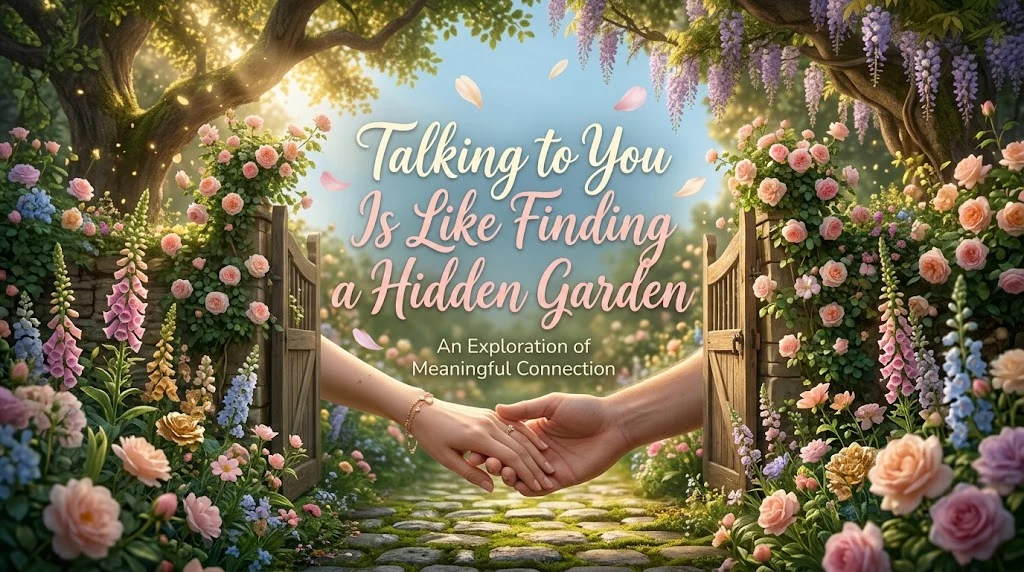
Meaning: This comparison suggests that conversation with someone feels unexpected, beautiful, peaceful, and rewarding.
Usage Insight: It is ideal for expressing emotional interest when you want your flirting to feel imaginative and meaningful.
Examples:
- Talking to you is like finding a hidden garden—I never want to leave once I get there.
- Getting to know her felt like discovering a hidden garden filled with unexpected beauty.
7. Your Presence Is Like Moonlight on Still Water
Meaning: This simile compares someone’s presence to moonlight reflected on calm water, suggesting elegance, mystery, peace, and quiet attraction.
Usage Insight: This works beautifully in romantic poetry and atmospheric descriptions where subtle attraction is more effective than direct praise.
Examples:
- Your presence is like moonlight on still water—quiet, beautiful, and impossible to ignore.
- She entered the room with a presence like moonlight resting on a silent lake.
8. Your Confidence Is Like a Tree Rooted in Stone
Meaning: This comparison connects confidence with the strength and stability of a deeply rooted tree. It suggests self-assurance that does not depend on approval.
Usage Insight: Use this when flirting with someone whose confidence or personality is especially attractive. It also brings a strong nature-based image into the writing.
Examples:
- Your confidence is like a tree rooted in stone; you never seem shaken by anything.
- Her confidence stood like a tree rooted in stone, calm even when everyone else was nervous.
9. Your Smile Is as Playful as a Spark in Dry Grass
Meaning: This simile suggests that someone’s smile is lively, mischievous, exciting, and capable of quickly creating chemistry.
Usage Insight: It works well for playful flirting when the mood is teasing rather than deeply romantic.
Examples:
- Your smile is as playful as a spark in dry grass, and now I’m wondering what trouble you’re planning.
- He gave her a grin as playful as a spark in dry grass.
10. Your Personality Is Like a Warm Fire on a Cold Night
Meaning: This comparison suggests that someone’s personality provides comfort, warmth, energy, and emotional attraction.
Usage Insight: Use this when flirting has developed beyond physical attraction and you want to compliment someone’s character.
Examples:
- Your personality is like a warm fire on a cold night; people naturally want to stay near you.
- Her kindness felt like a warm fire on a cold evening.
11. Your Eyes Are Like Windows to a Secret Garden
Meaning: This simile creates an image of mystery and discovery. It suggests that someone’s eyes reveal a fascinating inner world.
Usage Insight: It is useful when you want your flirting to sound mysterious, poetic, and emotionally curious.
Examples:
- Your eyes are like windows to a secret garden, and I’m tempted to learn every story behind them.
- Her eyes were like windows to a secret garden, full of questions he wanted to answer.
12. Your Energy Is Like a Spring River
Meaning: This comparison connects someone’s energy with the movement of a spring river, suggesting freshness, liveliness, freedom, and constant motion.
Usage Insight: Use it when complimenting someone who is energetic, spontaneous, or naturally exciting to be around.
Examples:
- Your energy is like a spring river; being around you makes everything feel more alive.
- His enthusiasm flowed like a spring river, carrying everyone else along with it.
13. Your Compliment Hit Me Like a Sudden Rain Shower
Meaning: This playful simile describes a compliment that arrives unexpectedly and has an immediate emotional effect.
Usage Insight: It works well for humorous or lighthearted flirting because it acknowledges surprise without becoming overly serious.
Examples:
- That compliment hit me like a sudden rain shower—I definitely wasn’t prepared for it.
- Her unexpected praise struck him like a sudden rain shower on a cloudless afternoon.
14. Your Chemistry Is Like Two Flames Meeting
Meaning: This simile describes strong mutual attraction as two flames coming together and creating greater energy.
Usage Insight: Use this comparison when writing about mutual attraction, romantic tension, or an obvious connection between two people.
Examples:
- Our chemistry is like two flames meeting; somehow, everything becomes more exciting.
- Their chemistry was like two flames meeting, immediate and impossible to overlook.
15. Flirting With You Is Like Dancing Under the Stars
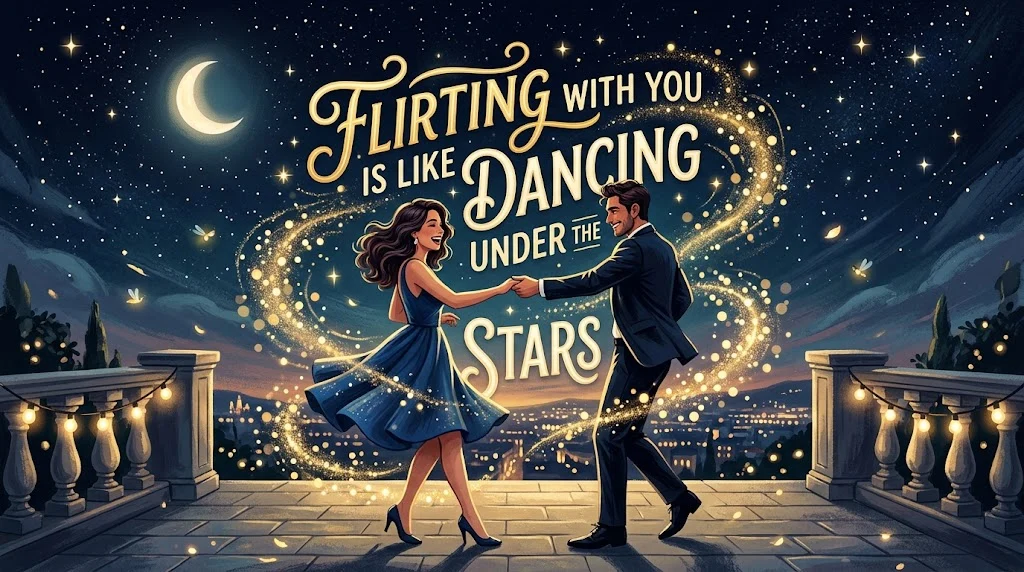
Meaning: This comparison presents flirting as playful, exciting, romantic, and effortless.
Usage Insight: It is especially effective for romantic writing, love letters, captions, poems, and descriptions of a memorable connection.
Examples:
- Flirting with you is like dancing under the stars—I never know where the moment will take us.
- Their conversation felt like dancing under the stars, playful and beautifully unpredictable.
How to Use Similes Effectively in Writing
Similes become most effective when they support the feeling you want your reader to experience rather than simply adding decorative language. Keep the comparison natural, specific, and connected to the subject.
1. Match the Simile to the Mood
For sweet flirting, choose gentle images such as sunshine, flowers, warm breezes, or soft moonlight. For playful flirting, sparks, dancing, and unexpected rain can create a livelier tone.
2. Use Nature Similes for Strong Imagery
Nature provides endless comparisons. Trees can suggest strength and resilience, flowers can represent beauty, rivers can suggest energy, and stars can create feelings of wonder and mystery.
3. Avoid Overusing Comparisons
A few memorable similes are usually stronger than filling every sentence with figurative language. Give each comparison enough space to make an impression.
4. Use Similes in Poems
Poetry benefits from emotional and sensory comparisons. A line such as “Your voice is like rain against my window” creates an atmosphere that a plain statement may not achieve.
5. Use Similes in Stories
In fiction, similes can reveal attraction between characters while also developing setting and personality. Instead of simply saying someone is charming, show how their presence affects another character.
6. Use Similes in Essays Carefully
Academic writing generally requires clarity and precision, so figurative language should be used selectively. A carefully chosen comparison can explain a complex concept, but it should never make the central idea confusing.
7. Use Similes in Songs
Songs often rely on memorable images. Comparisons involving stars, fire, oceans, seasons, and dreams can make emotional ideas easier for listeners to visualize and remember.
8. Make Flirting Feel Personal
The best flirting similes connect with something specific about the person. A personalized comparison usually feels more sincere than a generic compliment.
FAQs About Similes for Flirting
What are good similes for flirting?
Good flirting similes compare attraction or personality to appealing images such as stars, sunshine, moonlight, flowers, music, fire, or a gentle breeze. The best choice depends on whether you want the tone to be playful, romantic, mysterious, or sincere.
What is a simile according to this article?
A simile is a comparison between two different things using words such as “like” or “as.” For example, “Your smile is like sunshine” compares a smile with sunshine to emphasize warmth and brightness.
What is the difference between a simile and a metaphor?
A simile makes a comparison using words such as “like” or “as,” while a metaphor directly states that one thing is another. For example, “Your eyes are like stars” is a simile, while “Your eyes are stars” is a metaphor.
Can similes be used in creative writing?
Yes. Similes are widely used in poems, stories, songs, novels, speeches, and other creative forms of writing. They help writers create imagery, communicate emotions, and make descriptions more memorable.
Are similes appropriate for academic writing?
Similes can be used in academic writing when they clarify an idea or make a complex concept easier to understand. However, formal academic writing should prioritize precision, evidence, and clarity, so figurative language should be used thoughtfully.
Conclusion
Similes for flirting can transform simple compliments into vivid and memorable expressions of attraction. Instead of merely saying that someone is beautiful, interesting, confident, or exciting, a carefully chosen comparison can show exactly how that person makes you feel. Images of stars, sunlight, moonlight, rivers, fire, and trees give ordinary words greater clarity and emotional depth. These nature similes also remind us why the natural world remains such a powerful source of figurative language: trees represent strength and growth, rivers suggest movement, and stars inspire wonder. Whether you are creating a romantic poem, writing a story, composing a song, or simply looking for a more creative compliment, similes give your language personality. The strongest comparisons are not necessarily the most complicated ones; they are the ones that feel natural, specific, and emotionally true. With the right simile, flirting becomes more than a collection of compliments—it becomes a small act of creative expression that can make a conversation sparkle.