
Romantic feelings can be difficult to explain because love is often deeper than ordinary words can express. Similes make these emotions easier to understand by comparing feelings to familiar people, places, objects, and moments in nature. A simile usually uses words such as “like” or “as” to create a vivid comparison that helps readers feel an emotion rather than simply read about it. In figurative language, these comparisons add beauty, personality, and emotional depth to everyday expressions. Nature similes are especially powerful because the natural world gives us images of warmth, growth, beauty, movement, and connection.
Trees, for example, are powerful symbols of strength, growth, resilience, wisdom, and human emotion because they stand firmly through changing seasons while continuing to grow. Their roots can represent deep connections, while their branches can suggest relationships reaching toward a shared future. Whether you are writing a love poem, romantic story, personal message, or creative description, similes for romantic feelings can turn simple emotions into memorable imagery.
What Is a Simile?
A simile is a figure of speech that compares two different things using words such as “like” or “as.” Writers use similes to make feelings, ideas, people, and experiences more vivid and relatable.
Example: Her love was like a warm sunrise after a long, cold night.
This comparison helps readers imagine love as something comforting, hopeful, and beautiful.
1. His Love Was Like a Warm Sunrise After a Long Night
Meaning: This simile compares romantic love to sunrise, suggesting warmth, hope, comfort, and a new beginning after loneliness or sadness.
Usage Insight: Use this comparison when describing a relationship that brings happiness or emotional healing after a difficult period.
Examples:
- His love was like a warm sunrise, filling her quiet world with hope.
- Meeting him felt like watching the first sunrise after years of darkness.
2. Her Heart Fluttered Like a Bird at the First Hint of Spring
Meaning: This simile expresses the excitement and nervous energy that often comes with falling in love.
Usage Insight: It works especially well when describing a new romantic attraction, a first meeting, or the anticipation of seeing someone special.
Examples:
- Her heart fluttered like a bird whenever he walked into the room.
- At the sound of his voice, her heart moved like a bird sensing spring.
3. Their Connection Was Like Roots Beneath Ancient Soil
Meaning: This comparison suggests that two people share a deep, stable, and meaningful emotional connection.
Usage Insight: Use it for mature relationships, lasting love, or bonds that feel strong even when they are not openly displayed.
Examples:
- Their connection was like roots beneath ancient soil, hidden but remarkably strong.
- Years apart could not break a bond that ran as deep as roots beneath the earth.
4. Her Smile Was Like Moonlight on a Quiet Lake
Meaning: This simile presents someone’s smile as peaceful, gentle, beautiful, and quietly captivating.
Usage Insight: It is useful for romantic descriptions that focus on tenderness rather than intense passion.
Examples:
- Her smile was like moonlight on a quiet lake, softening everything around her.
- Whenever she smiled, the room seemed as peaceful as a lake beneath the moon.
5. Falling for Him Was Like Drifting Into a Dream
Meaning: This comparison suggests that falling in love happened naturally and almost magically, without the person realizing how deeply they were becoming attached.
Usage Insight: This works well when describing unexpected attraction or the gradual discovery of romantic feelings.
Examples:
- Falling for him was like drifting into a dream she never wanted to leave.
- Their friendship slowly became something deeper, almost like a dream unfolding on its own.
6. Her Affection Was as Gentle as a Summer Breeze
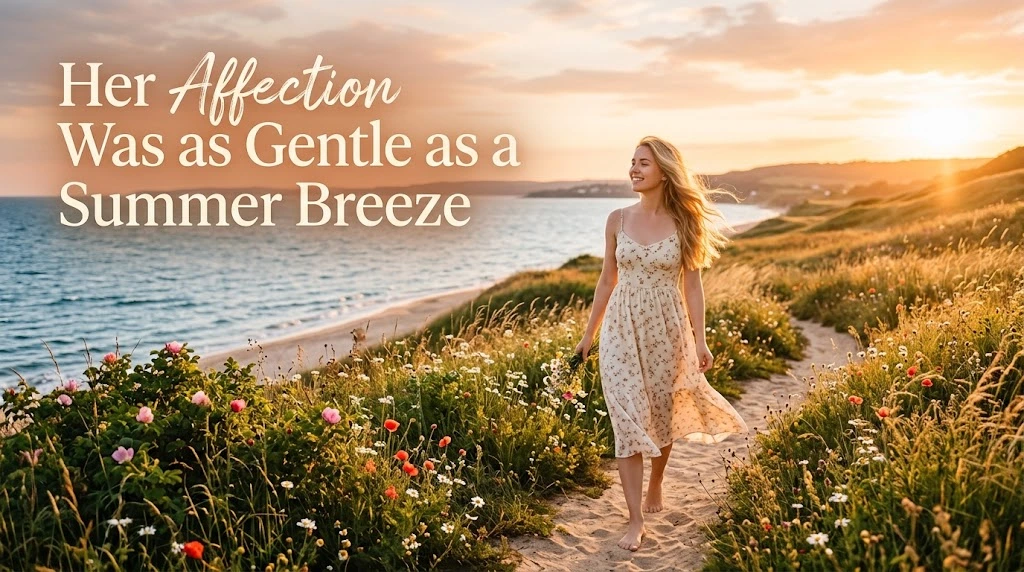
Meaning: This simile compares affection to a soft breeze, emphasizing tenderness, comfort, and emotional warmth.
Usage Insight: Use it when you want to describe caring love without making the emotion sound overwhelming or dramatic.
Examples:
- Her affection was as gentle as a summer breeze passing through an open window.
- Every thoughtful gesture felt as soft as a summer breeze against his skin.
7. His Presence Was Like a Lantern in the Dark
Meaning: This comparison suggests that someone’s presence provides comfort, guidance, safety, and emotional reassurance.
Usage Insight: It works particularly well when writing about a partner who makes difficult moments feel easier.
Examples:
- His presence was like a lantern in the dark, giving her courage when she needed it most.
- Even on her hardest days, his quiet companionship shone like a small light in the darkness.
8. Their Love Grew Like a Garden After Spring Rain
Meaning: This simile presents love as something that develops gradually through care, patience, trust, and shared experiences.
Usage Insight: Use this comparison when describing a relationship that becomes stronger over time.
Examples:
- Their love grew like a garden after spring rain, slowly becoming richer and more beautiful.
- With every honest conversation, their relationship blossomed like flowers after gentle rain.
9. Her Attraction Was Like a Magnet Pulling Him Closer
Meaning: This comparison describes a powerful attraction that makes two people feel naturally drawn toward one another.
Usage Insight: It is effective for describing strong chemistry or an attraction that is difficult to ignore.
Examples:
- Her confidence was like a magnet, drawing him closer without a single word.
- There was an invisible pull between them, as powerful as a magnet beneath a sheet of metal.
10. His Voice Was Like a Song She Never Grew Tired of Hearing
Meaning: This simile suggests that someone’s voice is comforting, beautiful, and emotionally meaningful.
Usage Insight: Use it when romantic feelings are connected to a person’s voice, conversations, laughter, or familiar presence.
Examples:
- His voice was like a song she never grew tired of hearing.
- Even an ordinary conversation sounded beautiful when his voice carried through the room.
11. Their First Kiss Was Like Fireworks Across a Summer Sky
Meaning: This comparison emphasizes excitement, intensity, surprise, and emotional energy.
Usage Insight: It works best for passionate romantic writing where the moment feels extraordinary and unforgettable.
Examples:
- Their first kiss was like fireworks exploding across a summer sky.
- The moment their lips met, excitement rushed through them like a sky full of fireworks.
12. Her Love Was as Steady as an Old Oak Tree
Meaning: This simile presents love as dependable, enduring, protective, and strong.
Usage Insight: Because trees often symbolize strength and resilience, this comparison is especially useful for describing loyal, lasting relationships.
Examples:
- Her love was as steady as an old oak tree standing through every season.
- Through every challenge, his devotion remained as strong as an ancient tree.
13. Missing Her Was Like an Empty House After a Celebration
Meaning: This comparison expresses the loneliness and silence that can follow when someone important is absent.
Usage Insight: Use it when writing about longing, separation, distance, or the emotional emptiness caused by missing someone.
Examples:
- Missing her was like returning to an empty house after the lights and laughter had disappeared.
- Without him, the apartment felt as lonely as a home after everyone had gone.
14. Their Happiness Was Like Sunlight Dancing Through the Leaves
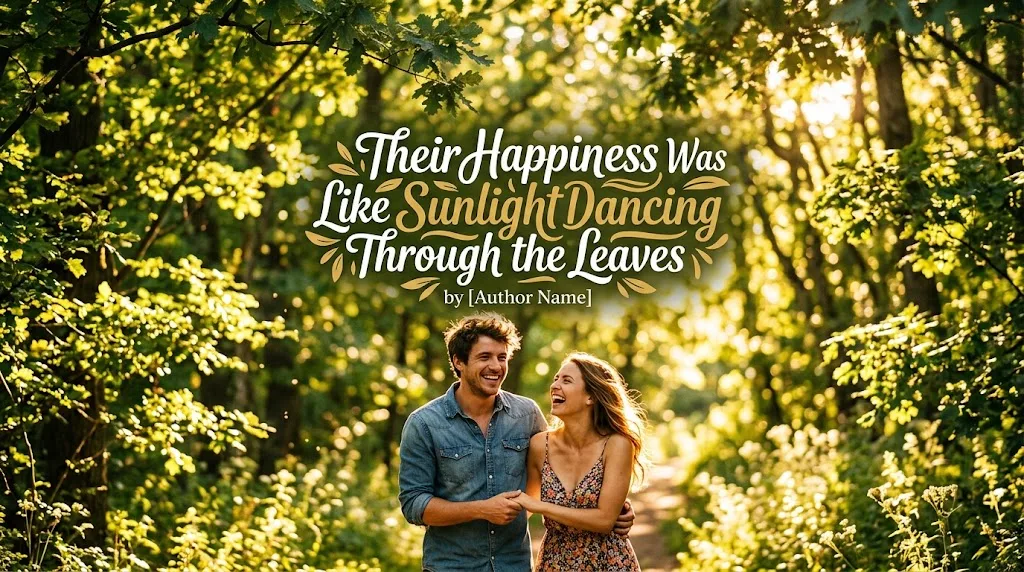
Meaning: This simile portrays romantic happiness as bright, playful, natural, and full of movement.
Usage Insight: It works beautifully in romantic stories, poems, and descriptions of joyful moments shared by couples.
Examples:
- Their happiness was like sunlight dancing through the leaves on a peaceful afternoon.
- Every laugh between them flickered like sunlight moving across a summer garden.
15. Loving Her Felt Like Finding Home in a Stranger’s Heart
Meaning: This original comparison suggests that love can create an unexpected sense of belonging, safety, and emotional familiarity.
Usage Insight: Use it when describing a relationship that quickly feels comfortable, meaningful, and deeply personal.
Examples:
- Loving her felt like finding home in a stranger’s heart.
- From their first conversation, being with her felt strangely familiar, like finally coming home.
How to Use Similes Effectively in Writing
Similes become most powerful when they support the emotion rather than simply decorate a sentence. Whether you are writing poetry, fiction, essays, songs, or personal messages, choose comparisons that naturally fit your subject and tone.
1. Match the Simile to the Emotion
Choose imagery that reflects the feeling you want readers to experience. A sunrise can represent hope, while a storm may represent emotional conflict or overwhelming passion.
2. Use Nature as an Emotional Mirror
Nature provides countless powerful comparisons. Trees can represent lasting love, flowers can suggest beauty and affection, rivers can represent emotional movement, and stars can symbolize admiration or hope.
3. Keep Romantic Similes Natural
Avoid forcing a comparison simply because it sounds poetic. The best similes feel natural and help readers immediately understand the emotion.
4. Use Different Types of Imagery
Do not rely only on visual comparisons. Describe romantic feelings through sound, touch, movement, temperature, light, and even familiar experiences.
5. Use Similes in Poems
In poetry, similes can create rhythm and emotional imagery. A simple comparison can transform an ordinary romantic statement into something memorable.
6. Use Them in Stories
In fiction, romantic similes can reveal how a character experiences attraction, affection, longing, or love without directly stating every emotion.
7. Use Them in Songs
Songwriters often use comparisons because they make emotions easy to visualize and remember. A strong simile can also give a lyric a distinctive emotional identity.
8. Use Them Carefully in Academic Writing
Creative similes are less common in formal academic writing, but carefully chosen comparisons can clarify abstract concepts. They should support the explanation rather than distract from it.
9. Avoid Repeating the Same Comparison
Using “love is like a rose” repeatedly can make writing predictable. Experiment with original imagery involving weather, landscapes, music, light, seasons, architecture, and everyday experiences.
10. Make the Comparison Meaningful
A strong simile should have a clear connection between the two things being compared. Ask yourself what quality they share: warmth, strength, beauty, movement, comfort, mystery, or resilience.
FAQs About Similes for Romantic Feelings
What are some good similes for romantic feelings?
Good similes for romantic feelings include comparisons such as “Her affection was as gentle as a summer breeze” and “Their love grew like a garden after spring rain.” The best choice depends on whether you want to express attraction, tenderness, passion, longing, comfort, or lasting commitment.
What is the difference between a simile and a metaphor?
A simile makes a comparison using words such as “like” or “as.” A metaphor makes a direct comparison without those words. For example, “His love was like sunlight” is a simile, while “His love was sunlight” is a metaphor.
Can similes be used in romantic writing?
Yes. Similes are especially useful in romantic writing because they help communicate emotions that can be difficult to describe directly. They can make love, attraction, longing, affection, and intimacy more vivid.
Can I use similes in academic writing?
Yes, but they should be used carefully. In academic writing, a comparison should clarify an idea or make a complex concept easier to understand rather than simply add decoration.
Why are nature similes effective for describing love?
Nature similes work well because readers already understand familiar experiences such as sunlight, rain, flowers, trees, rivers, and changing seasons. These natural images can represent growth, strength, beauty, renewal, stability, and emotional change.
Conclusion
Similes for romantic feelings give writers a beautiful way to transform invisible emotions into clear and memorable images. Instead of simply saying that someone feels happy, attracted, nervous, devoted, or deeply in love, a thoughtful comparison allows readers to experience that emotion through familiar imagery. A heart can flutter like a bird, love can grow like a garden, and devotion can stand as firmly as an old oak tree. These comparisons add clarity, imagery, and emotional depth while making ordinary language more expressive. Nature similes are particularly powerful because trees, flowers, sunlight, rain, rivers, and seasons naturally connect with ideas of growth, resilience, beauty, change, and connection.
Whether you are creating poetry, writing a romantic story, composing a song, or adding personality to creative descriptions, the right simile can make your words stay with the reader. Use these comparisons thoughtfully, experiment with fresh imagery, and let your language express feelings that ordinary words sometimes cannot capture.