
Learning language can be exciting, especially when children discover creative ways to describe the world around them. One of the easiest and most enjoyable figurative language tools for young learners is the simile. Similes help children compare two different things using words like “as” or “like.” These comparisons make writing more colorful, interesting, and memorable. Understanding similes at an early age also helps children develop stronger reading and writing skills.
They encourage imagination and help young learners express thoughts more clearly. Just as trees grow stronger with time, children’s language skills grow through practice and creativity. Trees are often seen as symbols of strength, growth, resilience, wisdom, and human emotion, making them wonderful inspirations for figurative language examples. By exploring similes for kindergarten, young learners can build confidence while having fun with words and comparisons.
What Is a Simile?
A simile is a figure of speech that compares two different things using the words “like” or “as.” Similes help readers create vivid mental images and better understand descriptions.
Example:
She was as happy as a bird singing in the morning.
This simile compares happiness to a cheerful bird, helping readers imagine the feeling more clearly.
As Bright as the Morning Sun
Meaning
Something that is very bright, cheerful, or full of energy.
Usage Insight
This simile works well when describing happy children, positive attitudes, or sunny days.
Examples
- Emma’s smile was as bright as the morning sun.
- The classroom felt as bright as the morning sun after the decorations were added.
As Gentle as a Falling Leaf
Meaning
Very soft, calm, and kind.
Usage Insight
Use this simile when describing caring people, quiet movements, or peaceful moments.
Examples
- Her voice was as gentle as a falling leaf.
- The teacher spoke as gentle as a falling leaf to the nervous child.
As Busy as a Honeybee
Meaning
Very active and hardworking.
Usage Insight
Perfect for describing children, workers, or anyone who is constantly occupied.
Examples
- Liam was as busy as a honeybee during art class.
- The students were as busy as honeybees preparing for the school fair.
As Happy as a Puppy with a New Toy
Meaning
Extremely joyful and excited.
Usage Insight
Works best when describing excitement, celebrations, or special surprises.
Examples
- She was as happy as a puppy with a new toy on her birthday.
- The children looked as happy as puppies with new toys at recess.
As Tall as a Growing Tree
Meaning
Very tall or growing quickly.
Usage Insight
Useful when describing growth and development.
Examples
- Jack is becoming as tall as a growing tree.
- The sunflower stood as tall as a growing tree in the garden.
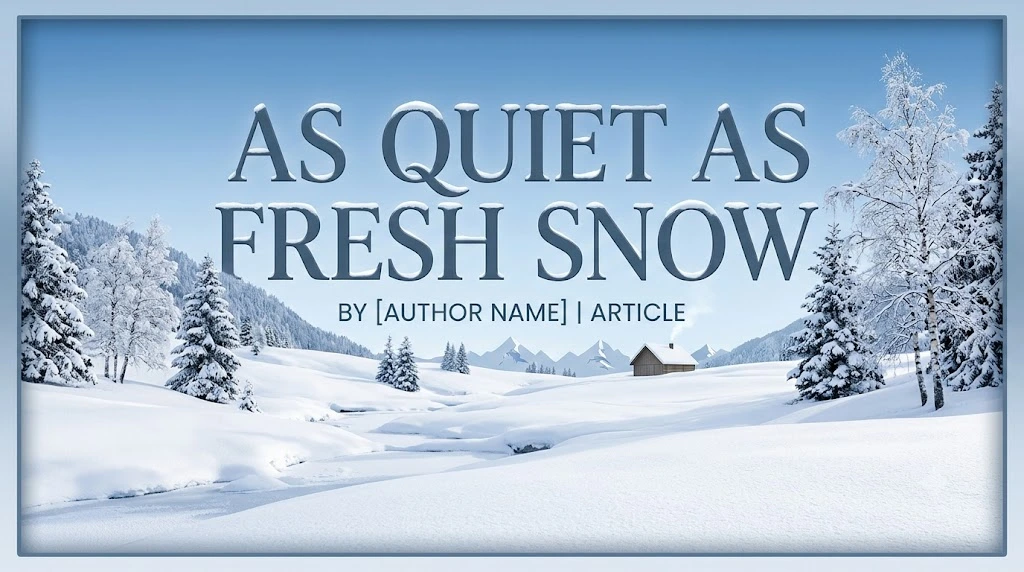
As Quiet as Fresh Snow
Meaning
Very silent and peaceful.
Usage Insight
Ideal for describing calm environments and quiet behavior.
Examples
- The room became as quiet as fresh snow during reading time.
- The library was as quiet as fresh snow.
As Colorful as a Rainbow
Meaning
Full of bright colors and excitement.
Usage Insight
Excellent for describing artwork, clothing, or celebrations.
Examples
- Her drawing was as colorful as a rainbow.
- The classroom decorations looked as colorful as a rainbow.
As Soft as a Cloud
Meaning
Very smooth and comfortable.
Usage Insight
Use it for blankets, pillows, stuffed animals, or gentle textures.
Examples
- The pillow felt as soft as a cloud.
- The kitten’s fur was as soft as a cloud.
As Fast as a Running Rabbit
Meaning
Very quick and energetic.
Usage Insight
Great for describing speed during games and sports.
Examples
- Noah ran as fast as a running rabbit.
- The little dog was as fast as a running rabbit.
As Sweet as Honey
Meaning
Kind, friendly, and pleasant.
Usage Insight
Often used to describe personalities and caring actions.
Examples
- Mia is as sweet as honey to everyone she meets.
- The note was as sweet as honey.
As Strong as a Mighty Oak
Meaning
Very strong and dependable.
Usage Insight
Inspired by nature similes, this comparison works well for bravery and resilience.
Examples
- The firefighter stood as strong as a mighty oak.
- Grandpa remained as strong as a mighty oak despite his age.
As Shiny as a Star

Meaning
Very bright and sparkling.
Usage Insight
Perfect for describing eyes, decorations, or achievements.
Examples
- Her eyes were as shiny as a star.
- The trophy looked as shiny as a star.
As Playful as a Dolphin
Meaning
Fun-loving, energetic, and cheerful.
Usage Insight
Useful for describing active children and joyful moments.
Examples
- The kids were as playful as dolphins at the beach.
- He remained as playful as a dolphin throughout the party.
As Fresh as Spring Flowers
Meaning
New, lively, and full of energy.
Usage Insight
Works well when describing positive feelings and beautiful surroundings.
Examples
- The garden looked as fresh as spring flowers.
- She felt as fresh as spring flowers after a good night’s sleep.
As Curious as a Little Squirrel
Meaning
Very interested in learning and exploring.
Usage Insight
Excellent for describing young learners and adventurous minds.
Examples
- Ava was as curious as a little squirrel during the science lesson.
- The child looked as curious as a little squirrel exploring the park.
How to Use Similes Effectively in Writing
Similes can make writing more engaging and easier to understand. Here are some practical tips:
Poems
- Use similes to create vivid images.
- Compare emotions to nature for stronger feelings.
For Stories
- Help readers picture characters and settings.
- Use simple comparisons that fit the story naturally.
Essays
- Add descriptive details without overusing comparisons.
- Choose similes that support your main idea.
For Songs
- Create memorable lines with creative imagery.
- Use comparisons that connect with emotions.
Creative Descriptions
- Focus on familiar objects children recognize.
- Use nature similes to make descriptions more colorful and relatable.
FAQs About Similes for Kindergarten
What are similes for kindergarten?
Similes for kindergarten are simple comparisons using “like” or “as” that help young children understand and describe things more clearly.
What is the difference between a simile and a metaphor?
A simile uses words like “like” or “as” to compare two things, while a metaphor directly states that one thing is another.
Why are similes important for young learners?
They build vocabulary, improve creativity, and help children express ideas in a fun and meaningful way.
Can similes be used in academic writing?
Yes. While they are most common in creative writing, similes can also make explanations clearer when used appropriately.
Are similes found in literature?
Absolutely. Similes are common in literature, poetry, songs, and storytelling because they create strong imagery and emotional connections.
Conclusion
Similes for kindergarten provide a fun and effective way for young learners to explore language, imagination, and creativity. By using simple comparisons, children can describe people, places, feelings, and experiences more clearly. These figurative language examples make writing more colorful and engaging while helping readers visualize ideas with ease. Whether inspired by nature similes, everyday objects, or playful experiences, similes encourage stronger communication skills and deeper understanding. As children continue to read, write, and explore similes in literature, they gain valuable tools for self-expression. With regular practice, these simple comparisons can transform ordinary sentences into vivid and memorable descriptions filled with clarity, imagery, and emotional depth.