
Language becomes more vivid and memorable when writers use creative comparisons. Among the most popular tools in figurative language are similes and metaphors, which help readers visualize ideas, emotions, and experiences. Similes compare two different things using words such as “like” or “as,” while metaphors make direct comparisons without those connecting words. These techniques allow ordinary descriptions to become colorful and engaging.
They are widely used in poetry, stories, songs, speeches, and everyday conversations. Writers often use nature-inspired imagery because natural elements create strong emotional connections with readers. Trees, for example, symbolize strength, growth, resilience, wisdom, and deep human emotions, making them powerful subjects in figurative language. By learning how similes and metaphors work, you can make your writing clearer, richer, and more expressive.
What Is a Simile?
A simile is a figure of speech that compares two different things using the words “like” or “as.” The purpose of a simile is to help readers understand an idea by connecting it to something familiar.
Example:
Her smile was as bright as the morning sun.
This comparison helps readers instantly imagine warmth, happiness, and radiance.
As Strong as an Ancient Oak
Meaning: Extremely strong, dependable, and resilient.
Usage Insight: This simile works well when describing a person, relationship, or object that remains steady through challenges.
Examples:
- Despite years of hardship, her determination remained as strong as an ancient oak.
- Their friendship stood as strong as an ancient oak through every difficulty.
Like a River Finding Its Way
Meaning: Moving forward naturally despite obstacles.
Usage Insight: Ideal for describing persistence, personal growth, or life’s journey.
Examples:
- He adapted to every challenge like a river finding its way.
- Her career progressed like a river finding its way through the landscape.
As Bright as a Field of Wildflowers
Meaning: Full of color, joy, and positivity.
Usage Insight: Useful when describing cheerful personalities or uplifting scenes.
Examples:
- Her personality was as bright as a field of wildflowers.
- The festival atmosphere felt as bright as a field of wildflowers in spring.
Like a Lighthouse in the Storm
Meaning: Providing guidance during difficult times.
Usage Insight: Effective for describing mentors, leaders, or supportive friends.
Examples:
- His advice was like a lighthouse in the storm during uncertain times.
- The teacher became like a lighthouse in the storm for struggling students.
As Gentle as Falling Snow
Meaning: Calm, soft, and peaceful.
Usage Insight: Best used for describing behavior, voices, or quiet moments.
Examples:
- Her voice was as gentle as falling snow.
- The evening breeze felt as gentle as falling snow against my skin.
Like a Seed Reaching for Sunlight
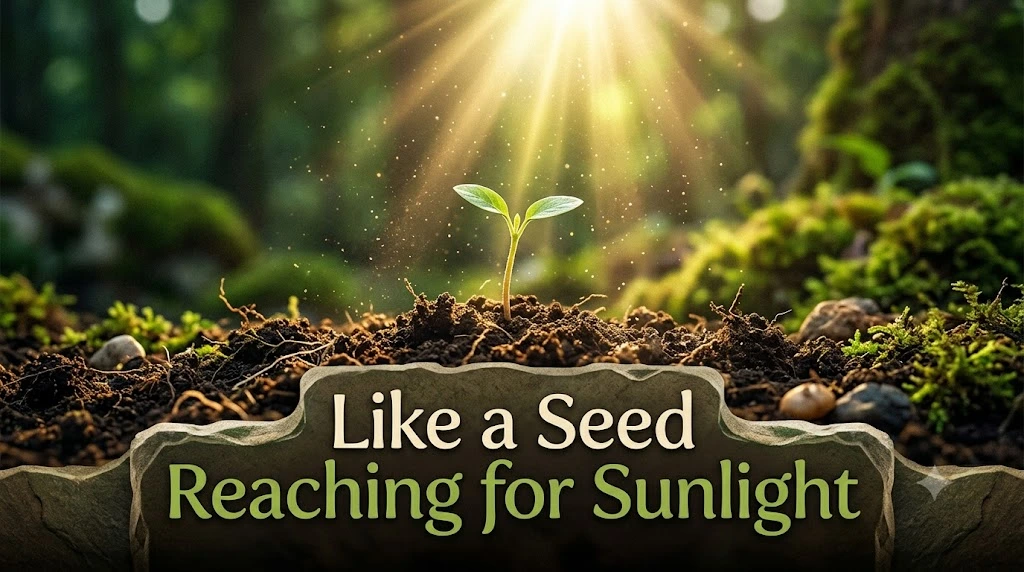
Meaning: Growing, learning, and striving for improvement.
Usage Insight: Perfect for discussions of personal development and ambition.
Examples:
- The young artist grew like a seed reaching for sunlight.
- Her confidence expanded like a seed reaching for sunlight.
As Steady as Mountain Stone
Meaning: Reliable, unwavering, and dependable.
Usage Insight: Useful for portraying consistency and trustworthiness.
Examples:
- His leadership remained as steady as mountain stone.
- The team’s commitment was as steady as mountain stone.
Like Stars Scattered Across the Sky
Meaning: Numerous, beautiful, or inspiring.
Usage Insight: Great for describing ideas, dreams, or achievements.
Examples:
- Opportunities appeared like stars scattered across the sky.
- Her accomplishments shone like stars scattered across the sky.
As Deep as the Ocean Floor
Meaning: Profound, thoughtful, or emotionally rich.
Usage Insight: Works well for emotions, wisdom, or meaningful discussions.
Examples:
- His understanding of history was as deep as the ocean floor.
- Their conversation became as deep as the ocean floor.
Like a Tree Rooted in Rich Soil
Meaning: Secure, grounded, and connected.
Usage Insight: Excellent for describing stability and strong values.
Examples:
- She remained like a tree rooted in rich soil despite success.
- The community stood like a tree rooted in rich soil.
As Swift as a Falcon’s Flight
Meaning: Very fast and efficient.
Usage Insight: Suitable for action scenes and descriptions of speed.
Examples:
- The athlete moved as swift as a falcon’s flight.
- News spread as swift as a falcon’s flight across the city.
Like a Candle in the Darkness
Meaning: Offering hope in difficult situations.
Usage Insight: Useful in emotional or inspirational writing.
Examples:
- Her kindness was like a candle in the darkness.
- The charity became like a candle in the darkness for many families.
As Fresh as Morning Dew
Meaning: New, refreshing, and full of energy.
Usage Insight: Ideal for describing ideas, beginnings, or youthful enthusiasm.
Examples:
- His perspective was as fresh as morning dew.
- The redesigned website looked as fresh as morning dew.
Like Thunder Rolling Across the Hills
Meaning: Powerful, dramatic, and impossible to ignore.
Usage Insight: Effective for describing strong emotions or impactful events.
Examples:
- Her speech arrived like thunder rolling across the hills.
- The announcement spread like thunder rolling across the hills.
As Resilient as a Tree After Winter
Meaning: Recovering and thriving after hardship.
Usage Insight: Perfect for stories of perseverance and renewal.
Examples:
- She emerged as resilient as a tree after winter.
- The company proved as resilient as a tree after winter during the recession.
How to Use Similes Effectively in Writing
Using similes effectively can transform ordinary writing into memorable and engaging content. Here are some practical tips:
- Choose familiar comparisons: Readers connect more easily with images they recognize.
- Match the tone: Use gentle similes for emotional scenes and stronger comparisons for dramatic moments.
- Avoid overusing similes: Too many comparisons can make writing feel cluttered.
- Use nature similes thoughtfully: Elements such as trees, rivers, mountains, and stars create vivid imagery.
- Support your theme: Select comparisons that reinforce the mood and message of your piece.
- Enhance poetry and songs: Similes add rhythm, emotion, and memorable imagery.
- Improve stories: They help readers visualize characters, settings, and actions.
- Strengthen essays: Carefully chosen figurative language examples can make explanations more engaging.
- Create emotional depth: Comparisons help readers connect with feelings and experiences.
FAQs
What are similes and metaphors?
Similes and metaphors are figures of speech that compare two different things. Similes use words such as “like” or “as,” while metaphors make direct comparisons without those words.
What is the difference between similes and metaphors?
A simile says one thing is like another, while a metaphor says one thing is another. For example, “He is as brave as a lion” is a simile, while “He is a lion” is a metaphor.
Why are similes important in writing?
Similes help readers visualize ideas, understand emotions, and connect with descriptions more easily. They make writing more engaging and memorable.
Are similes used in academic writing?
Yes, but sparingly. In academic writing, similes can clarify complex concepts when used appropriately and professionally.
How do similes improve creative writing?
Similes add imagery, emotion, and depth to poems, stories, songs, and descriptive passages, making them more vivid and impactful.
Conclusion
Similes and metaphors are among the most powerful tools in figurative language. They help writers create vivid images, communicate emotions, and make complex ideas easier to understand. Whether you use nature similes, literary comparisons, or original figurative language examples, these techniques can bring energy and meaning to your writing. From describing resilience as a tree after winter to portraying hope as a candle in the darkness, effective comparisons make language more memorable and engaging. By practicing and experimenting with similes and metaphors, you can enrich your poems, stories, essays, and everyday communication while creating stronger connections with your readers.