
Anger is a strong emotion, and sometimes ordinary words are not enough to describe it. That is where similes for mad become useful. Similes compare one thing to another using the words like or as, helping readers picture emotions more clearly. They are an important part of figurative language because they make writing more vivid, memorable, and expressive. Whether you are writing a story, poem, essay, or song, similes can make your descriptions feel more alive.
Nature often provides the best inspiration for similes because it is full of powerful images and emotions. Trees, for example, are powerful symbols of strength, growth, resilience, wisdom, and human emotion, reminding us that even strong feelings like anger can eventually settle and give way to calm. In this guide, you will discover creative similes for mad, along with meanings, examples, and practical tips to make your writing stronger.
What Is a Simile?
A simile is a figure of speech that compares two different things using the words “like” or “as.” It helps readers understand emotions, actions, or descriptions by connecting them to familiar images.
Example:
He was as mad as a volcano ready to erupt.
This comparison instantly creates a vivid image of intense anger waiting to explode.
Like a Volcano Ready to Erupt
Meaning
This simile describes someone whose anger is building and is about to burst out.
Usage Insight
Use it when describing intense frustration or someone struggling to control their temper.
Examples
- She looked like a volcano ready to erupt after hearing the unfair decision.
- He stayed silent, but his face was like a volcano ready to erupt.
As Mad as a Hornet’s Nest
Meaning
It describes someone who is extremely angry and easily provoked.
Usage Insight
This works well in stories, conversations, and dramatic scenes.
Examples
- Dad was as mad as a hornet’s nest after seeing the broken window.
- The coach became as mad as a hornet’s nest when the team ignored his instructions.
Like a Thunderstorm Rolling In
Meaning
This simile suggests anger that grows steadily before becoming overwhelming.
Usage Insight
Perfect for building suspense before an emotional outburst.
Examples
- Her anger came like a thunderstorm rolling in.
- Everyone sensed his mood changing like a thunderstorm rolling in.
As Mad as a Wild Bull
Meaning
It represents fierce, uncontrollable anger.
Usage Insight
Great for action scenes and powerful emotional moments.
Examples
- He charged forward as mad as a wild bull.
- She defended her family as mad as a wild bull.
Like Fire Racing Through Dry Grass
Meaning
This simile describes anger spreading very quickly.
Usage Insight
Use it when emotions escalate within seconds.
Examples
- His temper spread like fire racing through dry grass.
- The argument grew like fire racing through dry grass.
As Mad as a Caged Tiger
Meaning
It refers to someone feeling trapped and furious.
Usage Insight
Excellent for characters dealing with restrictions or injustice.
Examples
- She paced the room as mad as a caged tiger.
- He felt as mad as a caged tiger while waiting for an explanation.
Like Waves Crashing Against Cliffs

Meaning
This simile compares repeated bursts of anger to relentless ocean waves.
Usage Insight
Ideal for describing recurring frustration.
Examples
- His emotions hit like waves crashing against cliffs.
- Her complaints came like waves crashing against cliffs.
As Mad as a Boiling Kettle
Meaning
It describes anger that is reaching its limit.
Usage Insight
Use this simile when someone is barely holding back.
Examples
- She was as mad as a boiling kettle during the meeting.
- He became as mad as a boiling kettle after hearing the accusation.
Like Lightning Striking a Tree
Meaning
This comparison shows sudden and explosive anger.
Usage Insight
Best for unexpected emotional reactions.
Examples
- His words came like lightning striking a tree.
- She reacted like lightning striking a tree after the insult.
As Mad as a Stormy Sea
Meaning
It represents deep, turbulent anger.
Usage Insight
A beautiful nature simile for emotional writing and poetry.
Examples
- Her heart felt as mad as a stormy sea.
- His emotions were as mad as a stormy sea all afternoon.
Like Steam Escaping a Pressure Cooker
Meaning
It suggests anger finally being released.
Usage Insight
Use it after long periods of frustration.
Examples
- His frustration escaped like steam from a pressure cooker.
- She sighed like steam escaping a pressure cooker.
As Mad as a Cornered Wolf
Meaning
This simile describes someone angry because they feel threatened.
Usage Insight
Useful in survival stories or emotional conflicts.
Examples
- He fought back as mad as a cornered wolf.
- She answered as mad as a cornered wolf.
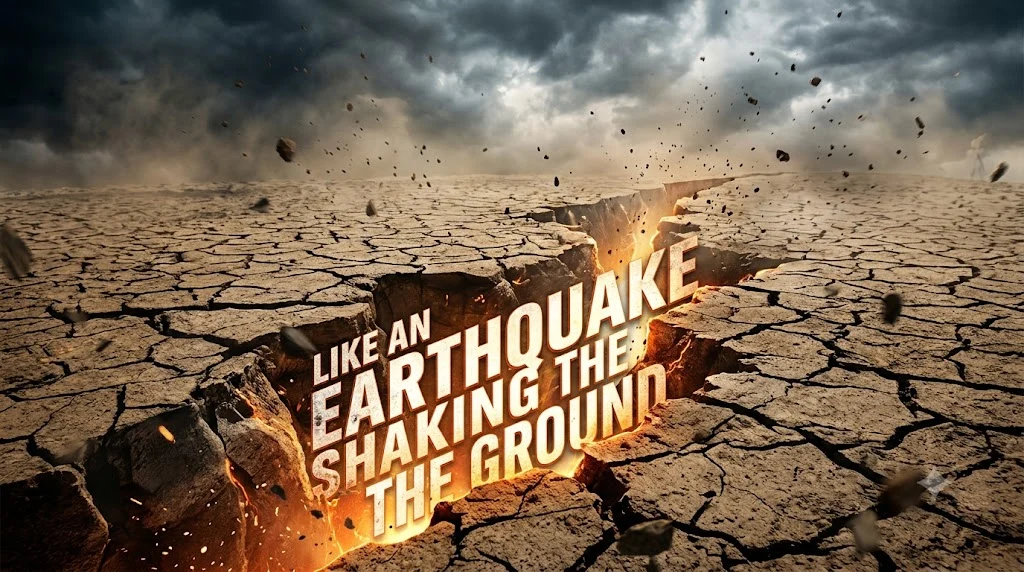
Like an Earthquake Shaking the Ground
Meaning
It compares powerful anger to a force that changes everything around it.
Usage Insight
Best for major emotional turning points.
Examples
- His shouting hit the room like an earthquake shaking the ground.
- The news affected her like an earthquake shaking the ground.
As Mad as a Roaring Lion
Meaning
This simile symbolizes fearless and commanding anger.
Usage Insight
Perfect for strong leaders or protective characters.
Examples
- The captain stood as mad as a roaring lion.
- She sounded as mad as a roaring lion defending her child.
Like Dark Clouds Before Heavy Rain
Meaning
It describes silent anger that warns something bigger is coming.
Usage Insight
Excellent for creating suspense before conflict.
Examples
- His silence hung like dark clouds before heavy rain.
- She waited like dark clouds before heavy rain, ready to respond.
How to Use Similes Effectively in Writing
Using similes for mad can make your writing more engaging and emotionally powerful. Here are some practical tips:
- Choose comparisons your readers can easily imagine.
- Match the simile to the intensity of the character’s anger.
- Use nature similes to create vivid and memorable imagery.
- Avoid overusing similes in every sentence.
- Blend similes naturally into poems, stories, essays, and songs.
- Read your sentence aloud to make sure the comparison sounds smooth.
- Study similes in literature to discover fresh writing ideas.
- Mix different figurative language examples with similes for richer descriptions.
FAQs
What are the best similes for mad?
Some effective similes for mad include like a volcano ready to erupt, as mad as a hornet’s nest, as mad as a roaring lion, and like fire racing through dry grass. Each creates a vivid image of anger.
What is the difference between a simile and a metaphor?
A simile compares two things using like or as, while a metaphor makes a direct comparison without those words. For example:
- Simile: She was as mad as a storm.
- Metaphor: She was a storm.
Why are similes useful in creative writing?
Similes help readers visualize emotions and situations. They make stories, poems, and songs more expressive and memorable by creating strong mental images.
Can I use similes in academic writing?
Yes, but use them carefully. Similes can make presentations, speeches, and reflective essays more engaging, though they are less common in formal research papers.
How can I create original similes for mad?
Think about natural forces, animals, or everyday objects that behave similarly to anger. Then create meaningful comparisons using like or as while keeping the image clear and easy to understand.
Conclusion
Learning and using similes for mad is an excellent way to describe anger with greater creativity and precision. Instead of simply saying someone was angry, you can paint vivid pictures with comparisons that readers immediately understand. Whether you choose a volcano, a thunderstorm, a roaring lion, or crashing waves, these similes add emotion, movement, and depth to your writing. They also strengthen your use of figurative language examples, enrich similes in literature, and make your storytelling more memorable. With thoughtful practice, you’ll discover that the right simile can transform an ordinary sentence into one that captures attention and leaves a lasting impression. Keep experimenting with fresh comparisons, and let your writing grow more expressive, imaginative, and impactful every day.