
Loneliness is one of the most complex emotions to describe with ordinary words. That is why writers often use powerful similes for loneliness to help readers feel the emotion more vividly. Similes compare one thing to another using the words like or as, creating memorable and meaningful images. They are an essential part of figurative language because they make writing more expressive, emotional, and relatable.
Nature often provides the strongest comparisons, making nature similes especially effective for describing feelings such as loneliness. Trees, for example, are powerful symbols of strength, growth, resilience, wisdom, and human emotion because they stand firm through changing seasons while continuing to grow. A single tree on an empty hill can perfectly represent both solitude and quiet endurance. In this guide, you will discover original similes, figurative language examples, and comparisons that help bring loneliness to life in stories, poems, essays, and everyday writing.
What Is a Simile?
A simile is a figure of speech that compares two different things using the words “like” or “as.” It helps readers create a vivid mental image and better understand an idea or emotion.
Example:
She felt as lonely as a lighthouse standing in an endless sea.
This comparison immediately paints a picture of isolation while also suggesting strength and endurance.
Like a Lone Tree Standing in an Empty Field
Meaning
This simile describes someone who feels isolated yet remains strong despite being alone.
When to Use It
It works beautifully in emotional stories, reflective essays, and poems where loneliness is mixed with resilience.
Examples
- After moving to a new city, I felt like a lone tree standing in an empty field.
- The old man waited like a lone tree standing in an empty field, unnoticed but unbroken.
Like the Last Star Before Dawn
Meaning
It represents someone who feels distant, unnoticed, or separated from others.
When to Use It
Use this simile when describing quiet emotional isolation or longing.
Examples
- She sat by the window like the last star before dawn, silent and forgotten.
- He wandered through the crowd like the last star before dawn, visible but alone.
As Silent as an Empty Forest in Winter
Meaning
This simile expresses deep loneliness combined with stillness and emotional emptiness.
When to Use It
Ideal for descriptive writing, novels, and nature-inspired poetry.
Examples
- The abandoned house felt as silent as an empty forest in winter.
- My heart became as silent as an empty forest in winter after everyone left.
Like a Boat Drifting Without a Shore
Meaning
It suggests feeling lost, directionless, and emotionally disconnected.
When to Use It
Perfect for personal essays and stories about uncertainty.
Examples
- Without my family nearby, I felt like a boat drifting without a shore.
- His thoughts floated like a boat drifting without a shore.
As Empty as an Abandoned Nest
Meaning
This comparison represents sadness after losing companionship or belonging.
When to Use It
Useful when writing about grief, change, or separation.
Examples
- The old home felt as empty as an abandoned nest.
- Her smile disappeared, leaving her heart as empty as an abandoned nest.
Like a Candle Burning in an Empty Room
Meaning
It symbolises quiet endurance despite feeling alone.
When to Use It
Great for inspirational writing that combines loneliness with hope.
Examples
- She continued working like a candle burning in an empty room.
- His determination shone like a candle burning in an empty room.
As Distant as an Island Beyond the Horizon
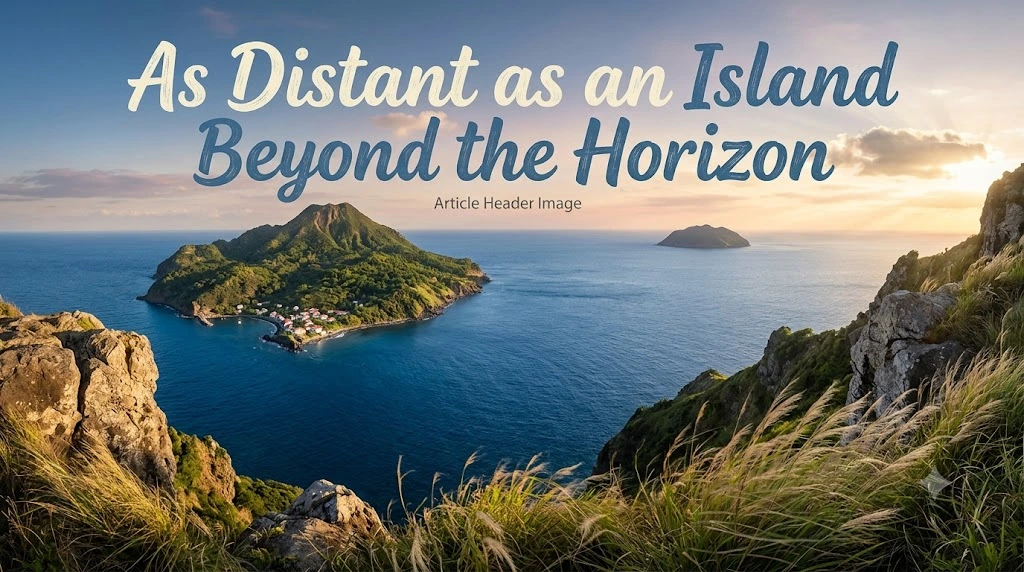
Meaning
It describes emotional separation and difficulty connecting with others.
When to Use It
Excellent for fiction and relationship writing.
Examples
- Since the argument, we felt as distant as an island beyond the horizon.
- He appeared as distant as an island beyond the horizon during the meeting.
Like Rain Falling on Empty Streets
Meaning
This simile reflects quiet sadness and emotional solitude.
When to Use It
Best suited for reflective descriptions and emotional scenes.
Examples
- Her tears fell like rain on empty streets.
- The evening passed like rain falling on empty streets, slow and lonely.
As Forgotten as an Old Letter
Meaning
It expresses the feeling of being ignored or left behind.
When to Use It
Ideal for emotional storytelling and character development.
Examples
- He felt as forgotten as an old letter tucked inside a drawer.
- The abandoned building stood as forgotten as an old letter.
Like an Echo in an Empty Valley
Meaning
This simile shows emotions that return without anyone listening.
When to Use It
Perfect for poetry and introspective writing.
Examples
- My thoughts returned like an echo in an empty valley.
- Her voice sounded like an echo in an empty valley.
As Lonely as a Lighthouse in a Storm
Meaning
It represents isolation while continuing to guide others.
When to Use It
Excellent for stories about sacrifice and resilience.
Examples
- The teacher stood as lonely as a lighthouse in a storm, helping everyone.
- He remained as lonely as a lighthouse in a storm despite his success.
Like a Single Feather in the Wind
Meaning
It describes vulnerability and emotional drifting.
When to Use It
Useful in lyrical writing and personal reflections.
Examples
- She wandered like a single feather in the wind.
- I felt like a single feather in the wind after graduation.
As Quiet as Snow Covering Empty Hills
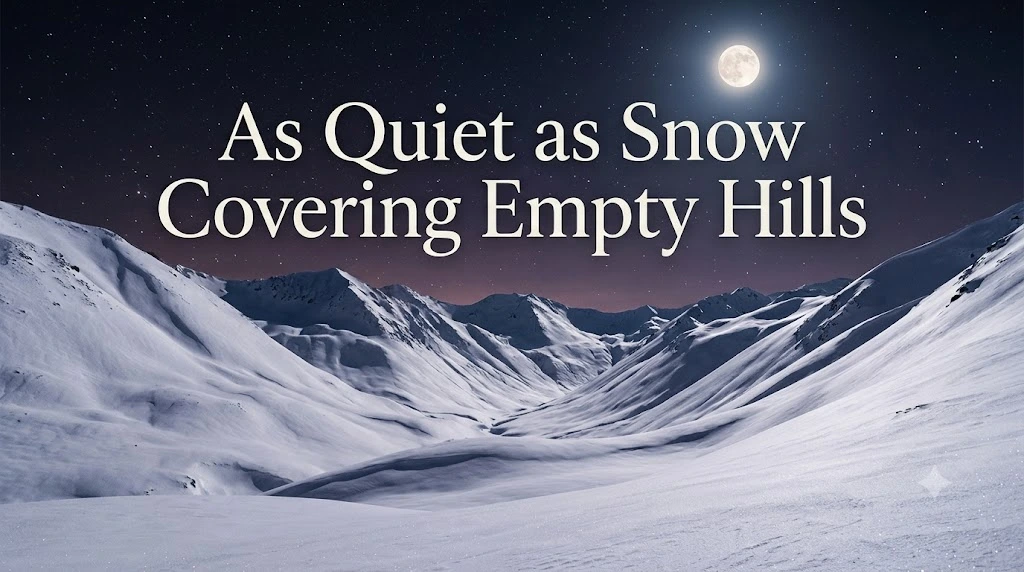
Meaning
This comparison reflects peaceful but profound loneliness.
When to Use It
Ideal for calm, atmospheric descriptions.
Examples
- The village became as quiet as snow covering empty hills.
- His apartment felt as quiet as snow covering empty hills.
Like the Moon Behind Thick Clouds
Meaning
It symbolises hidden emotions and unseen loneliness.
When to Use It
Perfect for emotional fiction and romantic writing.
Examples
- She smiled like the moon behind thick clouds, hiding her sadness.
- His loneliness remained like the moon behind thick clouds.
As Still as a Desert at Midnight
Meaning
It conveys complete silence and emotional isolation.
When to Use It
Excellent for dramatic descriptions and literary writing.
Examples
- The room became as still as a desert at midnight.
- After everyone left, my thoughts were as still as a desert at midnight.
Like a Bird Searching for a Lost Flock
Meaning
This simile represents longing for belonging and companionship.
When to Use It
Works especially well in coming-of-age stories and emotional narratives.
Examples
- The child looked around like a bird searching for a lost flock.
- He walked through the airport like a bird searching for a lost flock.
How to Use Similes Effectively in Writing
Using powerful similes for loneliness can transform ordinary writing into something memorable and emotionally rich. Here are a few practical tips:
- Choose comparisons your readers can easily imagine.
- Use nature similes to connect emotions with familiar scenes.
- Avoid mixing too many similes in one paragraph.
- Match the simile to the tone of your story, poem, or essay.
- Keep comparisons fresh and original instead of relying on clichés.
- In songs and poems, use similes to strengthen rhythm and imagery.
- In academic or analytical writing, explain how similes in literature create meaning.
- Read your sentence aloud to ensure the comparison sounds natural.
Thoughtful figurative language examples make readers feel emotions instead of simply reading about them.
FAQs
What are the best powerful similes for loneliness?
Some effective examples include like a lone tree standing in an empty field, as lonely as a lighthouse in a storm, like a boat drifting without a shore, and like an echo in an empty valley. These comparisons create vivid emotional imagery.
What is the difference between a simile and a metaphor?
A simile compares two things using like or as, while a metaphor states that one thing is another without using comparison words.
Simile: He was as lonely as a lighthouse.
Metaphor: He was a lighthouse in the storm.
Why are similes useful in creative writing?
Similes help readers visualise emotions, settings, and characters. They make descriptions more engaging and memorable by creating vivid comparisons.
Can I use similes in academic writing?
Yes. Similes are appropriate in literary analysis, speeches, presentations, and creative assignments. However, they should be used sparingly in formal academic papers unless analysing literature or figurative language.
How do nature similes improve descriptions of loneliness?
Nature offers familiar images that readers instantly recognise. Comparing loneliness to forests, trees, deserts, stars, or the sea creates emotional depth while making abstract feelings easier to understand.
Conclusion
Using powerful similes for loneliness allows writers to express one of the deepest human emotions with clarity, beauty, and emotional impact. Whether you compare loneliness to a lone tree, a drifting boat, or a lighthouse in a storm, these vivid comparisons help readers connect with the experience on a personal level. Strong similes enrich poems, stories, essays, songs, and everyday conversations by turning ordinary descriptions into memorable imagery. They also strengthen figurative language, making your writing more engaging and expressive. By practising original nature similes, studying similes in literature, and creating thoughtful comparisons, you can communicate emotions with greater precision and creativity. The more you use meaningful similes, the more powerful, relatable, and unforgettable your writing will become.