
School is more than just a building where students learn lessons and take tests. It is a place filled with friendships, challenges, discoveries, and unforgettable memories. One of the best ways to describe these experiences is through similes, which make writing more colourful and engaging. Similes compare one thing to another using the words “like” or “as,” helping readers create clear mental images. They are an important part of figurative language examples because they make ideas easier to understand and remember.
Although this article focuses on similes for school, it is interesting to remember that trees are often used as powerful symbols of strength, growth, resilience, wisdom, and human emotion. Just as a tree grows stronger over time, students also grow through learning, practice, and perseverance. In this guide, you’ll discover original school-related similes, practical writing tips, and examples that will improve your creative and academic writing while naturally exploring similes in literature, nature similes, and meaningful comparisons.
What Is a Simile?
A simile is a figure of speech that compares two different things using the words like or as. It helps readers picture ideas more clearly and adds emotion and creativity to writing.
Example:
The classroom was as quiet as a library before the exam began.
This comparison instantly helps readers imagine the peaceful silence before a test.
As Busy as a Beehive
Meaning
This simile describes a school that is full of activity, movement, and energy.
Usage Insight
It works well when describing busy hallways, playgrounds, school events, or the first day of term.
Examples
- The school hallway was as busy as a beehive during lunch break.
- Our classroom became as busy as a beehive before the science fair.
Like a Tree Growing Taller Every Year
Meaning
This simile represents personal growth, learning, and steady improvement in school.
Usage Insight
Perfect for essays about education, personal development, and student achievements.
Examples
- Every lesson helped me grow like a tree growing taller every year.
- Her confidence developed like a tree reaching toward the sunlight.
As Bright as the Morning Sun
Meaning
Describes a clever student or an exciting classroom atmosphere.
Usage Insight
Ideal for highlighting intelligence, enthusiasm, or positive learning experiences.
Examples
- Emma was as bright as the morning sun during the maths competition.
- His ideas shone as bright as the morning sun in every discussion.
Like a Compass Pointing North
Meaning
School provides direction and guidance for life.
Usage Insight
Works well in motivational essays and graduation speeches.
Examples
- My teachers guided me like a compass pointing north.
- Education leads us like a compass finding the right path.
As Strong as an Oak Tree
Meaning
Represents resilience, determination, and emotional strength.
Usage Insight
Excellent for describing students who overcome challenges.
Examples
- She remained as strong as an oak tree after failing her first exam.
- Our class stood together as strong as an oak tree during difficult times.
Like a River Flowing Forward
Meaning
Learning never stops and always moves ahead.
Usage Insight
Useful when discussing lifelong learning and progress.
Examples
- Knowledge flows like a river flowing forward.
- School teaches us to move ahead like a river finding its way.
As Curious as a Young Explorer

Meaning
Describes students eager to discover new ideas.
Usage Insight
Perfect for creative writing about science, reading, or discovery.
Examples
- The children were as curious as young explorers during the museum visit.
- She asked questions as curious as a young explorer discovering hidden treasures.
Like a Puzzle Coming Together
Meaning
Learning gradually makes sense over time.
Usage Insight
Ideal for explaining difficult subjects becoming easier.
Examples
- The maths lesson felt like a puzzle coming together.
- My understanding grew like puzzle pieces fitting perfectly.
As Calm as a Quiet Forest
Meaning
Describes a peaceful classroom or focused learning environment.
Usage Insight
Works especially well in descriptive writing.
Examples
- The reading room became as calm as a quiet forest.
- Everyone stayed as calm as a quiet forest during the exam.
Like a Bridge Connecting Dreams
Meaning
School connects present efforts with future success.
Usage Insight
Great for inspirational writing about education.
Examples
- Education is like a bridge connecting dreams to reality.
- Every assignment became like another plank on the bridge to success.
As Sharp as a New Pencil
Meaning
Represents quick thinking and intelligence.
Usage Insight
Excellent for describing academic ability.
Examples
- Jake was as sharp as a new pencil in today’s debate.
- Her answers were as sharp as a new pencil.
Like a Garden Full of Possibilities
Meaning
School is a place where talents grow.
Usage Insight
Perfect for essays about learning environments.
Examples
- Our school felt like a garden full of possibilities.
- Every student bloomed like a flower in a thriving garden.
As Steady as a Mountain
Meaning
Describes dependable teachers or determined students.
Usage Insight
Useful when highlighting consistency and perseverance.
Examples
- Our teacher remained as steady as a mountain through every challenge.
- His dedication stayed as steady as a mountain all year.
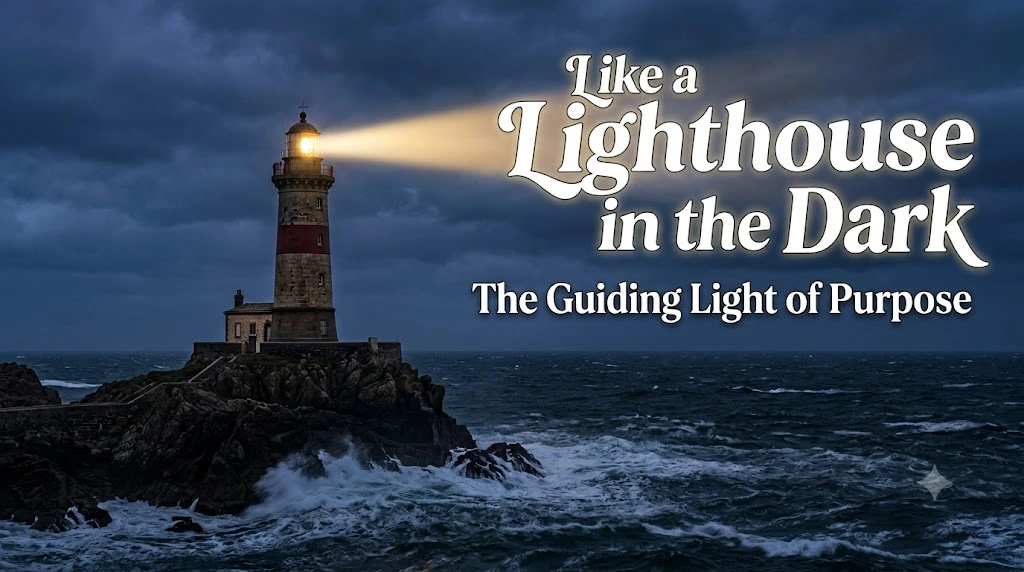
Like a Lighthouse in the Dark
Meaning
School provides guidance during uncertain times.
Usage Insight
Excellent for reflective essays and inspirational writing.
Examples
- My school became like a lighthouse in the dark during difficult years.
- Great teachers shine like a lighthouse guiding lost ships.
As Full of Ideas as the Night Sky Is Full of Stars
Meaning
Represents creativity, imagination, and endless learning.
Usage Insight
Ideal for storytelling, speeches, and creative essays.
Examples
- The art classroom was as full of ideas as the night sky is full of stars.
- Her notebook became as full of ideas as the night sky.
How to Use Similes Effectively in Writing
Using similes well can make your writing more engaging and memorable. Whether you’re writing poems, stories, essays, songs, or creative descriptions, the key is choosing comparisons that feel natural and meaningful.
Here are some helpful tips:
- Compare things that share a clear similarity.
- Avoid overused expressions whenever possible.
- Use nature similes to create vivid mental images.
- Match the simile to the mood of your writing.
- Keep your comparisons simple and easy to understand.
- Read your sentence aloud to check whether the simile sounds natural.
- Mix different figurative language examples to add variety.
- Study similes in literature to learn how professional writers create memorable imagery.
- Use similes sparingly so each one has a stronger impact.
- Revise your work to remove repetitive comparisons.
FAQs
What are similes for school?
Similes for school are creative comparisons that describe classrooms, teachers, students, learning, or school experiences using the words like or as.
What is the difference between a simile and a metaphor?
A simile compares two things using like or as, while a metaphor makes a direct comparison without those words.
Why are similes useful in school writing?
They make essays, stories, and descriptive paragraphs more interesting by helping readers imagine ideas clearly and connect with emotions.
Can similes be used in academic writing?
Yes. While formal academic writing should use similes carefully, they can strengthen introductions, presentations, reflective essays, and creative assignments when used appropriately.
Where can students find good examples of similes?
Students can learn from books, poems, famous speeches, and similes in literature, while also creating their own original comparisons inspired by everyday life and nature.
Conclusion
Learning and using similes for school is an excellent way to make your writing more expressive, imaginative, and memorable. Whether you are describing a busy classroom, a dedicated teacher, or your own educational journey, thoughtful similes create vivid pictures that help readers connect with your ideas. They enrich both creative and academic writing by adding clarity, emotion, and depth through meaningful comparisons. By exploring original similes, studying figurative language examples, and learning from similes in literature, you can develop a stronger writing style that captures attention and communicates ideas with confidence. Keep practising, experiment with fresh comparisons, and let your words grow as steadily as a strong tree—rooted in knowledge and reaching towards endless possibilities.