
Life is full of experiences that can be difficult to describe with ordinary words. That is where similes become powerful tools for writers, students, and storytellers. A good simile creates vivid mental images that help readers connect with emotions and ideas. They are an essential part of figurative language because they make writing more expressive, memorable, and engaging. Many of the best similes in literature draw inspiration from nature because it reflects the beauty and complexity of human life.
Trees, in particular, are powerful symbols of strength, growth, resilience, wisdom, and human emotion, making them perfect sources of meaningful comparisons. Whether you are writing a poem, story, essay, or speech, using powerful similes for life can make your words more impactful. This guide explores creative figurative language examples, thoughtful comparisons, and nature-inspired similes that capture life’s many journeys.
What Is a Simile?
A simile is a figure of speech that compares two different things using the words “like” or “as.” Similes help readers picture ideas more clearly by connecting them with something familiar.
Example:
Life is like a winding river, always moving toward new horizons.
This comparison helps readers imagine life’s constant movement, unexpected turns, and continuous growth.
Life Is Like a Tree Standing Through Every Storm
Meaning
Life requires strength, patience, and resilience, just as a tree survives changing seasons and powerful storms.
When to Use It
This simile works well when writing about overcoming hardships, personal growth, or perseverance.
Examples
- She faced every challenge like a tree standing through every storm, refusing to give up.
- Life carried him through difficult years like a tree weathering endless winds.
Life Is Like a River Finding Its Way
Meaning
Life constantly moves forward, adapting to obstacles while continuing its journey.
When to Use It
Ideal for essays, motivational writing, and reflections about change and progress.
Examples
- My journey unfolded like a river finding its way around every rock.
- Life flows like a gentle river, always searching for a new path.
Life Is Like the Sunrise After a Long Night
Meaning
Even after hardship, hope and new beginnings eventually appear.
When to Use It
Perfect for inspirational writing and stories about recovery or fresh starts.
Examples
- Her confidence returned like the sunrise after a long night.
- Every setback ended like dawn replacing darkness.
Life Is Like Climbing a Mountain
Meaning
Success comes through steady effort, patience, and determination.
When to Use It
Excellent for motivational speeches, academic essays, and personal reflections.
Examples
- Building a career feels like climbing a mountain, one step at a time.
- Life often rewards those who climb like determined hikers reaching the summit.
Life Is Like a Garden in Every Season
Meaning
Life grows through care, patience, and continuous learning.
When to Use It
Useful when discussing relationships, education, or personal development.
Examples
- Dreams bloom like flowers in a carefully tended garden.
- A meaningful life grows like a thriving garden after gentle rain.
Life Is Like an Open Book Waiting to Be Written
Meaning
Everyone has the opportunity to shape their own future.
When to Use It
Works beautifully in graduation speeches, essays, and inspirational articles.
Examples
- Every new day begins like an open book waiting for fresh pages.
- His future stretched ahead like a blank chapter full of possibilities.
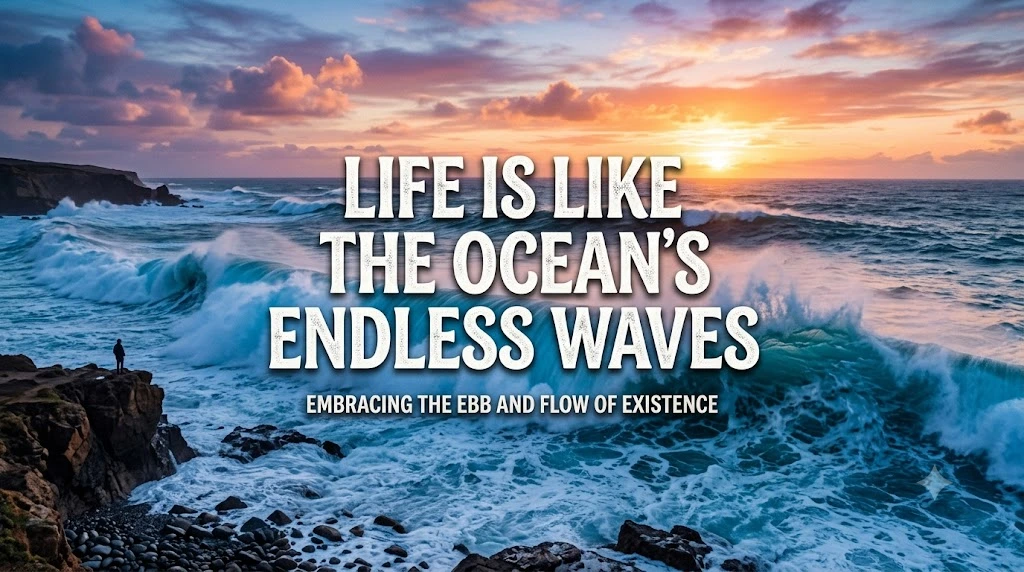
Life Is Like the Ocean’s Endless Waves
Meaning
Life has constant highs and lows that shape our experiences.
When to Use It
Perfect for emotional storytelling or reflective writing.
Examples
- Happiness and sadness arrive like the ocean’s endless waves.
- Life rises and falls like tides guided by the moon.
Life Is Like a Butterfly Leaving Its Cocoon
Meaning
Growth often requires change and courage.
When to Use It
Ideal for personal transformation and self-improvement topics.
Examples
- She embraced change like a butterfly leaving its cocoon.
- Confidence appeared like colourful wings opening for the first time.
Life Is Like a Compass Pointing North
Meaning
Purpose and values help guide life’s decisions.
When to Use It
Useful for leadership, personal growth, and motivational writing.
Examples
- Integrity guided him like a compass pointing north.
- Good values lead us like a trusted compass in unfamiliar places.
Life Is Like a Forest Filled with Hidden Paths
Meaning
Life contains uncertainty, surprises, and countless opportunities.
When to Use It
Great for adventure stories and reflective essays.
Examples
- Every decision felt like choosing a hidden forest path.
- Life unfolds like a forest full of unexpected discoveries.
Life Is Like a Candle Lighting the Darkness
Meaning
Even small acts of kindness can create hope.
When to Use It
Excellent for inspirational or emotional writing.
Examples
- Her encouragement shone like a candle lighting the darkness.
- One kind word can spread like candlelight across a quiet room.
Life Is Like the Changing Seasons
Meaning
Every stage of life has its own beauty and purpose.
When to Use It
Ideal for reflective essays and poetry.
Examples
- Childhood, adulthood, and old age pass like the changing seasons.
- Life transforms like autumn becoming spring once again.
Life Is Like a Bird Learning to Fly
Meaning
Growth requires courage, practice, and confidence.
When to Use It
Perfect for educational, motivational, and personal writing.
Examples
- Starting university felt like a bird learning to fly.
- Every success came like stronger wings after each attempt.
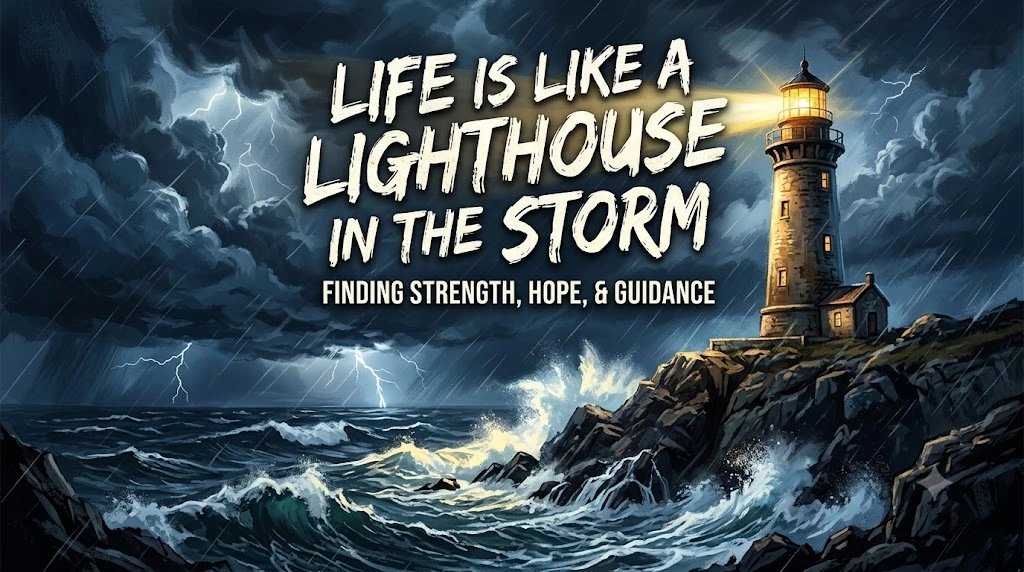
Life Is Like a Lighthouse in the Storm
Meaning
Hope and wisdom provide guidance during difficult times.
When to Use It
Useful in inspirational speeches and emotional storytelling.
Examples
- Her advice stood like a lighthouse in the storm.
- Faith remained like a bright beacon through heavy rain.
Life Is Like the Stars Lighting the Night Sky
Meaning
Even in darkness, beauty and hope continue to shine.
When to Use It
Perfect for poems, inspirational writing, and reflective passages.
Examples
- Small victories sparkle like stars lighting the night sky.
- Life reminds us to keep believing like stars that never stop shining.
How to Use Similes Effectively in Writing
Using similes thoughtfully can make your writing more memorable and emotionally engaging. Here are some practical tips:
- Choose familiar comparisons so readers immediately understand your meaning.
- Use nature similes to create timeless and vivid imagery.
- Avoid clichés by creating fresh and original comparisons.
- Match the mood of your simile with the emotion of your writing.
- Keep similes concise so they strengthen rather than distract from your message.
- Use similes in poems to create rhythm and emotional impact.
- Include them in stories to help readers visualise characters and settings.
- Add them to essays when explaining abstract ideas in a more engaging way.
- Use them in songs to create memorable lyrics and emotional resonance.
- Balance figurative language with clear writing for maximum readability.
FAQs
What are powerful similes for life?
Powerful similes for life compare life to meaningful objects or experiences, such as rivers, trees, mountains, gardens, or stars, helping readers understand emotions, growth, and life’s journey through vivid imagery.
What is the difference between a simile and a metaphor?
A simile compares two things using “like” or “as,” while a metaphor makes a direct comparison without those words. For example:
- Simile: Life is like a river.
- Metaphor: Life is a river.
Why are similes important in creative writing?
Similes create vivid mental images, add emotional depth, improve readability, and make stories, poems, and speeches more engaging.
Can similes be used in academic writing?
Yes. When used appropriately, similes can clarify complex ideas, make explanations easier to understand, and improve descriptive essays or presentations without reducing professionalism.
How can I create original similes for life?
Observe nature, everyday experiences, and human emotions. Then connect those observations with life’s challenges, joys, and growth using clear and meaningful comparisons.
Conclusion
Using powerful similes for life allows writers to transform ordinary ideas into vivid and memorable experiences. Whether you compare life to a resilient tree, a flowing river, a towering mountain, or the changing seasons, these thoughtful comparisons help readers see familiar experiences from fresh perspectives. By incorporating similes, nature similes, figurative language examples, and inspiration from similes in literature, you can add clarity, imagery, and emotional depth to poems, stories, essays, speeches, and everyday writing. The best similes do more than decorate language—they reveal truth, inspire reflection, and create lasting connections with readers. With practice and creativity, your comparisons will become more natural, meaningful, and powerful, bringing every piece of writing to life.