
Similes make writing more colourful by comparing one thing to another using the words “like” or “as.” They help readers picture emotions, actions, and experiences more clearly. Writers use similes to make ordinary descriptions feel fresh and memorable. They are an important part of figurative language because they create vivid mental images without making ideas confusing. Many famous authors include similes in literature to bring characters and settings to life.
Nature similes are especially popular because natural elements are familiar and full of meaning. Trees, for example, are powerful symbols of strength, growth, resilience, wisdom, and human emotion, making them perfect sources of creative comparisons. If you’ve ever heard the phrase “on a wing and a prayer,” understanding similes can help you appreciate similar expressions that inspire hope, courage, and determination.
What Is a Simile?
A simile is a figure of speech that compares two different things using “like” or “as.” It helps readers understand an idea by connecting it with something familiar.
Example:
She stood as strong as an ancient oak during the difficult times.
This comparison instantly creates a vivid picture of strength and resilience.
What Does “On a Wing and a Prayer” Mean?
The expression “on a wing and a prayer” describes a situation where someone succeeds—or hopes to succeed—with very little chance of success, relying mostly on hope, courage, or faith rather than certainty.
Although this phrase is an idiom rather than a simile, it inspires many beautiful similes that capture the same feeling of uncertainty, determination, and hope.
Like a Bird Riding the Last Gentle Breeze
Meaning: Someone moving forward with only hope and limited resources.
When to Use It: Ideal for describing brave attempts despite difficult circumstances.
Examples:
- She started her small business like a bird riding the last gentle breeze.
- The explorer continued like a bird riding the last gentle breeze across the mountains.
As Fragile as a Leaf in the Wind
Meaning: Extremely vulnerable but still holding on.
When to Use It: Great for emotional or dramatic writing.
Examples:
- Their plan felt as fragile as a leaf in the wind.
- His confidence remained as fragile as a leaf in the wind before the interview.
Like a Tiny Boat Crossing a Stormy Sea
Meaning: Facing enormous challenges with courage.
When to Use It: Perfect for stories about perseverance.
Examples:
- The rescue team travelled like a tiny boat crossing a stormy sea.
- She handled the crisis like a tiny boat crossing a stormy sea.
As Hopeful as the First Sunrise After Rain
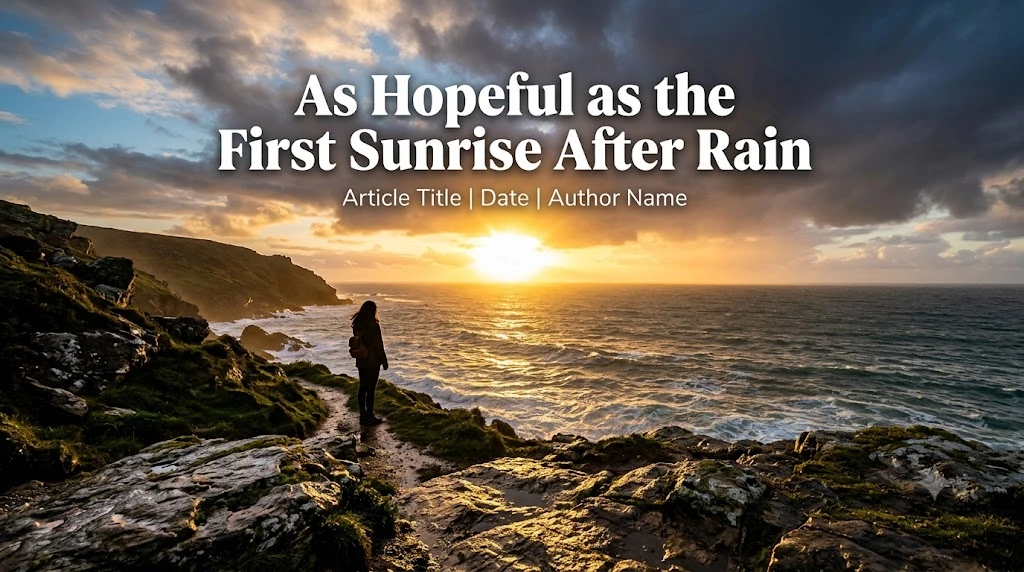
Meaning: Filled with renewed optimism.
When to Use It: Suitable for uplifting or inspirational writing.
Examples:
- They smiled as hopeful as the first sunrise after rain.
- His speech left everyone as hopeful as the first sunrise after rain.
Like a Seed Waiting for Spring
Meaning: Trusting that better days will come.
When to Use It: Excellent for themes of patience and growth.
Examples:
- She waited like a seed waiting for spring.
- Their dreams rested like a seed waiting for spring.
As Brave as a Sparrow Facing the Storm
Meaning: Showing courage despite being small or vulnerable.
When to Use It: Works well for personal achievements and inspirational writing.
Examples:
- The young athlete competed as brave as a sparrow facing the storm.
- He defended his beliefs as brave as a sparrow facing the storm.
Like a Candle Glowing in Darkness
Meaning: Offering hope during difficult times.
When to Use It: Ideal for emotional storytelling.
Examples:
- Her kindness shone like a candle glowing in darkness.
- Their friendship remained like a candle glowing in darkness.
As Determined as Roots Breaking Through Stone
Meaning: Refusing to give up despite obstacles.
When to Use It: Excellent in motivational essays.
Examples:
- She studied as determined as roots breaking through stone.
- The community rebuilt as determined as roots breaking through stone.
Like a Feather Floating Above the Waves
Meaning: Moving forward with grace despite uncertainty.
When to Use It: Perfect for reflective writing.
Examples:
- He accepted change like a feather floating above the waves.
- Their journey continued like a feather floating above the waves.
As Steady as an Old Oak in Winter
Meaning: Remaining calm and dependable during hardship.
When to Use It: Great for describing strong personalities.
Examples:
- My grandfather stood as steady as an old oak in winter.
- She remained as steady as an old oak in winter throughout the crisis.
Like a River Finding Its Way
Meaning: Persistently moving toward a goal.
When to Use It: Ideal for stories about determination.
Examples:
- He pursued his dream like a river finding its way.
- Their team adapted like a river finding its way around rocks.
As Bright as a Star Through the Clouds
Meaning: Hope shining despite difficulties.
When to Use It: Suitable for encouraging messages.
Examples:
- Her optimism stayed as bright as a star through the clouds.
- The future looked as bright as a star through the clouds.
Like a Butterfly Escaping the Cocoon
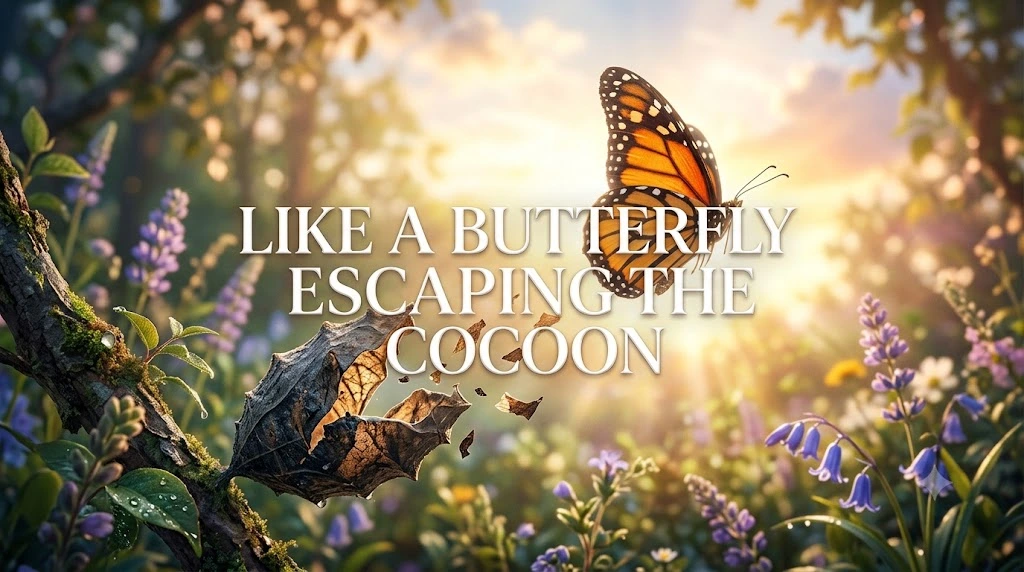
Meaning: Breaking free from limitations.
When to Use It: Excellent for personal transformation.
Examples:
- She gained confidence like a butterfly escaping the cocoon.
- The company evolved like a butterfly escaping the cocoon.
As Gentle as Morning Mist
Meaning: Calm, peaceful, and comforting.
When to Use It: Best for descriptive writing.
Examples:
- His voice was as gentle as morning mist.
- Her encouragement felt as gentle as morning mist.
Like the Moon Guiding Lost Travellers
Meaning: Providing hope and direction.
When to Use It: Effective in inspirational stories.
Examples:
- The teacher inspired students like the moon guiding lost travellers.
- Her advice arrived like the moon guiding lost travellers.
How to Use Similes Effectively in Writing
Well-crafted similes make writing more engaging and memorable. Here are some practical ways to use them effectively:
- Choose comparisons that your audience can easily understand.
- Use nature similes to create vivid imagery and emotional depth.
- Avoid overusing similes; one strong comparison often has more impact than several weak ones.
- Match the simile to the mood of your writing, whether hopeful, dramatic, joyful, or reflective.
- In poems, use similes to create rhythm and emotion.
- In stories, reveal a character’s personality through meaningful comparisons.
- In essays, use similes sparingly to explain complex ideas clearly.
- In songs, create memorable lyrics with fresh and emotional imagery.
- In creative descriptions, avoid clichés and invent original comparisons that surprise readers.
FAQs
Is “on a wing and a prayer” a simile?
No. “On a wing and a prayer” is an idiom, not a simile. It expresses relying on hope or faith when success seems uncertain.
What is the difference between a simile and a metaphor?
A simile compares two things using “like” or “as,” while a metaphor states that one thing is another without using comparison words.
Why are similes useful in creative writing?
Similes create vivid images, strengthen emotions, improve readability, and make descriptions easier to imagine.
Can similes be used in academic writing?
Yes. They should be used carefully to explain difficult ideas clearly without making formal writing overly poetic.
Why are nature similes so effective?
Nature provides familiar images that help readers quickly understand emotions, actions, and experiences while adding beauty and symbolism.
Conclusion
The phrase “on a wing and a prayer” reminds us that courage and hope often carry us through uncertain moments. While it is an idiom rather than a simile, it inspires powerful comparisons that enrich storytelling and everyday communication. Thoughtfully chosen similes add clarity, vivid imagery, and emotional depth, helping readers connect with ideas on a deeper level. Whether you are writing poems, stories, essays, speeches, or songs, creative comparisons can transform ordinary language into memorable expression. By exploring original similes, especially nature-inspired ones, you can make your writing more engaging, meaningful, and impactful. Keep experimenting with figurative language, and you’ll discover that the right comparison can give even the simplest sentence lasting power.