
Similes make everyday language more colorful by comparing one thing to another using the words “like” or “as.” They help readers picture emotions, personalities, and experiences more clearly, making writing more memorable. Whether you are writing a story, poem, speech, or school essay, similes bring your ideas to life with vivid comparisons. A well-crafted positive similes list can inspire writers to express kindness, hope, courage, and success in creative ways. Similes are an important part of figurative language because they turn simple descriptions into meaningful images that stay in the reader’s mind.
Nature often provides the best inspiration for similes, and trees are among the strongest symbols of strength, growth, resilience, wisdom, and human emotion. Just as a tree stands firm through every season, positive similes remind us that people can grow stronger through life’s challenges. In this guide, you’ll discover original positive similes, practical examples, and writing tips that will make your descriptions more engaging and expressive.
What Is a Simile?
A simile is a figure of speech that compares two different things using the words like or as. The purpose of a simile is to create a vivid picture that helps readers understand an idea, feeling, or object more easily.
Example:
“She was as cheerful as the morning sun.”
This comparison helps readers instantly imagine someone with a warm, joyful personality.
As Bright as the Morning Sun
Meaning
Describes someone who is cheerful, optimistic, and full of positive energy.
Usage Insight
This simile works well when introducing a happy character or describing an uplifting mood.
Examples
- Her smile was as bright as the morning sun, lifting everyone’s spirits.
- Even after a long journey, he remained as bright as the morning sun.
Like a Tree Standing Tall in Every Storm
Meaning
Represents strength, resilience, and determination during difficult times.
Usage Insight
Perfect for motivational writing, biographies, and stories about overcoming challenges.
Examples
- She faced every obstacle like a tree standing tall in every storm.
- My grandfather remained like a tree standing tall in every storm throughout his life.
As Gentle as a Spring Breeze
Meaning
Describes someone who is kind, calm, and comforting.
Usage Insight
Ideal for describing caring people or peaceful moments.
Examples
- Her voice was as gentle as a spring breeze.
- The teacher spoke as gentle as a spring breeze, making everyone feel welcome.
Like a Rainbow After Rain
Meaning
Represents hope, happiness, and new beginnings.
Usage Insight
Useful when describing recovery, success, or joyful moments after hardship.
Examples
- Winning the scholarship felt like a rainbow after rain.
- Her encouragement arrived like a rainbow after rain.
As Strong as an Ancient Oak
Meaning
Shows physical or emotional strength and stability.
Usage Insight
Excellent for stories about courage and perseverance.
Examples
- His determination was as strong as an ancient oak.
- She stood as strong as an ancient oak during the crisis.
Like a Flower Opening to the Sun
Meaning
Represents personal growth, confidence, and happiness.
Usage Insight
Works beautifully in inspirational and personal development writing.
Examples
- She blossomed like a flower opening to the sun.
- His confidence grew like a flower opening to the sun.
As Clear as a Mountain Stream

Meaning
Describes honesty, clarity, or pure intentions.
Usage Insight
Great for describing truthful communication or peaceful thoughts.
Examples
- Her explanation was as clear as a mountain stream.
- His intentions remained as clear as a mountain stream.
Like Stars Lighting the Night Sky
Meaning
Represents inspiration, encouragement, and guidance.
Usage Insight
Perfect for emotional writing and meaningful descriptions.
Examples
- Her words shone like stars lighting the night sky.
- Good friends are like stars lighting the night sky.
As Fresh as Morning Dew
Meaning
Describes freshness, energy, or new ideas.
Usage Insight
Ideal for creative writing and positive descriptions.
Examples
- His ideas were as fresh as morning dew.
- She arrived as fresh as morning dew after her vacation.
Like a River Flowing Smoothly
Meaning
Represents steady progress and peaceful movement.
Usage Insight
Useful for describing success achieved through patience.
Examples
- The project moved forward like a river flowing smoothly.
- Their conversation continued like a river flowing smoothly.
As Warm as a Cozy Fireplace
Meaning
Describes kindness, comfort, and emotional warmth.
Usage Insight
Perfect for family stories and heartfelt writing.
Examples
- Her welcome was as warm as a cozy fireplace.
- His smile felt as warm as a cozy fireplace.
Like Birds Singing at Sunrise
Meaning
Represents joy, excitement, and celebration.
Usage Insight
Works well for happy occasions and uplifting scenes.
Examples
- The children laughed like birds singing at sunrise.
- Everyone celebrated like birds singing at sunrise.
As Calm as a Quiet Lake
Meaning
Describes emotional balance and inner peace.
Usage Insight
Ideal for peaceful characters and reflective writing.
Examples
- She remained as calm as a quiet lake.
- His confidence kept him as calm as a quiet lake.
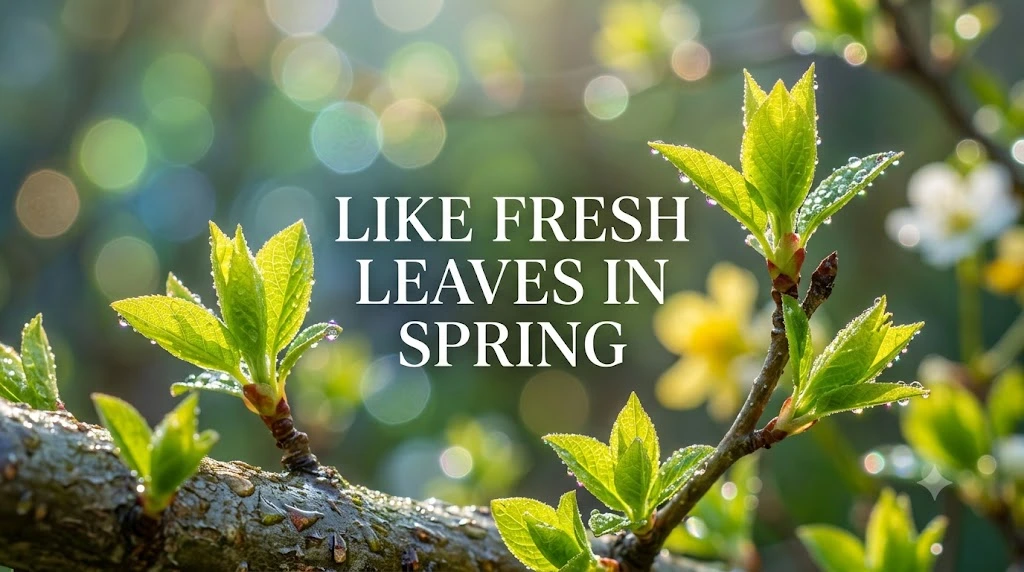
Like Fresh Leaves in Spring
Meaning
Represents renewal, hope, and fresh opportunities.
Usage Insight
Excellent for writing about new chapters in life.
Examples
- Their friendship grew like fresh leaves in spring.
- New opportunities appeared like fresh leaves in spring.
As Valuable as Pure Gold
Meaning
Describes something precious, trustworthy, or highly respected.
Usage Insight
Works well for relationships, wisdom, and personal qualities.
Examples
- Her advice was as valuable as pure gold.
- Honest friends are as valuable as pure gold.
How to Use Similes Effectively in Writing
Using a positive similes list can make your writing more expressive and memorable, but the key is choosing comparisons that fit naturally within the context.
- Choose similes that match the mood of your story or poem.
- Use nature similes to create vivid and relatable imagery.
- Avoid overusing similes; one or two strong comparisons often have more impact.
- Make your comparisons original instead of relying only on common expressions.
- Use similes in essays to explain ideas clearly and make arguments more engaging.
- Add similes to songs and poetry to create rhythm and emotional depth.
- In creative descriptions, use similes to help readers visualize people, places, and emotions.
- Read examples of similes in literature to discover how skilled writers use figurative language effectively.
FAQs
What is a positive similes list?
A positive similes list is a collection of uplifting comparisons that describe people, emotions, qualities, or situations using the words like or as. These similes help create vivid, encouraging, and memorable descriptions.
What is the difference between a simile and a metaphor?
A simile compares two things using like or as, while a metaphor makes a direct comparison without those words.
Why are positive similes useful in creative writing?
Positive similes create strong imagery, express emotions clearly, and make stories, poems, and speeches more engaging for readers.
Can I use similes in academic writing?
Yes. Similes can be used carefully in essays, presentations, and educational writing to explain complex ideas in a simple and memorable way, though they should be appropriate for the audience and purpose.
What are some common nature similes?
Examples include as strong as an oak, as calm as a quiet lake, as bright as the morning sun, and like a rainbow after rain.
Conclusion
A thoughtful positive similes list gives writers the tools to express optimism, kindness, resilience, and hope through vivid comparisons. Whether you are crafting poems, stories, speeches, essays, or everyday conversations, positive similes make your language more engaging and emotionally meaningful. Nature-inspired comparisons, especially those involving trees, sunlight, rivers, flowers, and stars, create images that readers instantly understand and remember. By choosing similes that fit your message and using them naturally, you can add clarity, beauty, and emotional depth to every piece of writing. Keep exploring figurative language, experiment with fresh comparisons, and let your words paint pictures that inspire, encourage, and leave a lasting impression. A strong collection of positive similes will not only improve your writing but also help your ideas connect with readers in a powerful and unforgettable way.