
Sadness is one of the strongest emotions people experience, yet it can often be difficult to describe with ordinary words. That is where similes become incredibly helpful because they create vivid mental pictures that help readers and listeners understand emotions more deeply. Similes are an important part of figurative language because they compare two different things using the words “like” or “as.” These creative comparisons make poems, stories, speeches, and everyday conversations more expressive and memorable.
Nature has always inspired many beautiful similes, and trees are among the most meaningful symbols in literature. Trees represent strength, growth, resilience, wisdom, and the many emotions people experience throughout life, including joy, hope, and sadness. Just as a tree loses its leaves before blooming again, people also experience sorrow before finding healing and new beginnings. In this guide, you’ll discover original similes about sadness, learn their meanings, explore practical examples, and improve your creative writing with expressive figurative language.
What Is a Simile?
A simile is a figure of speech that compares two different things using the words “like” or “as” to create a clear and memorable image.
Example:
Her sadness spread like a dark cloud before a storm.
This comparison helps readers imagine how heavy and overwhelming the emotion feels without directly explaining it.
Like a Tree Standing Alone in Winter
Meaning
This simile describes someone who feels lonely, emotionally empty, or isolated after experiencing loss.
Usage Insight
It works especially well in emotional stories, reflective essays, and poems because winter trees naturally symbolize loneliness and quiet endurance.
Examples
- She stood by the window, like a tree standing alone in winter, waiting for happier days.
- His heart felt like a tree standing alone in winter, silent beneath the cold sky.
As Quiet as Rain Falling at Midnight
Meaning
Describes sadness that is calm, silent, and deeply personal rather than dramatic.
Usage Insight
Perfect for describing hidden emotions in novels, journal writing, or heartfelt conversations.
Examples
- Her grief became as quiet as rain falling at midnight.
- The room felt as quiet as rain falling at midnight after the goodbye.
Like a Candle Slowly Burning Out
Meaning
Represents emotional exhaustion and fading hope.
Usage Insight
Useful when writing about long-term sadness or emotional struggles.
Examples
- His smile disappeared like a candle slowly burning out.
- She felt like a candle slowly burning out after months of disappointment.
As Heavy as a Sky Full of Storm Clouds
Meaning
Shows overwhelming emotional pain that seems impossible to ignore.
Usage Insight
Excellent for dramatic scenes and descriptive storytelling.
Examples
- Her heart felt as heavy as a sky full of storm clouds.
- The silence became as heavy as a sky full of storm clouds.
Like Leaves Drifting Away in Autumn
Meaning
Represents letting go, loss, or memories slowly fading.
Usage Insight
A beautiful nature simile that fits reflective writing and literature.
Examples
- His dreams floated away like leaves drifting away in autumn.
- Their friendship disappeared like leaves drifting away in autumn.
As Cold as Forgotten Snow

Meaning
Describes emotional distance, loneliness, or abandoned feelings.
Usage Insight
Works well in both poetry and emotional fiction.
Examples
- Her goodbye sounded as cold as forgotten snow.
- His heart became as cold as forgotten snow.
Like an Empty Bird’s Nest
Meaning
Expresses the sadness of losing someone or something important.
Usage Insight
Ideal for themes involving family, growing up, or separation.
Examples
- The house felt like an empty bird’s nest after the children left.
- She looked around like an empty bird’s nest waiting for life to return.
As Silent as a Forgotten Forest
Meaning
Describes deep emotional emptiness and isolation.
Usage Insight
Perfect for literary descriptions and atmospheric storytelling.
Examples
- His thoughts became as silent as a forgotten forest.
- Their conversation ended as silent as a forgotten forest.
Like a River Losing Its Way
Meaning
Represents confusion, heartbreak, and emotional uncertainty.
Usage Insight
Useful in personal narratives and coming-of-age stories.
Examples
- After the breakup, she felt like a river losing its way.
- His future looked like a river losing its way.
As Pale as the Morning Mist
Meaning
Shows sadness mixed with weakness or emotional shock.
Usage Insight
A gentle comparison suitable for descriptive fiction.
Examples
- She looked as pale as the morning mist after hearing the news.
- His face became as pale as the morning mist.
Like a Broken Wing That Cannot Fly
Meaning
Represents emotional pain that limits confidence or hope.
Usage Insight
Excellent for motivational writing and emotional storytelling.
Examples
- He carried his grief like a broken wing that cannot fly.
- Her confidence felt like a broken wing that cannot fly.
As Empty as an Abandoned House
Meaning
Describes emotional loneliness and inner emptiness.
Usage Insight
Works particularly well in novels and reflective essays.
Examples
- His heart felt as empty as an abandoned house.
- She walked home as empty as an abandoned house inside.
Like the Last Flower After Autumn
Meaning
Represents fragile hope surrounded by sadness.
Usage Insight
Useful for emotional scenes where hope still remains.
Examples
- She smiled like the last flower after autumn.
- His courage stood like the last flower after autumn.
As Slow as Shadows at Sunset
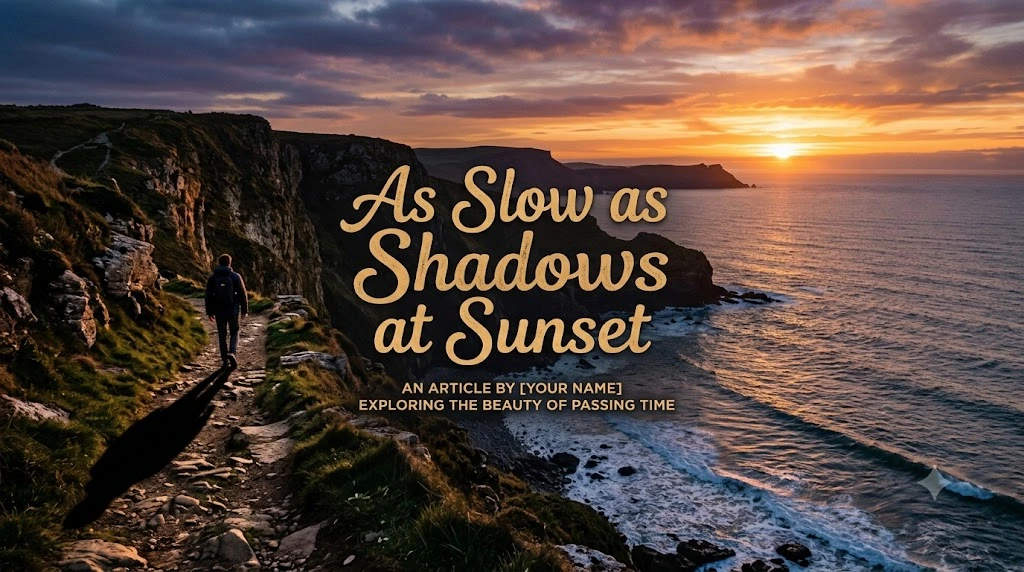
Meaning
Shows sadness that lingers and gradually grows stronger.
Usage Insight
Great for slow-paced emotional writing.
Examples
- The grief arrived as slow as shadows at sunset.
- Memories returned as slow as shadows at sunset.
Like an Echo Across Empty Mountains
Meaning
Describes sadness that continues long after the painful event.
Usage Insight
A powerful literary comparison for poems and emotional novels.
Examples
- Her sorrow lingered like an echo across empty mountains.
- His regret returned like an echo across empty mountains every evening.
How to Use Similes Effectively in Writing
Using similes about sadness can make your writing more emotional, memorable, and relatable. Whether you’re writing poetry, fiction, essays, songs, or personal reflections, thoughtful comparisons help readers connect with your message.
Here are a few practical tips:
- Choose comparisons that readers can easily imagine.
- Use nature similes to create peaceful yet emotional imagery.
- Avoid mixing too many similes in one paragraph.
- Match the simile with the mood of your writing.
- Keep comparisons original instead of relying on clichés.
- Read your sentences aloud to ensure they sound natural.
- Use similes to support emotions rather than replace clear storytelling.
- Combine similes with sensory details for stronger imagery.
Frequently Asked Questions
What are similes about sadness?
Similes about sadness are comparisons that describe sorrow, loneliness, grief, or emotional pain by using like or as. They help readers understand feelings through vivid imagery.
Example:
Her heart felt like a wilted flower.
What is the difference between a simile and a metaphor?
A simile compares two things using like or as, while a metaphor makes a direct comparison without those words.
Simile: He was as quiet as falling snow.
Metaphor: He was falling snow.
Why are similes useful in creative writing?
Similes make writing more expressive by creating memorable images. They help readers experience emotions instead of simply reading about them.
Can similes be used in academic writing?
Yes. While academic writing usually requires a formal tone, carefully chosen similes can make presentations, speeches, and explanatory essays more engaging when used appropriately.
How can I create original similes about sadness?
Observe emotions in everyday life and connect them with nature, weather, seasons, animals, or familiar objects. Original comparisons often feel more authentic and memorable than overused expressions.
Conclusion
Learning and using similes about sadness allows writers to express emotions with greater clarity, beauty, and emotional impact. Rather than simply saying someone is sad, a thoughtful comparison paints a picture that readers can instantly understand and feel. Whether inspired by quiet forests, lonely trees, drifting leaves, or distant mountains, these figurative language examples bring depth and realism to poems, stories, essays, songs, and personal reflections. As you continue exploring similes, experiment with your own comparisons drawn from everyday life and the natural world. The more original your imagery becomes, the more powerful your writing will be. With practice, similes about sadness can transform simple descriptions into unforgettable moments that resonate with readers, making your words richer, more vivid, and emotionally meaningful.