
Characters become unforgettable when readers can clearly imagine their personalities, emotions, and behavior. One of the easiest ways to make that happen is by using similes for character description. Similes compare one thing to another using the words like or as, helping writers create vivid mental images that readers instantly understand. They are an essential part of figurative language because they make descriptions more engaging, expressive, and memorable. Nature has always inspired some of the strongest comparisons, and trees are among the most meaningful symbols writers use.
A tree represents strength, steady growth, resilience through hardship, quiet wisdom, and deep human emotion, making it a perfect source of inspiration for creative comparisons. Whether you’re writing stories, poems, essays, or dialogue, well-crafted similes can reveal a character’s personality in just a few words. In this guide, you’ll discover original similes for character description, practical explanations, and examples that will help you write more naturally and creatively.
What Is a Simile?
A simile is a figure of speech that compares two different things using the words like or as. Similes help readers understand a person, object, or feeling by relating it to something familiar.
Example:
She was as steady as an ancient oak during every challenge.
This comparison immediately suggests that the person is dependable, calm, and strong without directly stating those qualities.
As Brave as a Mountain Facing the Storm
Meaning: Describes someone who remains courageous even during difficult situations.
When to Use It: This simile works well when writing heroes, leaders, or anyone who refuses to give up despite fear.
Examples:
- She stood as brave as a mountain facing the storm while everyone else ran away.
- The firefighter remained as brave as a mountain facing the storm throughout the rescue.
Like a River That Never Stops Flowing
Meaning: Represents a determined person who keeps moving forward despite obstacles.
When to Use It: Perfect for describing hardworking or ambitious characters in stories or biographies.
Examples:
- He pursued his dream like a river that never stops flowing.
- Maria continued learning like a river finding its path to the sea.
As Gentle as Morning Sunlight
Meaning: Shows kindness, warmth, and compassion.
When to Use It: Ideal for describing caring parents, teachers, friends, or supportive characters.
Examples:
- Her voice was as gentle as morning sunlight comforting every child.
- He greeted strangers as gently as morning sunlight touching fresh flowers.
Like an Oak Tree with Deep Roots
Meaning: Represents wisdom, stability, and reliability.
When to Use It: Excellent for mentors, grandparents, or respected community leaders.
Examples:
- My grandfather stood like an oak tree with deep roots through every family challenge.
- The captain remained like an oak tree with deep roots during the crisis.
As Curious as a Sparrow Exploring a New Garden
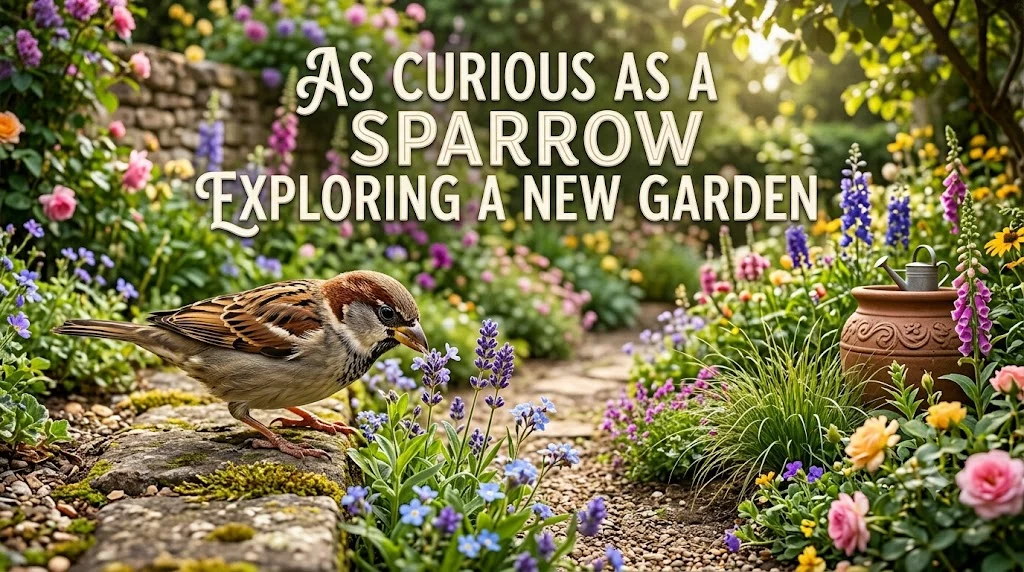
Meaning: Describes someone eager to learn and discover.
When to Use It: Great for children, students, scientists, or adventurous personalities.
Examples:
- Emma was as curious as a sparrow exploring a new garden.
- The young inventor examined every machine as curiously as a sparrow.
Like the Moon Lighting a Dark Night
Meaning: Represents someone who brings hope and comfort.
When to Use It: Useful when describing inspirational or encouraging characters.
Examples:
- Her smile was like the moon lighting a dark night after bad news.
- The coach became like the moon lighting a dark night for the discouraged team.
As Quiet as Fresh Snow at Dawn
Meaning: Suggests calmness, patience, or thoughtful silence.
When to Use It: Best for peaceful, reflective, or introverted characters.
Examples:
- He remained as quiet as fresh snow at dawn during the argument.
- The artist worked as quietly as fresh snow covering the hills.
Like a Lighthouse Guiding Lost Ships
Meaning: Describes someone who offers wisdom and direction.
When to Use It: Perfect for teachers, leaders, counselors, or trusted friends.
Examples:
- My teacher was like a lighthouse guiding lost ships.
- She became like a lighthouse guiding lost ships through difficult decisions.
As Bright as the First Star at Sunset
Meaning: Shows intelligence, optimism, or exceptional talent.
When to Use It: Ideal for gifted students, creative thinkers, or inspiring personalities.
Examples:
- His ideas were as bright as the first star at sunset.
- She answered every question as brightly as the first star appearing each evening.
Like a Wolf Protecting Its Pack
Meaning: Represents loyalty and fierce protection.
When to Use It: Excellent for family-centered or dependable characters.
Examples:
- He defended his friends like a wolf protecting its pack.
- The older sister cared for her siblings like a wolf protecting its pack.
As Flexible as a Willow in the Wind
Meaning: Describes adaptability and emotional resilience.
When to Use It: Useful for characters who adjust well to change.
Examples:
- She handled every challenge as flexibly as a willow in the wind.
- The entrepreneur adapted as easily as a willow bending without breaking.
Like Spring Rain Awakening Flowers
Meaning: Represents someone who inspires growth in others.
When to Use It: Perfect for mentors, coaches, or supportive friends.
Examples:
- His encouragement was like spring rain awakening flowers.
- The professor inspired confidence like spring rain awakening flowers after winter.
As Sharp as an Eagle’s Eyesight
Meaning: Describes someone who notices every important detail.
When to Use It: Ideal for detectives, investigators, editors, or observant individuals.
Examples:
- The detective was as sharp as an eagle’s eyesight.
- She spotted the mistake as quickly as an eagle seeing its prey.
Like a Candle Glowing Through Darkness

Meaning: Represents hope, positivity, and quiet strength.
When to Use It: Works well when describing optimistic people during difficult times.
Examples:
- His encouragement was like a candle glowing through darkness.
- She remained hopeful like a candle shining in an empty room.
As Steady as the Changing Seasons
Meaning: Suggests consistency, maturity, and dependability.
When to Use It: Excellent for reliable friends, parents, or long-term companions.
Examples:
- She has always been as steady as the changing seasons.
- The manager remained as steady as the changing seasons during every project.
How to Use Similes Effectively in Writing
Using similes for character description can transform ordinary writing into something memorable. Keep your comparisons fresh and meaningful instead of relying on clichés. Match the simile to the personality of the character so the comparison feels natural. Nature similes often create stronger emotional connections because readers easily recognize images like trees, rivers, mountains, and stars. In essays, they can clarify ideas without making the writing overly complicated. In songs, similes create memorable lyrics that resonate with listeners. For creative descriptions, combine similes with sensory details so readers can see, hear, and feel the scene. Above all, use similes thoughtfully—one strong comparison is often more powerful than several weak ones.
Frequently Asked Questions
What are similes for character description?
Similes for character description are comparisons that use like or as to describe a person’s personality, behavior, emotions, or appearance in a vivid and memorable way.
What is the difference between a simile and a metaphor?
A simile compares two things using like or as, while a metaphor states that one thing is another without using those comparison words.
Why are similes important in creative writing?
Similes create strong mental images, improve emotional impact, and make characters easier for readers to understand and remember.
Can similes be used in academic writing?
Yes. While academic writing should remain formal, carefully chosen similes can clarify complex ideas when appropriate, especially in educational or explanatory contexts.
How do I create original similes?
Think about the main quality you want to describe, then compare it with something in nature, everyday life, or literature that shares the same characteristic. The best comparisons are fresh, specific, and easy to visualize.
Conclusion
Mastering similes for character description is one of the most effective ways to make your writing richer, clearer, and more engaging. Whether you’re creating a brave hero, a gentle friend, a wise mentor, or a determined leader, the right comparison helps readers instantly understand who that character is. Thoughtfully chosen similes add color, imagery, and emotional depth while making stories, poems, essays, and even everyday writing more memorable. Nature-inspired comparisons—especially those involving trees, rivers, mountains, and stars—offer timeless symbols of strength, resilience, growth, wisdom, and hope. As you continue developing your writing skills, experiment with fresh and original similes instead of relying on overused expressions. With practice, you’ll discover that a single well-crafted comparison can reveal more about a character than an entire paragraph of plain description. Use these examples as inspiration, adapt them to your own style, and let your characters come alive through the power of vivid, meaningful figurative language.