
Romance is one of the most powerful human emotions, and similes can help express it in beautiful and memorable ways. A simile is a form of figurative language that compares two different things using words such as “like” or “as.” These comparisons make abstract feelings easier to picture, helping readers connect emotionally with the words they read. In romantic writing, similes can turn simple feelings into vivid images of warmth, beauty, passion, and devotion. Nature similes are especially effective because flowers, stars, oceans, sunsets, and trees naturally reflect many aspects of love.
Trees are powerful symbols of strength, growth, resilience, wisdom, and human emotion, making them meaningful sources of romantic comparisons. A relationship can be compared to a growing tree because both can develop strong roots, survive difficult seasons, and become more beautiful with time. Whether you are writing a poem, story, song, essay, or heartfelt message, the right simile can give romance greater clarity, imagery, and emotional depth.
What Is a Simile?
A simile is a comparison between two different things that uses “like” or “as” to create a vivid picture or explain an emotion.
Example: “Her smile was like sunlight breaking through winter clouds.”
This comparison helps the reader imagine the warmth and happiness created by her smile. Similes are common in creative writing, poetry, songs, novels, and everyday descriptions because they make language more expressive.
1. Romance Is Like a Rose Blooming at Dawn
Meaning: This simile compares romance with a rose opening in the early morning, suggesting beauty, freshness, tenderness, and new beginnings.
Usage insight: Use this comparison when describing the early stages of love or a relationship that is becoming more meaningful.
Examples:
- Their romance unfolded like a rose blooming at dawn, quietly revealing its beauty.
- Her feelings for him opened like a rose touched by the first light of morning.
2. Love Is Like Roots Beneath an Ancient Tree
Meaning: This comparison presents love as something deeply rooted, stable, and capable of lasting through difficult times.
Usage insight: It works especially well when writing about commitment, loyalty, or relationships that have grown stronger over time.
Examples:
- Their love was like roots beneath an ancient tree, hidden but remarkably strong.
- Years of trust held their relationship together like roots anchoring a towering tree.
3. His Affection Was Like a Warm Summer Breeze
Meaning: This simile suggests affection that feels gentle, comforting, refreshing, and pleasant.
Usage insight: Use it for soft romantic moments rather than intense or dramatic passion.
Examples:
- His affection was like a warm summer breeze drifting through an open window.
- Being near him felt like a summer breeze brushing gently across her face.
4. Her Love Was Like the Moon Over a Quiet Ocean
Meaning: This comparison connects love with calmness, beauty, mystery, and peaceful companionship.
Usage insight: It is effective in romantic poetry and reflective writing where you want to create a peaceful atmosphere.
Examples:
- Her love was like the moon over a quiet ocean, peaceful yet impossible to ignore.
- His presence beside her felt like moonlight resting softly on still water.
5. Their Hearts Beat Like Waves Against the Shore
Meaning: This simile suggests powerful emotions, excitement, and a rhythm that continues naturally.
Usage insight: Use it when describing emotional intensity or the feeling of two people being deeply drawn to each other.
Examples:
- Their hearts beat like waves against the shore as they stood together beneath the stars.
- Excitement moved through them like waves repeatedly reaching the sand.
6. Her Smile Was Like Sunrise After a Long Night

Meaning: This comparison suggests that someone’s smile brings hope, happiness, and emotional relief.
Usage insight: It works well when describing a person whose presence changes a difficult situation into something brighter.
Examples:
- Her smile was like sunrise after a long night, bringing warmth back into his world.
- One glance at her felt like watching the first light appear after darkness.
7. Their Romance Grew Like a Vine Around an Old Garden Wall
Meaning: This simile presents romance as something that develops gradually and becomes stronger as it grows.
Usage insight: Use it when describing a relationship that has developed naturally over time.
Examples:
- Their romance grew like a vine around an old garden wall, slowly becoming impossible to separate.
- Trust wrapped around their relationship like a flowering vine climbing toward the sunlight.
8. His Voice Was Like Rain on a Summer Roof
Meaning: This comparison suggests a voice that is soothing, familiar, peaceful, or emotionally comforting.
Usage insight: It is useful for romantic descriptions involving someone’s voice, especially in intimate or quiet scenes.
Examples:
- His voice was like rain on a summer roof, soft enough to make her forget the world outside.
- She listened to him speak, finding comfort in his words like rain against a familiar window.
9. Their Connection Was Like Two Rivers Meeting
Meaning: This simile represents two individual lives coming together and creating something larger than either one alone.
Usage insight: Use it when discussing emotional compatibility, partnership, or the beginning of a serious relationship.
Examples:
- Their connection was like two rivers meeting, each carrying a different story into the same future.
- Somehow, their separate lives flowed together like rivers joining beneath an open sky.
10. Her Eyes Shone Like Stars in a Winter Sky
Meaning: This comparison emphasizes beauty, brightness, wonder, and emotional attraction.
Usage insight: It is particularly effective in poetry and romantic character descriptions.
Examples:
- Her eyes shone like stars in a winter sky when she saw him across the room.
- His memories of her eyes remained bright like distant stars on a clear night.
11. Their Love Was Like a Lantern in the Dark
Meaning: This simile presents love as a source of hope, guidance, security, and comfort during difficult moments.
Usage insight: Use it when writing about couples who support one another through challenges.
Examples:
- Their love was like a lantern in the dark, giving them courage when everything else felt uncertain.
- Through every difficult season, her kindness remained like a small lantern guiding him forward.
12. Romance Felt Like Walking Through a Field of Wildflowers
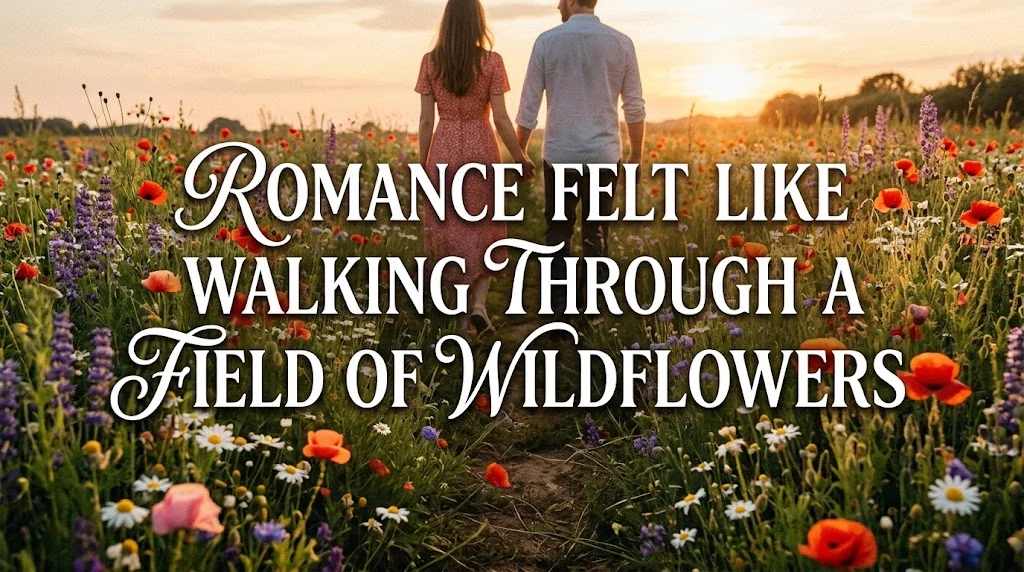
Meaning: This comparison suggests freedom, beauty, discovery, joy, and unexpected moments of happiness.
Usage insight: It works well for describing the excitement and wonder of falling in love.
Examples:
- Falling for her felt like walking through a field of wildflowers, with beauty appearing at every step.
- Their first dates were like wandering through wildflowers, full of color and unexpected delight.
13. His Devotion Was as Steady as a Mountain
Meaning: This simile emphasizes reliability, strength, stability, and lasting commitment.
Usage insight: Use it to describe dependable love rather than temporary attraction.
Examples:
- His devotion was as steady as a mountain, unmoved by the storms around them.
- She trusted him because his love stood as firmly as a mountain beneath the changing sky.
14. Their Memories Were Like Seashells Along the Shore
Meaning: This comparison suggests that romantic memories are precious pieces of the past that remain meaningful long after the moment has passed.
Usage insight: It works especially well in nostalgic writing about relationships, distance, or treasured moments.
Examples:
- Their memories were like seashells along the shore, each one holding a story from their shared past.
- She collected their happiest moments like seashells, keeping each one close to her heart.
15. Love Was Like a Tree Growing Through Every Season
Meaning: This simile compares lasting love with a tree that survives spring, summer, autumn, and winter, representing growth, resilience, change, and endurance.
Usage insight: It is ideal for writing about mature relationships that have survived challenges and continued to grow.
Examples:
- Their love was like a tree growing through every season, changing with time without losing its roots.
- Even during difficult years, their relationship remained like a strong tree standing through winter.
How to Use Similes Effectively in Writing
Similes become most powerful when they add meaning rather than simply decorating a sentence. A strong comparison should help readers see, feel, or understand the emotion being described.
Use Romantic Similes in Poems
Poetry benefits from vivid imagery and emotional language. Compare love with flowers, stars, oceans, seasons, moonlight, rain, or other natural images to create memorable pictures.
For example:
“Your love is like moonlight resting on a sleeping sea.”
The comparison creates a peaceful romantic image without explaining the emotion directly.
Use Similes in Romantic Stories
In fiction, similes can strengthen character descriptions and emotional scenes. Instead of repeatedly saying that a character is beautiful, nervous, happy, or deeply in love, use fresh comparisons that reveal those feelings indirectly.
Use Similes in Essays
Academic writing generally requires a more controlled use of figurative language. A carefully chosen comparison can clarify an abstract idea, but avoid using too many poetic expressions in formal analysis.
For example, describing a long-term relationship as “deeply rooted like an old tree” can help explain stability and emotional development when the comparison supports the main argument.
Use Similes in Songs
Songwriting often depends on memorable imagery. Short, emotionally strong similes can make lyrics easier to remember and give listeners a clear emotional picture.
Nature imagery works particularly well because listeners already understand the emotional associations of roses, stars, rain, oceans, sunlight, and trees.
Use Similes in Creative Descriptions
When writing romantic messages, novels, captions, or personal reflections, choose comparisons that match the exact emotion you want to express. Gentle comparisons are better for tenderness, while powerful natural images can communicate passion, devotion, or emotional intensity.
Avoid Overused Comparisons
Common phrases can be effective, but original comparisons often make writing more memorable. Instead of using the same comparisons repeatedly, explore less predictable images from nature, music, seasons, landscapes, architecture, and everyday life.
Keep the Comparison Clear
A good simile should be easy to understand. If the comparison requires a long explanation, it may distract readers from the emotion you are trying to communicate.
Match the Simile to the Mood
A romantic scene about comfort may need a peaceful image such as rain or moonlight. A passionate scene may benefit from imagery involving fire, storms, waves, or sunlight. Matching the comparison to the mood makes your figurative language feel natural.
FAQs About Similes for Romance
1. What are some good similes for romance?
Some effective similes for romance include “love is like a rose blooming at dawn,” “devotion is as steady as a mountain,” and “love is like roots beneath an ancient tree.” These comparisons communicate beauty, stability, growth, and emotional connection.
2. What is the difference between a simile and a metaphor?
A simile makes a comparison using words such as “like” or “as.” For example, “Her love was like sunlight.” A metaphor makes the comparison directly by saying, “Her love was sunlight.” Both forms of figurative language create imagery, but they structure comparisons differently.
3. Can similes for romance be used in academic writing?
Yes, but they should be used carefully. Academic writing usually favors clarity and evidence, so a romantic simile should support an explanation rather than replace factual reasoning or analysis.
4. Why are nature similes effective for romantic writing?
Nature provides familiar images that naturally communicate emotions. Flowers can suggest beauty, trees can represent strength and growth, oceans can suggest depth, and stars can symbolize wonder or lasting affection.
5. How can I create original romantic similes?
Start with the emotion you want to express, then find something in nature or everyday life that shares a similar quality. For example, if you want to express lasting love, think about something strong and enduring, such as an ancient tree, a mountain, or a river that continues flowing.
Conclusion
Similes for romance give writers a powerful way to transform ordinary descriptions of love into vivid and memorable language. A simple comparison can make affection feel warm like sunlight, devotion feel steady like a mountain, and a growing relationship feel deeply rooted like an ancient tree. These figurative language examples help readers experience emotions rather than simply being told about them. Nature similes are especially effective because the natural world provides endless images for beauty, growth, resilience, passion, mystery, and connection. Whether you are writing poems, stories, songs, essays, or personal messages, thoughtful comparisons can add clarity, imagery, and emotional depth to your words. The strongest similes do more than make writing sound beautiful; they reveal something meaningful about the feeling being described. By choosing original comparisons and matching them carefully to your subject and tone, you can make romantic writing feel more natural and powerful. Let your comparisons grow like strong trees, rooted in meaning and reaching toward imagination.