
Desire is one of the strongest emotions people experience, and similes for desire can make that feeling easier to see, understand, and remember. A simile compares one thing with another using words such as “like” or “as” to create a vivid picture in the reader’s mind. Similes are important in figurative language because they turn abstract emotions into clear and relatable images. When writing about desire, a well-chosen comparison can show longing, passion, ambition, attraction, or an intense wish without simply naming the emotion.
Nature is especially useful for these comparisons because trees can represent strength, growth, resilience, wisdom, and the many emotions that shape human life. A tree reaching toward sunlight, for example, can beautifully represent a person reaching toward something they deeply want. These nature similes give emotional writing a natural sense of movement, depth, and imagery. Whether you are writing a poem, story, essay, song, or creative description, the right simile can make desire feel vivid and alive.
What Is a Simile?
A simile is a figure of speech that compares two different things using words such as “like” or “as.” Writers use similes to make ideas, emotions, people, and experiences easier to imagine.
Example: “Her desire burned like a candle refusing to go out.”
This comparison helps readers visualize desire as a persistent flame that continues even when everything around it becomes dark.
1. Her Desire Burned Like a Flame in the Night
Meaning: This simile presents desire as a strong inner feeling that continues to burn even during difficult or uncertain moments.
Usage insight: Use this comparison when writing about powerful longing, ambition, attraction, or a dream that refuses to disappear.
Examples:
- His desire to succeed burned like a flame in the night, giving him courage when everything seemed hopeless.
- Her desire for freedom burned like a flame in the night, brighter with every obstacle she faced.
2. His Longing Was Like a River Rushing Toward the Sea
Meaning: This simile compares desire with a river that naturally moves toward its destination, suggesting an irresistible need to reach something.
Usage insight: It works especially well when describing a person who feels drawn toward a goal, place, person, or dream.
Examples:
- His longing was like a river rushing toward the sea, impossible to turn away from its destination.
- Her desire to return home was like a river rushing toward the sea.
3. Her Desire Grew Like Roots Beneath the Earth
Meaning: This comparison shows desire developing quietly and becoming stronger over time.
Usage insight: Use it when the feeling is hidden at first but gradually becomes deeply established.
Examples:
- Her desire to become a writer grew like roots beneath the earth, unseen but remarkably strong.
- His feelings grew like roots beneath the earth until he could no longer ignore them.
4. His Ambition Rose Like a Tree Reaching for the Sun
Meaning: This simile connects desire with growth, hope, ambition, and the determination to reach something higher.
Usage insight: This is an effective nature simile for essays, motivational writing, and stories about personal growth.
Examples:
- His ambition rose like a tree reaching for the sun, stretching beyond every limitation.
- Her desire to learn rose like a tree reaching for the sun.
5. Her Desire Was as Fierce as a Storm at Sea
Meaning: This comparison presents desire as powerful, restless, and difficult to control.
Usage insight: Use it when you want to emphasize the overwhelming or turbulent side of longing.
Examples:
- Her desire to prove herself was as fierce as a storm at sea.
- His longing for adventure was as fierce as a storm at sea, refusing to let him settle.
6. His Hunger for Success Was Like a Spark in Dry Grass
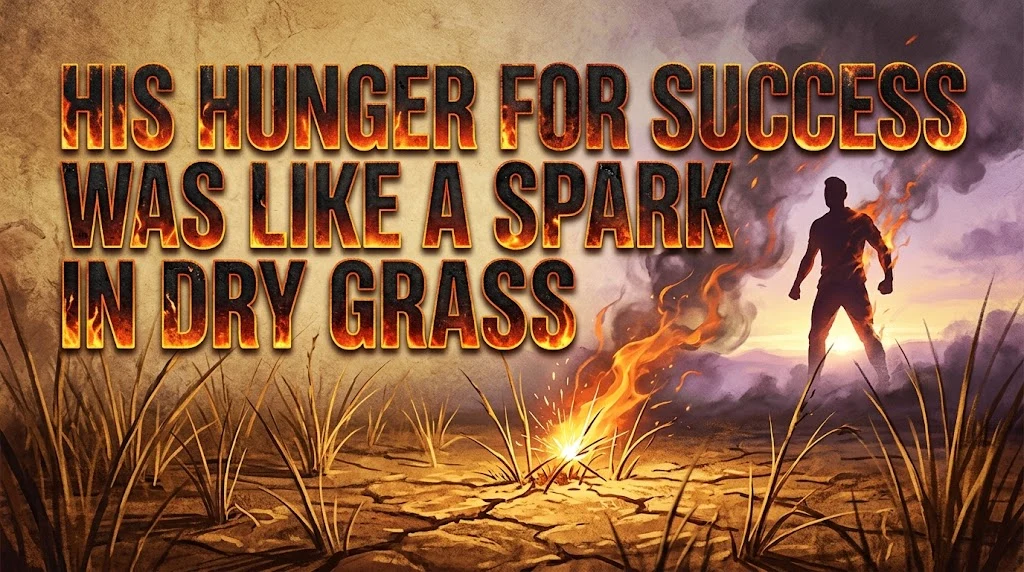
Meaning: This simile suggests that a small desire can quickly grow into something intense and unstoppable.
Usage insight: It works well when describing ambition that suddenly becomes powerful and motivates rapid action.
Examples:
- His hunger for success was like a spark in dry grass, spreading through every part of his life.
- A single opportunity ignited her ambition like a spark in dry grass.
7. Her Desire Moved Like Moonlight Across Still Water
Meaning: This comparison presents desire as gentle, subtle, beautiful, and quietly persistent.
Usage insight: Use this softer simile for romantic writing, poetry, emotional scenes, and reflective descriptions.
Examples:
- Her desire moved like moonlight across still water, quiet but impossible to overlook.
- His longing for her returned like moonlight across still water.
8. His Wish Was Like a Seed Waiting for Spring
Meaning: This simile shows a desire that is still developing and waiting for the right opportunity to become real.
Usage insight: It is especially useful for writing about hopes, dreams, plans, and ambitions that require patience.
Examples:
- His dream was like a seed waiting for spring, hidden beneath the surface but full of possibility.
- Her desire to travel remained like a seed waiting for spring.
9. Her Desire Pulled Like the Tide Against the Shore
Meaning: This comparison describes a powerful attraction that repeatedly draws someone toward what they want.
Usage insight: Use it for emotional or romantic longing when you want to show persistence and natural force.
Examples:
- Her desire pulled like the tide against the shore, returning no matter how hard she resisted.
- His longing for adventure pulled like the tide against the shore.
10. His Passion Was Like a Wildfire in the Forest
Meaning: This simile portrays desire as an intense emotion that spreads quickly and becomes difficult to contain.
Usage insight: It is ideal for dramatic stories, passionate poetry, and descriptions of powerful ambition or attraction.
Examples:
- His passion for music was like a wildfire in the forest, consuming every spare moment of his life.
- Her desire to change the world spread like a wildfire in the forest.
11. Her Longing Was as Deep as an Ancient Well
Meaning: This comparison suggests that desire is profound, hidden, and much deeper than it may appear on the surface.
Usage insight: Use it for serious emotional writing when you want to communicate the depth of a character’s feelings.
Examples:
- Her longing for home was as deep as an ancient well.
- His desire to understand the truth was as deep as an ancient well.
12. His Desire Was Like a Compass Pointing North
Meaning: This simile presents desire as an inner guide that continually directs someone toward a particular goal.
Usage insight: It works particularly well for writing about purpose, dreams, ambition, and personal direction.
Examples:
- His desire to help others was like a compass pointing north, always guiding his decisions.
- Her passion for discovery acted like a compass pointing north whenever she felt lost.
13. Her Desire Shone Like the First Star at Dusk
Meaning: This comparison describes desire as a small but noticeable source of hope that appears even when uncertainty surrounds it.
Usage insight: It is useful for gentle, inspirational, and poetic writing about dreams or emotional hope.
Examples:
- Her desire for a better future shone like the first star at dusk.
- His hope of finding happiness shone like the first star at dusk.
14. His Craving Was Like a Bird Searching for Open Skies
Meaning: This simile expresses a strong desire for freedom, discovery, independence, or escape.
Usage insight: It works beautifully in creative writing when a character wants to break away from restrictions or explore new possibilities.
Examples:
- His craving for freedom was like a bird searching for open skies.
- Her desire for adventure was like a bird searching for open skies.
15. Her Desire Was Like a Mountain Calling to a Climber

Meaning: This comparison portrays desire as a challenge or goal that continually attracts someone despite the difficulty involved.
Usage insight: Use this simile for ambition, achievement, personal challenges, and goals that require courage and persistence.
Examples:
- Her desire to succeed was like a mountain calling to a climber.
- His dream of reaching the summit was like a mountain calling to a climber, demanding patience and courage.
How to Use Similes Effectively in Writing
Using similes for desire effectively is not simply about adding comparisons to every sentence. The strongest figurative language supports the emotion, mood, and purpose of the writing.
Use Similes in Poems
Poetry gives similes room to create strong emotional images. A comparison such as “desire moved like moonlight across still water” can communicate tenderness without explaining the emotion directly.
Use Similes in Stories
In fiction, similes can reveal what a character feels without relying on simple statements such as “he wanted it badly.” A carefully selected comparison can show the intensity of a character’s desire while also developing the scene.
Use Similes in Essays
Academic and analytical writing should use figurative language carefully. A clear simile can make a complex idea easier to understand, especially in reflective, literary, cultural, or persuasive essays.
Use Similes in Songs
Songs often depend on memorable imagery. Comparisons involving fire, oceans, stars, storms, trees, and seasons can make emotional ideas more vivid and easier for listeners to remember.
Use Similes in Creative Descriptions
When describing people, places, emotions, or experiences, choose comparisons that match the atmosphere. A gentle desire may be compared to moonlight, while intense ambition may be compared to wildfire.
Choose Original Comparisons
Avoid using the same familiar comparisons repeatedly. Fresh nature similes can make your writing feel more personal and distinctive.
Match the Simile to the Emotion
Not every desire is passionate. Desire can be gentle, ambitious, romantic, restless, hopeful, or painful. Select a comparison that reflects the exact emotion you want readers to experience.
Keep the Meaning Clear
A creative comparison should still make sense. The reader should be able to understand the connection between the subject and the image without struggling to interpret it.
FAQs About Similes for Desire
What are some good similes for desire?
Some effective similes include “desire burned like a flame in the night,” “longing was like a river rushing toward the sea,” and “desire grew like roots beneath the earth.” These comparisons express intensity, persistence, growth, and emotional depth.
What is the difference between a simile and a metaphor?
A simile makes a comparison using words such as “like” or “as.” A metaphor makes a direct comparison without those words. For example, “Her desire was like a flame” is a simile, while “Her desire was a flame” is a metaphor.
Can similes for desire be used in creative writing?
Yes. Similes are especially effective in poems, stories, songs, novels, and personal writing because they transform abstract emotions into vivid images that readers can imagine.
Can similes be used in academic writing?
Yes, but they should be used thoughtfully. In academic writing, a clear and relevant simile can help explain an abstract concept, strengthen an argument, or make literary analysis more accessible.
Why are nature similes effective for describing desire?
Nature provides familiar images such as trees, rivers, flames, oceans, seeds, storms, stars, and tides. These images can represent growth, persistence, intensity, attraction, hope, and emotional movement, making abstract desire easier to visualize.
Conclusion
Similes for desire give writers a powerful way to express feelings that can be difficult to explain with ordinary words. A simple comparison can transform desire from an abstract emotion into a flame, river, seed, tide, star, or growing tree that readers can immediately picture. The best similes do more than decorate language; they add clarity, imagery, personality, and emotional depth to writing. Nature similes are especially powerful because the natural world offers endless examples of growth, movement, strength, persistence, and transformation. Whether you are describing romantic longing, personal ambition, a lifelong dream, or an intense need for change, the right comparison can make your words more memorable. Use these figurative language examples as inspiration, but always choose images that fit your subject and tone. With thoughtful comparisons, your writing can communicate desire in a way that feels vivid, natural, and deeply human.