
Understanding the difference between in the morning vs on the morning can make everyday English sound much more natural and precise. In most situations, in the morning is the standard expression used to talk about the general morning period. We usually use on the morning of when we are referring to a particular morning connected to a specific day or event. Learning this small grammar difference can also improve your creative writing, especially when you use similes, comparisons, and other forms of figurative language.
Similes make descriptions vivid by comparing one thing to another with words such as “like” or “as.” Nature similes are especially powerful because trees, rivers, sunlight, and changing seasons can represent strength, growth, resilience, wisdom, and human emotion. A tree standing firmly through every season, for example, can become a meaningful comparison for a person who remains strong during difficult times. By combining accurate grammar with expressive figurative language examples, writers can make their sentences both correct and memorable.
What Is a Simile?
A simile is a figure of speech that directly compares two different things, usually with “like” or “as.” Similes help readers visualize an idea and understand an emotion or quality more clearly.
Example: The morning sun was like a golden lantern lighting the quiet street.
The comparison helps the reader imagine the warmth and brightness of the sunrise.
In the Morning vs On the Morning: The Basic Difference
The easiest way to understand the difference is to remember that in the morning usually describes a general time of day, while on the morning of normally identifies a particular morning associated with a date, event, or occasion.
In the Morning
Use in the morning when talking about mornings generally or about something that happens during the morning.
Examples:
- I usually drink coffee in the morning.
- The birds sing loudly in the morning.
- We went for a walk in the morning.
On the Morning of
Use on the morning of when referring to a specific morning.
Examples:
- We left early on the morning of the wedding.
- She received the letter on the morning of June 5.
- The team gathered on the morning of the final match.
A useful rule is simple: general morning = in the morning; specific morning = on the morning of + event/date.
1. The Morning Was Like a Golden River
Meaning: This simile compares the morning to a golden river, suggesting sunlight flowing gently across the landscape.
Usage insight: It works especially well in descriptive writing, poetry, and nature-focused passages where you want to create a peaceful visual image.
Examples:
- The morning was like a golden river flowing through the valley.
- Sunlight moved across the fields like warm water.
2. The Trees Stood Like Silent Guardians
Meaning: This comparison presents trees as strong protectors watching over their surroundings.
Usage insight: Use this simile when writing about forests, courage, protection, or quiet strength.
Examples:
- The old trees stood like silent guardians around the village.
- Beneath the moonlight, the pines looked like watchful protectors.
3. The Morning Air Was as Fresh as Rain
Meaning: The simile suggests that early morning air feels clean, cool, and refreshing.
Usage insight: This is useful for sensory descriptions in stories, travel writing, poems, and nature essays.
Examples:
- The morning air was as fresh as rain after a long summer.
- She stepped outside and breathed air as clean as a mountain stream.
4. The Sunrise Was Like a Burning Jewel
Meaning: This comparison emphasizes the brilliant color and beauty of the rising sun.
Usage insight: It works best when describing dramatic sunrises or creating a vivid opening scene.
Examples:
- The sunrise appeared like a burning jewel above the hills.
- Across the horizon, the sun glowed like a ruby.
5. Her Hope Was Like a Young Tree
Meaning: A young tree represents growth, possibility, and resilience, making it a strong comparison for hope.
Usage insight: Use this simile when writing about personal growth, recovery, dreams, or new beginnings.
Examples:
- Her hope was like a young tree reaching toward the light.
- Even after failure, his confidence grew like a sapling after spring rain.
6. The Morning Was as Quiet as a Sleeping Forest
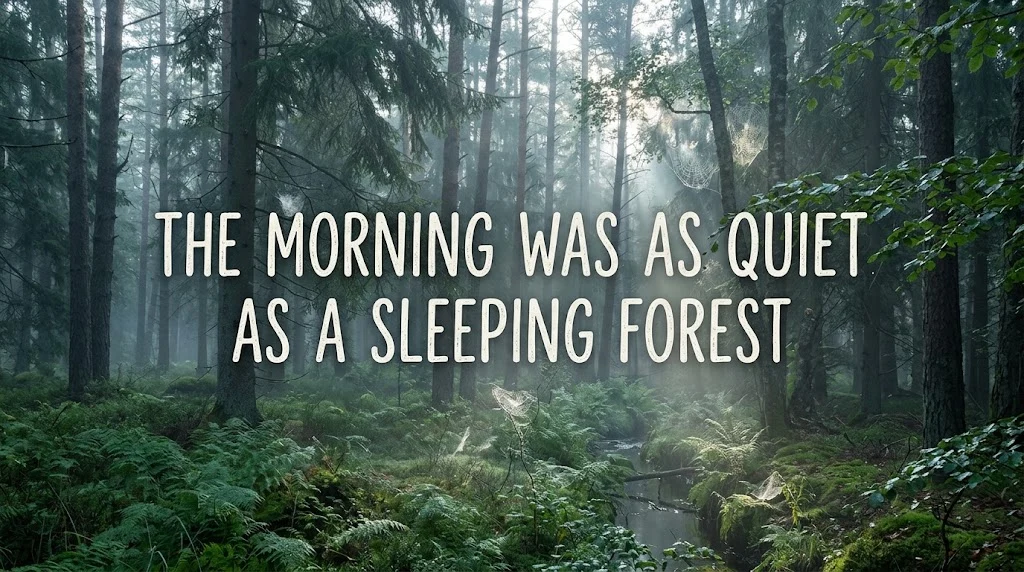
Meaning: This simile emphasizes deep peace and silence.
Usage insight: It is effective in reflective writing and scenes that take place before a busy day begins.
Examples:
- The village was as quiet as a sleeping forest in the early morning.
- Before sunrise, the entire neighborhood seemed as still as a sleeping woodland.
7. His Courage Was Like an Ancient Oak
Meaning: An ancient oak symbolizes strength, endurance, stability, and resilience.
Usage insight: This is a powerful comparison for describing a courageous person who remains strong under pressure.
Examples:
- His courage was like an ancient oak that had survived countless storms.
- She remained steady like an old oak despite every challenge.
8. The Sunlight Spread Like Honey
Meaning: This simile presents sunlight as warm, soft, and gently spreading across a surface.
Usage insight: It works well in creative descriptions because it combines visual imagery with a sense of warmth.
Examples:
- Morning sunlight spread like honey across the wooden floor.
- Golden light poured through the window like warm honey.
9. Her Smile Was Like Morning Light
Meaning: The comparison connects a person’s smile with brightness, comfort, and hope.
Usage insight: This simile is useful for emotional, romantic, and character descriptions.
Examples:
- Her smile was like morning light after a difficult night.
- His cheerful expression brightened the room like the first light of dawn.
10. The Leaves Moved Like Gentle Waves
Meaning: The movement of leaves is compared to waves moving across water.
Usage insight: This nature simile is especially effective when describing wind, forests, gardens, or peaceful outdoor scenes.
Examples:
- The leaves moved like gentle waves beneath the morning breeze.
- The trees swayed like green waves across the hillside.
11. His Wisdom Was Like Deep Roots
Meaning: Deep roots represent experience, stability, knowledge, and a strong foundation.
Usage insight: Use this comparison when describing mature characters, teachers, mentors, or people whose experience guides others.
Examples:
- His wisdom was like deep roots holding the family together.
- Years of experience gave her knowledge as deep as the roots of an ancient tree.
12. The Morning Clouds Were Like Soft Feathers
Meaning: This simile emphasizes the clouds’ light, delicate, and gentle appearance.
Usage insight: It works particularly well in peaceful descriptions of the sky.
Examples:
- The morning clouds floated like soft feathers above the rooftops.
- White clouds drifted across the blue sky like feathers carried by a quiet breeze.
13. Her Determination Was as Strong as a Mountain
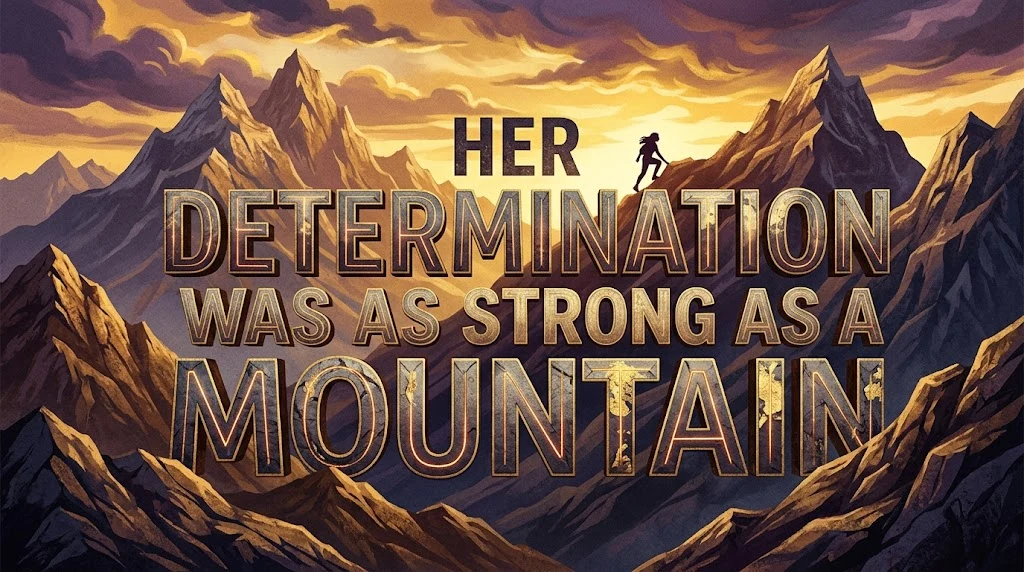
Meaning: A mountain represents stability, strength, and resistance to difficulty.
Usage insight: This simile is ideal for motivational writing and descriptions of determined characters.
Examples:
- Her determination was as strong as a mountain.
- He faced every setback with a spirit as steady as a mountain.
14. The Dawn Arrived Like a Gentle Whisper
Meaning: This comparison presents dawn as quiet, gradual, and peaceful.
Usage insight: It is especially suitable for poetry, stories, and atmospheric descriptions.
Examples:
- Dawn arrived like a gentle whisper over the sleeping town.
- The first light appeared like a whisper through the darkness.
15. Life Grew Like a Tree in Spring
Meaning: This simile connects life with the growth and renewal of a tree during spring.
Usage insight: It works well when writing about personal development, new opportunities, hope, and positive change.
Examples:
- After years of hardship, her confidence grew like a tree in spring.
- His new life unfolded like a young tree reaching toward the sun.
How to Use Similes Effectively in Writing
Similes can make ordinary sentences more vivid, but they work best when the comparison has a clear purpose. Whether you are writing a poem, story, essay, song, or creative description, choose comparisons that support the idea you want readers to understand.
In Poems
Poetry often depends on imagery and emotion. A simile such as “the dawn was like a quiet promise” can communicate hope without explaining the feeling directly.
In Stories
Use similes to strengthen settings and character descriptions. Instead of saying that a character is very brave, you could write, “Her courage was like an ancient oak.”
In Essays
Academic writing should use figurative language carefully. A well-chosen comparison can clarify an abstract concept, but factual explanations should remain direct and precise.
In Songs
Similes can make emotions memorable and relatable. Comparisons involving nature, seasons, light, water, and trees can give lyrics strong imagery.
In Creative Descriptions
Use sensory details to help readers see, hear, feel, smell, or imagine a scene. Nature similes are particularly useful because most readers already understand the qualities of sunlight, rain, trees, rivers, and mountains.
Choose the Correct Time Expression
When writing about morning, remember the grammar distinction:
- In the morning — for a general morning period.
- On the morning of the event — for a specific morning.
- On Monday morning — for a particular day.
- In the early morning — for a general part of the morning.
For example:
Correct: I exercise in the morning.
Correct: I exercised on the morning of the wedding.
This distinction is important because strong writing depends on both accurate grammar and effective imagery.
Frequently Asked Questions
Is “in the morning” or “on the morning” correct?
Both can be correct, but they are used differently. In the morning is used for a general morning period, while on the morning of is normally used for a particular morning connected to an event or date.
What is the difference between a simile and a metaphor?
A simile makes a comparison using words such as like or as. A metaphor makes a direct comparison without using those words. For example, “Her voice was like music” is a simile, while “Her voice was music” is a metaphor.
Can similes be used in academic writing?
Yes, but they should be used selectively. Similes can help explain complicated or abstract ideas, although academic writing generally prioritizes clarity, evidence, and precision.
Why are trees common in similes and figurative language?
Trees naturally represent qualities such as strength, growth, resilience, stability, wisdom, and renewal. Their changing appearance across seasons also makes them useful symbols for human experiences and emotions.
What are some examples of nature similes?
Examples include “strong as an ancient oak,” “bright like morning sunlight,” “quiet as a sleeping forest,” and “moving like waves in the wind.” These comparisons create vivid mental images and add emotional depth to descriptions.
Conclusion
Understanding in the morning vs on the morning is a small but valuable part of mastering natural English. Use in the morning when you mean the general time of day, and use on the morning of when referring to a particular event or date. At the same time, effective writing involves more than grammar because readers also respond to imagery, emotion, and memorable comparisons. Similes give writers a simple way to transform ordinary descriptions into vivid figurative language examples. Nature similes are especially powerful because images of trees, sunlight, mountains, rivers, and forests connect easily with familiar human experiences. In literature and creative writing, these comparisons can communicate strength, growth, resilience, wisdom, hope, and emotion in only a few words. When accurate grammar and thoughtful imagery work together, your writing becomes clearer, richer, and more engaging. Whether you are writing an essay, poem, story, song, or everyday sentence, choosing the right expression can make your language feel both natural and memorable.