
Some people, moments, and experiences have a special quality that makes them almost impossible to ignore. Similes for irresistible help writers capture that powerful attraction by comparing it to something vivid, familiar, and emotionally engaging. A simile is a type of figurative language that uses words such as “like” or “as” to create a meaningful comparison. These comparisons make ordinary descriptions more colorful, memorable, and expressive. Nature similes are especially effective because trees, flowers, oceans, stars, and sunlight can instantly create strong mental pictures.
Trees, in particular, are powerful symbols of strength, growth, resilience, wisdom, and human emotion. When a writer compares an irresistible person or feeling to something beautiful in nature, the description can feel deeper and more alive. Whether you are writing a poem, story, essay, song, or personal description, the right simile can transform a simple idea into an unforgettable image.
What Is a Simile?
A simile is a figure of speech that directly compares two different things using words such as “like” or “as.” It helps readers understand an idea by connecting it with an image or experience they already recognize.
Example: Her smile was like sunlight breaking through a cloudy sky.
This comparison does more than say that her smile was beautiful; it suggests warmth, brightness, hope, and emotional power.
1. As Irresistible as a Moonlit Ocean
Meaning: This simile describes something irresistibly beautiful, mysterious, and captivating.
Usage Insight: It works especially well for romantic writing, poetry, and descriptions where attraction has a sense of mystery.
Examples:
- Her presence was as irresistible as a moonlit ocean shimmering beneath the stars.
- The quiet beauty of the evening was as irresistible as waves glowing under silver light.
2. Like a Flame That Draws Every Moth
Meaning: This comparison suggests an attraction so powerful that people naturally move toward it.
Usage Insight: Use it when you want to emphasize magnetic attraction or undeniable fascination.
Examples:
- His confidence was like a flame that drew every moth toward its warmth.
- The performer stood beneath the spotlight like a flame that commanded every eye in the room.
3. As Irresistible as Fresh Bread from the Oven
Meaning: This simile describes something comforting, inviting, and difficult to resist.
Usage Insight: It is ideal for food writing, cozy descriptions, and warm everyday scenes.
Examples:
- The aroma from the bakery was as irresistible as fresh bread from the oven.
- Her homemade cinnamon rolls were as irresistible as warm bread on a cold morning.
4. Like Sunshine After a Long Winter
Meaning: This simile suggests a welcome presence that brings happiness, warmth, and relief.
Usage Insight: It works beautifully when describing a person, experience, or opportunity that feels especially precious after hardship.
Examples:
- Her laughter was like sunshine after a long winter.
- Seeing his old friend again felt like sunshine after a long winter of loneliness.
5. As Irresistible as a Secret Waiting to Be Discovered
Meaning: This comparison presents something as mysterious and fascinating.
Usage Insight: Use it in creative descriptions when curiosity is an important part of the attraction.
Examples:
- Her mysterious smile was as irresistible as a secret waiting to be discovered.
- The abandoned house looked as irresistible as a secret waiting behind an unlocked door.
6. Like a River Pulling Toward the Sea
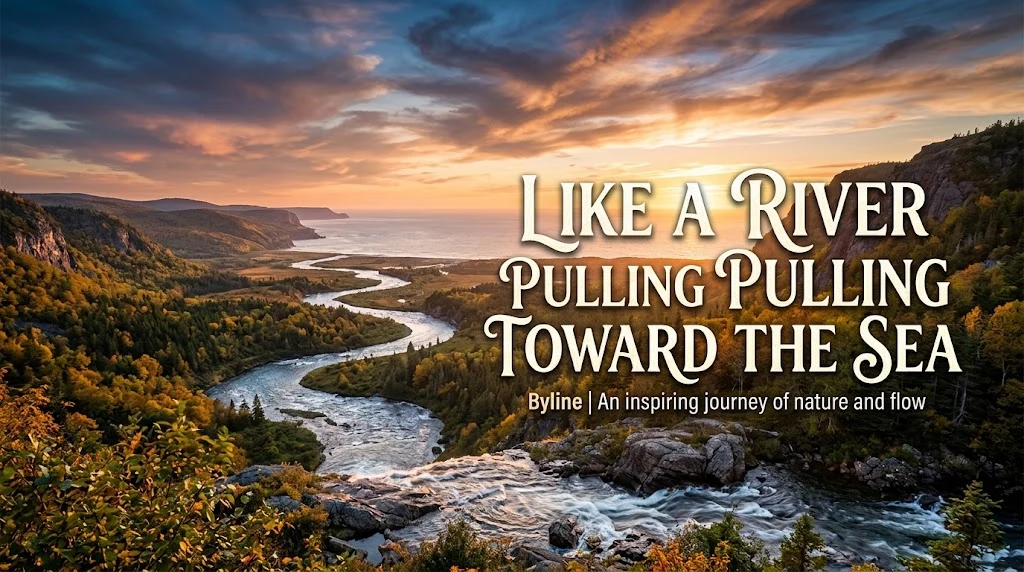
Meaning: This simile suggests a natural and powerful attraction that feels impossible to escape.
Usage Insight: It is particularly effective for romantic feelings, emotional connections, and descriptions of destiny.
Examples:
- His heart moved toward her like a river pulling toward the sea.
- Their friendship grew into something deeper, like a river naturally finding its way to the ocean.
7. As Irresistible as Roses in Full Bloom
Meaning: This comparison suggests beauty, freshness, charm, and natural appeal.
Usage Insight: It works well for describing people, gardens, romantic moments, and graceful appearances.
Examples:
- Her smile was as irresistible as roses in full bloom.
- The garden looked as irresistible as roses opening beneath the morning sun.
8. Like a Song You Cannot Stop Humming
Meaning: This simile describes something that stays in your mind and repeatedly attracts your attention.
Usage Insight: Use it for memorable people, ideas, songs, experiences, or emotions.
Examples:
- Her voice was like a song you cannot stop humming.
- That unforgettable melody lingered in my thoughts like a song I could not stop humming.
9. As Irresistible as Starlight on Still Water
Meaning: This comparison suggests quiet beauty, elegance, and peaceful attraction.
Usage Insight: It is excellent for poetic descriptions and scenes that require a soft, dreamy atmosphere.
Examples:
- Her eyes were as irresistible as starlight reflected on still water.
- The peaceful garden looked as irresistible as starlight resting on a quiet lake.
10. Like a Magnet Hidden Beneath the Earth
Meaning: This simile suggests a powerful attraction that may be subtle but impossible to ignore.
Usage Insight: It works especially well for describing charisma, chemistry, and mysterious attraction.
Examples:
- His quiet confidence was like a magnet hidden beneath the earth.
- There was something about her presence that pulled people closer like an invisible magnet.
11. As Irresistible as Rain on Dry Earth
Meaning: This comparison suggests something deeply desired and wonderfully refreshing.
Usage Insight: It is useful when describing emotional comfort, relief, kindness, or a welcome experience.
Examples:
- Her kind words were as irresistible as rain falling on dry earth.
- After months of uncertainty, the good news felt as refreshing as rain on thirsty soil.
12. Like a Door Opening Into a Hidden Garden
Meaning: This simile presents something as inviting, surprising, and full of possibilities.
Usage Insight: Use it when describing a person, opportunity, place, or experience that encourages curiosity.
Examples:
- Meeting her was like a door opening into a hidden garden.
- The new chapter of his life felt like a door opening into a hidden garden.
13. As Irresistible as the First Star at Dusk
Meaning: This comparison suggests delicate beauty that immediately catches attention.
Usage Insight: It works well for romantic, peaceful, and visually descriptive writing.
Examples:
- Her smile was as irresistible as the first star appearing at dusk.
- The little light in the distance was as irresistible as the first star of evening.
14. Like Honey Drifting Through Warm Air
Meaning: This simile conveys sweetness, richness, and an almost effortless attraction.
Usage Insight: It is particularly effective for describing voices, words, scents, or charming personalities.
Examples:
- Her voice flowed through the room like honey drifting through warm air.
- His gentle words were like honey, sweetening even the most difficult conversation.
15. As Irresistible as a Fire on a Winter Night

Meaning: This comparison suggests warmth, comfort, fascination, and a desire to stay close.
Usage Insight: Use it for people, places, conversations, or experiences that make others feel welcomed.
Examples:
- His company was as irresistible as a fire on a winter night.
- The cozy little cabin was as irresistible as a glowing fire during a snowstorm.
How to Use Similes Effectively in Writing
Using similes effectively is not simply about adding the words “like” or “as.” A strong comparison should make the reader see, feel, or understand something more clearly.
In Poems
Poetry depends heavily on imagery and emotion. Choose similes that create sensory pictures and connect naturally with the poem’s mood.
Example: Her laughter rose like birdsong through the morning air.
In Stories
Similes can make characters and settings more vivid. Instead of simply saying that someone is attractive, confident, mysterious, or irresistible, show those qualities through an imaginative comparison.
Example: His presence was like a lighthouse on a dark shore, impossible to overlook.
In Essays
Academic and explanatory writing should use figurative language carefully. A well-chosen simile can clarify an abstract idea without making the writing feel overly decorative.
Example: Memory can function like a garden, growing stronger when it is regularly revisited.
In Songs
Songs often rely on emotional imagery. Short, memorable comparisons can make lyrics easier to remember and more powerful.
Example: Your love is like a sunrise after rain.
In Creative Descriptions
Similes are excellent for describing people, places, emotions, nature, and experiences. Try to choose comparisons that add a specific quality rather than simply repeating an adjective.
Instead of:
She was irresistible.
Try:
She was as irresistible as sunlight spilling through an open window.
Keep Your Comparisons Fresh
Avoid using the same familiar comparisons repeatedly. Original nature similes, sensory images, and unexpected comparisons can make your writing stand out.
Match the Simile to the Mood
A romantic scene may benefit from comparisons involving roses, moonlight, stars, or warm rain. A mysterious scene might work better with shadows, hidden gardens, distant lights, or unexplored paths.
Do Not Overuse Similes
Too many comparisons can make writing feel crowded. Choose the strongest image and allow it to carry the emotional weight of the sentence.
FAQs About Similes for Irresistible
What are some good similes for irresistible?
Some effective examples include “as irresistible as sunshine after a long winter,” “like a magnet hidden beneath the earth,” and “as irresistible as a moonlit ocean.” Each comparison expresses attraction through a different image.
What is the difference between a simile and a metaphor?
A simile makes a direct comparison using words such as “like” or “as.” A metaphor makes the comparison more directly by saying that one thing is another. For example, “Her smile was like sunshine” is a simile, while “Her smile was sunshine” is a metaphor.
Can similes be used in academic writing?
Yes. Similes can be useful in academic writing when they clarify complex or abstract ideas. However, they should be relevant, precise, and used sparingly so that the writing remains clear and professional.
Why are similes useful in creative writing?
Similes add imagery, emotion, personality, and clarity. They allow readers to connect an unfamiliar feeling or idea with something familiar and easier to visualize.
Are similes common in literature?
Yes. Writers have used similes in literature for centuries to create vivid descriptions, develop characters, express emotions, and make scenes more memorable. Studying similes in literature can help writers understand how comparisons strengthen storytelling.
Conclusion
Similes for irresistible give writers a creative way to describe attraction, beauty, charm, emotion, and fascination without relying on simple adjectives. A well-crafted comparison can turn an ordinary sentence into a vivid image that stays with the reader. From moonlit oceans and blooming roses to rivers, sunlight, rain, and hidden gardens, nature provides endless inspiration for meaningful comparisons. These figurative language examples also show why similes are so valuable in poems, stories, essays, songs, and everyday creative writing. The strongest similes do more than decorate language; they create clarity, imagery, atmosphere, and emotional depth.
When you choose a comparison that genuinely matches the feeling you want to express, your writing becomes more natural and memorable. Whether you are describing an irresistible person, an unforgettable moment, or an experience that keeps calling you back, the right simile can make the reader feel the attraction rather than simply hear about it. Use these comparisons thoughtfully, experiment with your own images, and let your language become as vivid and irresistible as the ideas you want to share.