
Introduction
Words become much more exciting when they paint pictures in our minds, and that is exactly what similes do. A simile is a fun way to compare two different things using the words “like” or “as” to make descriptions clearer and more interesting. Children often enjoy learning similes because they turn ordinary sentences into colorful and memorable expressions. Similes are an important part of figurative language because they help readers imagine feelings, actions, and ideas more vividly. They also appear in stories, poems, songs, and similes in literature, making writing more expressive and enjoyable. Nature offers many wonderful comparisons, and nature similes help children connect their writing with the beauty of the world around them. Trees, in particular, are powerful symbols of strength, growth, resilience, wisdom, and human emotion, making them perfect inspiration for meaningful comparisons. In this guide, you’ll discover power similes for kids with meaning that are easy to understand, fun to use, and perfect for improving creative writing skills.
What Is a Simile?
A simile is a figure of speech that compares two different things using the words like or as. It helps readers imagine something more clearly by connecting it with something familiar.
Example:
“She was as brave as a lion.”
This comparison tells us that the girl is very brave by comparing her courage to a lion’s strength.
Similes are one of the most popular figurative language examples because they make descriptions more vivid, creative, and memorable.
As Strong as an Oak Tree
Meaning
This simile describes someone who is physically or mentally very strong.
When to Use It
Use this comparison when writing about courage, determination, or someone who never gives up.
Examples
- Mia stayed as strong as an oak tree during the difficult race.
- My grandfather is as strong as an oak tree even at his age.
As Bright as the Morning Sun
Meaning
It describes someone who is cheerful, intelligent, or full of hope.
When to Use It
Perfect for describing happy personalities or clever children.
Examples
- Ethan smiled as bright as the morning sun.
- Her ideas were as bright as the morning sun.
As Fast as a Cheetah
Meaning
Someone moves with incredible speed.
When to Use It
Use it in sports stories or action scenes.
Examples
- Lily ran as fast as a cheetah to catch the school bus.
- The little puppy was as fast as a cheetah.
As Gentle as a Feather
Meaning
Someone is kind, soft, and careful.
When to Use It
Ideal for describing caring people or gentle actions.
Examples
- Mom’s touch was as gentle as a feather.
- The nurse spoke as gentle as a feather.
As Busy as a Honeybee
Meaning
Someone is working very hard without stopping.
When to Use It
Great for describing active students or hardworking people.
Examples
- Emma was as busy as a honeybee finishing her project.
- Dad looked as busy as a honeybee all afternoon.
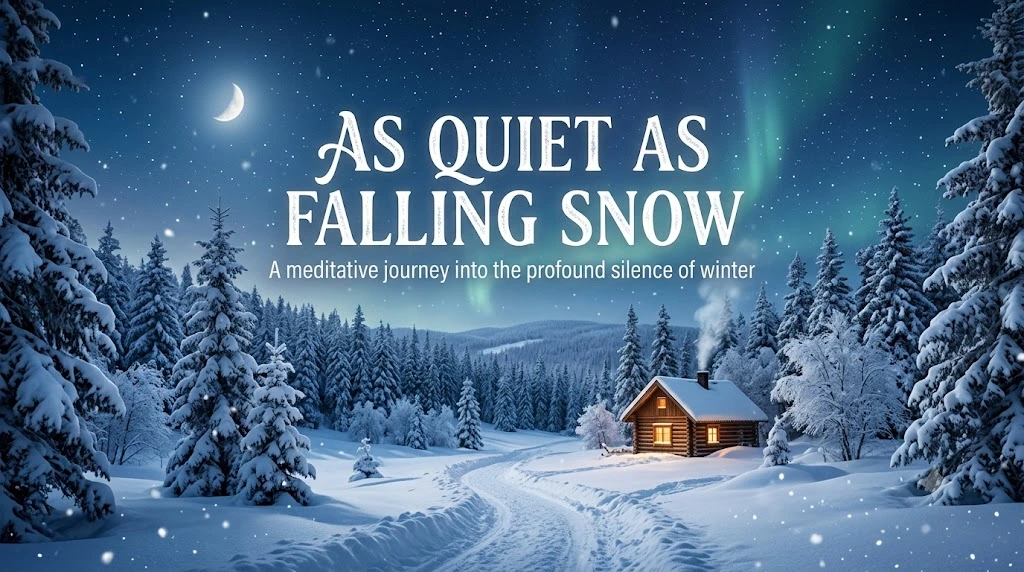
As Quiet as Falling Snow
Meaning
Very silent and peaceful.
When to Use It
Useful for peaceful settings or calm moments.
Examples
- The classroom became as quiet as falling snow.
- The library was as quiet as falling snow.
As Colorful as a Rainbow
Meaning
Full of beauty, excitement, or variety.
When to Use It
Excellent for describing artwork, clothing, or celebrations.
Examples
- Her painting was as colorful as a rainbow.
- The garden looked as colorful as a rainbow.
As Brave as a Mountain Climber
Meaning
Someone faces challenges without fear.
When to Use It
Perfect for stories about courage and adventure.
Examples
- Noah was as brave as a mountain climber during the competition.
- She remained as brave as a mountain climber.
As Calm as a Still Lake
Meaning
Very peaceful and relaxed.
When to Use It
Use when describing emotions or quiet places.
Examples
- Liam stayed as calm as a still lake before his speech.
- Grandma looked as calm as a still lake.
As Happy as a Bird in Spring
Meaning
Extremely joyful and carefree.
When to Use It
Ideal for positive stories and cheerful characters.
Examples
- Ava danced as happy as a bird in spring.
- The children were as happy as birds in spring.
As Clever as a Fox
Meaning
Very smart and quick-thinking.
When to Use It
Great for describing problem-solvers.
Examples
- Ben was as clever as a fox during the puzzle game.
- Our captain is as clever as a fox.
As Steady as a Lighthouse
Meaning
Reliable and dependable.
When to Use It
Perfect for describing trustworthy people.
Examples
- My teacher remained as steady as a lighthouse.
- She was as steady as a lighthouse during the storm.
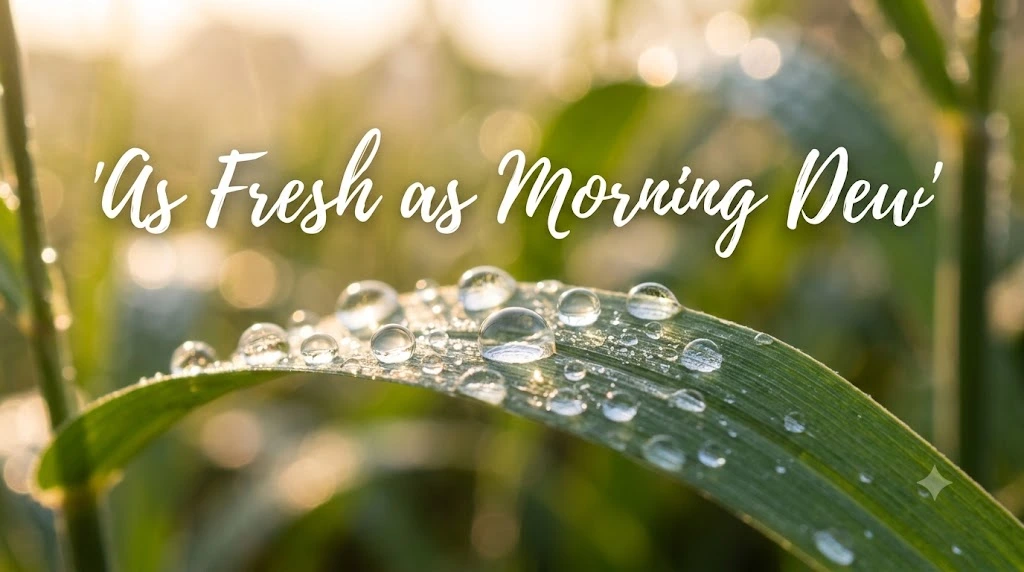
As Fresh as Morning Dew
Meaning
Clean, energetic, and refreshed.
When to Use It
Useful when describing mornings or new beginnings.
Examples
- I felt as fresh as morning dew after my nap.
- The flowers looked as fresh as morning dew.
As Tall as a Pine Tree
Meaning
Very tall or growing quickly.
When to Use It
Excellent for describing height or growing children.
Examples
- Jake is becoming as tall as a pine tree.
- The young sunflower stood as tall as a pine tree.
As Curious as a Squirrel
Meaning
Someone enjoys exploring and asking questions.
When to Use It
Perfect for describing young learners.
Examples
- Maya was as curious as a squirrel during science class.
- My little brother is as curious as a squirrel.
How to Use Similes Effectively in Writing
Using similes can make your writing more exciting and easier to imagine. Start by choosing comparisons that match the feeling or action you want to describe. Nature similes often work well because readers can easily picture trees, rivers, animals, flowers, and the sky. In essays, they make explanations clearer without becoming confusing. Songwriters also use similes to create memorable lyrics that connect with listeners. The best comparisons are simple, original, and meaningful rather than overused. Practice using one or two similes in each paragraph instead of filling every sentence with comparisons. Reading books filled with similes in literature will also help you discover fresh ideas and improve your own writing style.
Frequently Asked Questions
What are power similes for kids with meaning?
Power similes for kids with meaning are simple comparisons that use like or as to describe people, objects, or feelings in a vivid and easy-to-understand way. They help children improve vocabulary and creative writing.
What is the difference between a simile and a metaphor?
A simile compares two things using like or as, while a metaphor makes a direct comparison without those words.
Example Simile: She is as brave as a lion.
Example Metaphor: She is a lion.
Why are similes important in creative writing?
Similes help readers create mental pictures, understand emotions, and enjoy stories more. They add color and imagination to poems, essays, stories, and speeches.
Can children use similes in school assignments?
Yes. Similes make school writing more descriptive and engaging. Teachers often encourage students to use figurative language examples in essays, book reports, and creative writing activities.
Where can kids find good simile examples?
Children can discover similes in books, poems, fairy tales, songs, and classroom lessons. Reading regularly is one of the best ways to learn new and creative comparisons.
Conclusion
Learning power similes for kids with meaning is a wonderful way to make writing more colorful, expressive, and enjoyable. Whether children are describing a brave hero, a peaceful forest, or a joyful celebration, similes help bring ideas to life through clear and memorable comparisons. By exploring nature similes, studying similes in literature, and practicing new figurative language examples, young writers can build stronger vocabulary and greater confidence in their communication skills. The key is to choose comparisons that are simple, meaningful, and easy for readers to picture. With regular practice, similes become a natural part of storytelling, poetry, essays, and everyday conversations. Every creative comparison adds depth, emotion, and imagination to language, helping young writers express themselves with clarity and confidence for years to come.