
The ocean has inspired writers, poets, and storytellers for centuries with its beauty, mystery, and immense power. One of the best ways to describe the ocean vividly is through similes. Similes help readers picture scenes more clearly by comparing one thing to another using the words “like” or “as.” They are an important part of figurative language because they add imagery, emotion, and depth to writing.
Nature often provides some of the strongest comparisons, and the ocean is one of the richest natural symbols available. Like trees symbolize strength, growth, resilience, wisdom, and human emotion, the ocean can represent freedom, change, peace, danger, and endless possibility. Writers use ocean similes to make descriptions more engaging and memorable. Whether you’re writing poetry, stories, essays, or creative content, learning similes for the ocean can make your language more expressive and powerful.
What Is a Simile?
A simile is a figure of speech that compares two different things using the words “like” or “as.” The purpose of a simile is to create a vivid image and help readers understand something more clearly.
Example:
The ocean was as calm as a sleeping child.
This comparison helps readers imagine a peaceful, still sea by connecting it to the quietness of a sleeping child.
As Endless as the Horizon
Meaning
This simile describes the ocean’s vast and seemingly infinite expanse.
Usage Insight
Use this simile when emphasizing size, freedom, or limitless possibilities.
Examples
- The ocean stretched before us, as endless as the horizon.
- Her dreams felt as endless as the horizon beyond the sea.
Like a Giant Mirror Beneath the Sky
Meaning
This simile highlights the ocean’s reflective surface on calm days.
Usage Insight
Perfect for peaceful nature descriptions and serene settings.
Examples
- At dawn, the ocean looked like a giant mirror beneath the sky.
- The bay shimmered like a giant mirror beneath the clouds.
As Restless as a Wandering Soul
Meaning
The ocean is constantly moving and changing.
Usage Insight
Use it when describing uncertainty, movement, or emotional turbulence.
Examples
- The sea was as restless as a wandering soul during the storm.
- His thoughts were as restless as a wandering soul beside the waves.
Like a Roaring Lion
Meaning
This simile compares the ocean’s powerful waves to a lion’s fierce roar.
Usage Insight
Ideal for dramatic and energetic scenes.
Examples
- The ocean sounded like a roaring lion crashing against the cliffs.
- During the storm, the waves rose like a roaring lion.
As Deep as Ancient Secrets
Meaning
The ocean contains mysteries hidden beneath its surface.
Usage Insight
Works well in poetic and reflective writing.
Examples
- Her eyes seemed as deep as ancient secrets beneath the ocean.
- The sea appeared as deep as ancient secrets at twilight.
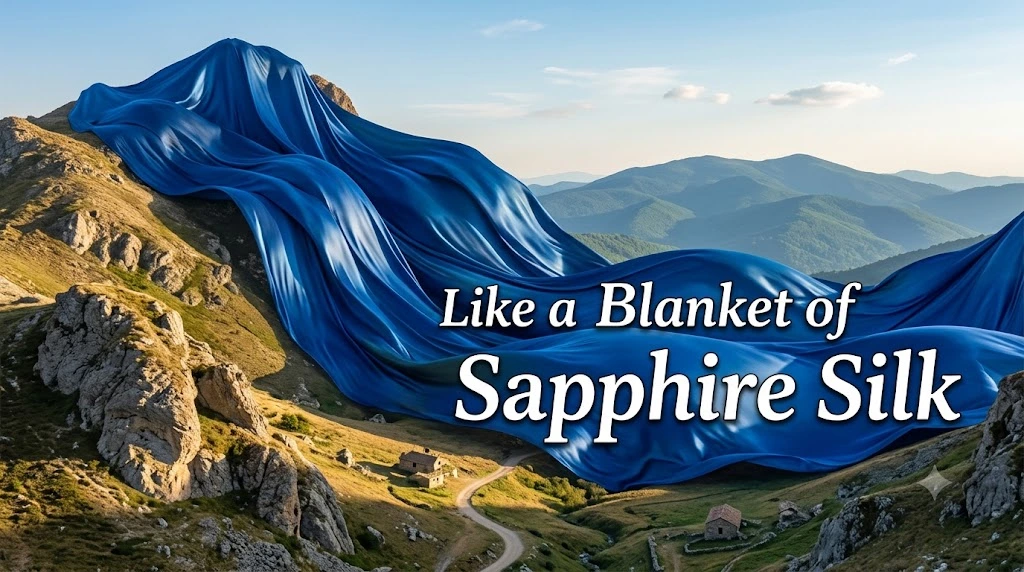
Like a Blanket of Sapphire Silk
Meaning
This comparison focuses on the ocean’s smooth blue beauty.
Usage Insight
Best for elegant descriptions of calm waters.
Examples
- The ocean spread out like a blanket of sapphire silk.
- The bay gleamed like a blanket of sapphire silk in the sunlight.
As Powerful as a Thousand Drums
Meaning
The ocean’s force is compared to the combined sound and energy of many drums.
Usage Insight
Excellent for portraying strength and intensity.
Examples
- The crashing surf was as powerful as a thousand drums.
- The storm-driven ocean sounded as powerful as a thousand drums.
Like a Living Heartbeat
Meaning
The ocean’s rhythmic waves resemble a steady heartbeat.
Usage Insight
Useful when highlighting nature’s rhythm and life.
Examples
- The waves moved like a living heartbeat along the shore.
- The ocean pulsed like a living heartbeat beneath the moonlight.
As Unpredictable as the Wind
Meaning
The ocean can change rapidly and unexpectedly.
Usage Insight
Perfect for discussing uncertainty and sudden change.
Examples
- The sea was as unpredictable as the wind that crossed it.
- Life felt as unpredictable as the wind over the ocean.
Like an Artist’s Endless Canvas
Meaning
The ocean constantly changes colors and patterns.
Usage Insight
Great for creative and visual descriptions.
Examples
- At sunset, the ocean looked like an artist’s endless canvas.
- The changing waters resembled an artist’s endless canvas.
As Calm as a Sleeping Baby
Meaning
This simile describes exceptionally peaceful waters.
Usage Insight
Best for tranquil and relaxing scenes.
Examples
- The ocean was as calm as a sleeping baby at sunrise.
- We sailed across waters as calm as a sleeping baby.
Like a Symphony of Nature
Meaning
The ocean’s sounds blend harmoniously with natural surroundings.
Usage Insight
Ideal for sensory-rich descriptions.
Examples
- The waves and seabirds created a sound like a symphony of nature.
- The coast echoed like a symphony of nature at dawn.
As Mysterious as a Hidden World
Meaning
Much of the ocean remains unexplored and unknown.
Usage Insight
Works well in adventurous and imaginative writing.
Examples
- The deep sea was as mysterious as a hidden world.
- The dark waters seemed as mysterious as a hidden world beneath them.
Like a Silver Path Under the Moon
Meaning
Moonlight reflecting on water creates a shining pathway effect.
Usage Insight
Excellent for romantic and poetic imagery.
Examples
- The ocean glowed like a silver path under the moon.
- We watched the waves sparkle like a silver path under the moon.
As Free as a Seagull Over the Waves
Meaning
This simile emphasizes freedom and openness.
Usage Insight
Use it when discussing independence and adventure.
Examples
- Standing by the sea, she felt as free as a seagull over the waves.
- The sailors felt as free as seagulls over the waves.
Like an Ever-Changing Story
Meaning
The ocean is constantly shifting and evolving.
Usage Insight
Perfect for describing change, growth, and unpredictability.
Examples
- The ocean unfolded like an ever-changing story before us.
- Every tide seemed like an ever-changing story waiting to be told.
How to Use Similes Effectively in Writing
Using similes effectively can transform ordinary writing into vivid and memorable prose. Here are some practical tips:
Poems
- Use similes to create strong emotional imagery.
- Connect ocean comparisons to feelings, memories, and moods.
For Stories
- Use similes to build atmosphere and setting.
- Match the simile to the scene’s emotional tone.
Essays
- Include similes sparingly to make explanations more engaging.
- Ensure the comparison supports your main point.
For Songs
- Choose similes that evoke emotion quickly.
- Focus on rhythm and memorable imagery.
Creative Descriptions
- Draw inspiration from nature.
- Avoid overused comparisons and strive for originality.
General Tips
- Keep comparisons clear and relatable.
- Use similes that fit the context naturally.
- Don’t overload your writing with too many similes.
- Experiment with fresh and imaginative imagery.
FAQs About Similes for the Ocean
What are similes for the ocean?
Similes for the ocean are comparisons that use “like” or “as” to describe the sea’s appearance, movement, sound, or emotional impact.
What is an example of an ocean simile?
A common example is: “The ocean was as calm as a sleeping baby.”
What is the difference between a simile and a metaphor?
A simile uses words like “like” or “as” to make a comparison, while a metaphor directly states that one thing is another.
Can ocean similes be used in academic writing?
Yes, when used appropriately. They can make descriptions more engaging, especially in creative or descriptive assignments.
Why are ocean similes popular in literature?
Writers often use ocean similes because the sea symbolizes power, mystery, freedom, beauty, and change, making it a rich source of imagery.
Conclusion
Ocean similes are powerful tools that help writers paint vivid pictures and create stronger emotional connections with readers. Whether you describe the sea as as endless as the horizon, like a giant mirror beneath the sky, or as mysterious as a hidden world, these comparisons bring depth and imagination to your language. They enrich poems, stories, essays, and creative descriptions by transforming simple observations into memorable imagery. By understanding and practicing these similes for the ocean, you can make your writing more engaging, expressive, and impactful. The next time you write about the sea, let these creative comparisons help your words flow as beautifully as the waves themselves.