
Blue eyes have fascinated poets, writers, and storytellers for centuries because of their striking beauty and emotional depth. One of the best ways to describe blue eyes vividly is through similes, which create memorable comparisons that readers can instantly picture. Similes help transform simple descriptions into colorful imagery that captures attention and emotion. They are an essential part of figurative language and are commonly used in literature, poetry, songs, and everyday writing.
A well-crafted simile can make a character feel more realistic and a scene more engaging. Just as trees symbolize strength, growth, resilience, wisdom, and human emotion, blue eyes often symbolize calmness, mystery, innocence, or depth. Writers use comparisons to connect physical features with elements of nature and life that readers already understand. By learning powerful similes for blue eyes, you can enrich your writing and create descriptions that leave a lasting impression.
What Is a Simile?
A simile is a figure of speech that compares two different things using the words “like” or “as.” Similes help readers visualize ideas more clearly and make writing more expressive.
Example:
Her blue eyes were as clear as a mountain lake.
This comparison helps readers instantly imagine bright, clean, and beautiful blue eyes.
As Blue as a Summer Sky
Meaning
Describes bright, cheerful, and vivid blue eyes.
Usage Insight
This simile works well when portraying happiness, innocence, or youthful energy.
Examples
- Her eyes were as blue as a summer sky, shining with excitement.
- The child’s eyes looked as blue as a summer sky on a perfect afternoon.
Like the Calm Waters of a Crystal Lake
Meaning
Represents peaceful, soothing, and serene blue eyes.
Usage Insight
Ideal for describing someone who brings comfort and tranquility.
Examples
- His eyes were like the calm waters of a crystal lake, instantly easing my worries.
- She gazed at me with eyes like the calm waters of a crystal lake.
As Blue as a Sapphire Gem
Meaning
Highlights richness, brilliance, and elegance.
Usage Insight
Perfect for romantic descriptions and character portraits.
Examples
- Her eyes sparkled as blue as a sapphire gem beneath the sunlight.
- The actress had eyes as blue as a sapphire gem.
Like the Ocean on a Sunny Day
Meaning
Suggests beauty, depth, and endless fascination.
Usage Insight
Useful when emphasizing both attractiveness and mystery.
Examples
- His eyes were like the ocean on a sunny day, impossible to ignore.
- She possessed eyes like the ocean on a sunny day, bright and inviting.
As Blue as Morning Frost
Meaning
Describes cool, crisp, and striking blue eyes.
Usage Insight
Works well when portraying elegance or emotional distance.
Examples
- Her eyes were as blue as morning frost in winter.
- The stranger’s gaze remained as blue as morning frost.
Like a Piece of Clear Arctic Ice
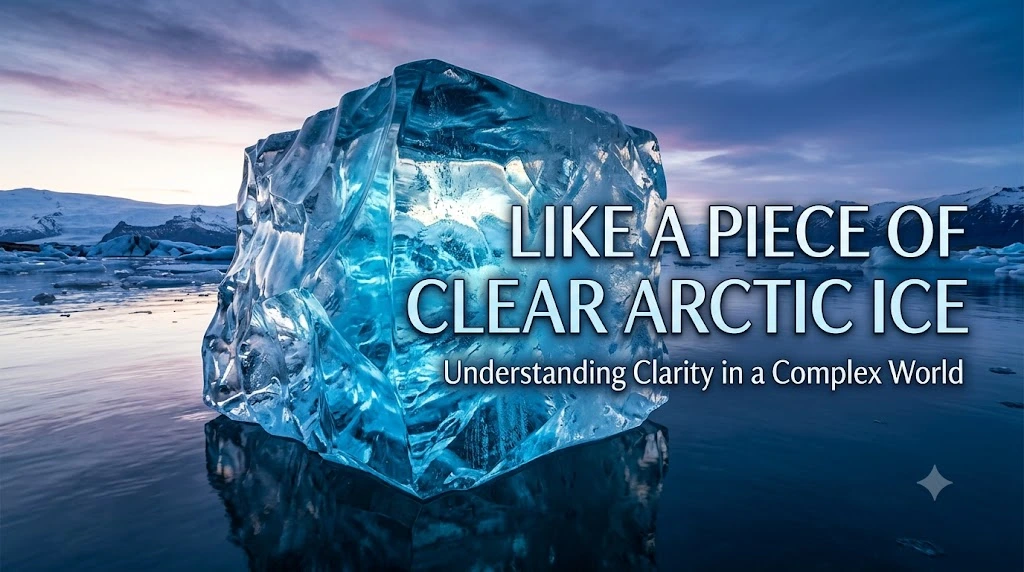
Meaning
Suggests extraordinary clarity and intensity.
Usage Insight
Best used when describing sharp or unforgettable eyes.
Examples
- His eyes looked like a piece of clear Arctic ice.
- She stared at me with eyes like a piece of clear Arctic ice.
As Blue as a Robin’s Egg
Meaning
Represents soft, delicate, and gentle shades of blue.
Usage Insight
Excellent for describing innocence and tenderness.
Examples
- The baby had eyes as blue as a robin’s egg.
- Her gentle smile matched her eyes, which were as blue as a robin’s egg.
Like Moonlight Reflecting on Water
Meaning
Creates an image of shimmering, magical blue eyes.
Usage Insight
Perfect for romantic and poetic writing.
Examples
- Her eyes were like moonlight reflecting on water.
- He couldn’t forget eyes like moonlight reflecting on water.
As Blue as Tropical Seas
Meaning
Suggests vibrancy, warmth, and natural beauty.
Usage Insight
Useful when describing captivating and energetic personalities.
Examples
- Her eyes were as blue as tropical seas.
- The traveler had eyes as blue as tropical seas under the midday sun.
Like a Window to the Sky
Meaning
Represents openness, honesty, and wonder.
Usage Insight
Works beautifully in emotional or reflective writing.
Examples
- His eyes were like a window to the sky, full of hope.
- She looked at the future through eyes like a window to the sky.
As Blue as a Glacier
Meaning
Describes intense and powerful blue eyes.
Usage Insight
Ideal for creating a strong and memorable impression.
Examples
- His eyes were as blue as a glacier carved by time.
- The warrior’s gaze remained as blue as a glacier.
Like a Hidden Mountain Lake

Meaning
Suggests mystery, depth, and quiet beauty.
Usage Insight
Excellent for complex or intriguing characters.
Examples
- Her eyes were like a hidden mountain lake waiting to be discovered.
- He was captivated by eyes like a hidden mountain lake.
As Blue as a Spring Horizon
Meaning
Represents freshness, optimism, and new beginnings.
Usage Insight
Useful in uplifting and inspirational writing.
Examples
- Her eyes were as blue as a spring horizon.
- The young artist’s eyes shone as blue as a spring horizon.
Like Shining Blue Silk
Meaning
Emphasizes smoothness, elegance, and beauty.
Usage Insight
Perfect for sophisticated character descriptions.
Examples
- Her eyes gleamed like shining blue silk.
- The dancer had eyes like shining blue silk beneath the stage lights.
As Blue as the Heart of a Flame
Meaning
Combines blue beauty with hidden passion and strength.
Usage Insight
Works particularly well for characters who appear calm but possess strong emotions.
Examples
- His eyes were as blue as the heart of a flame.
- She carried determination in eyes as blue as the heart of a flame.
How to Use Similes Effectively in Writing
Using similes effectively can make your writing more vivid and memorable. Here are some practical tips:
- Match the mood of your comparison to the scene or character.
- Use familiar images that readers can easily visualize.
- Avoid overusing similes, as too many can overwhelm the reader.
- Choose original comparisons instead of clichés whenever possible.
- Use nature-inspired similes to create strong imagery and emotional connections.
- In poems and songs, select similes that enhance rhythm and emotion.
- In stories and novels, use similes to reveal character traits and atmosphere.
- In essays and academic writing, use similes sparingly to clarify complex ideas.
- In creative descriptions, focus on sensory details such as color, texture, light, and movement.
FAQs About Similes for Blue Eyes
What are similes for blue eyes?
Similes for blue eyes are comparisons that use “like” or “as” to describe blue eyes through vivid imagery, such as “as blue as a summer sky” or “like the ocean on a sunny day.”
What is the difference between a simile and a metaphor?
A simile compares two things using “like” or “as,” while a metaphor makes a direct comparison without those words.
Why do writers use similes for blue eyes?
Writers use similes to create stronger imagery, evoke emotions, and help readers visualize a character more clearly.
Can similes be used in academic writing?
Yes, although they should be used carefully and only when they help explain an idea more clearly.
Are similes important in creative writing?
Absolutely. Similes add depth, color, emotion, and visual appeal to stories, poems, songs, and descriptive passages.
Conclusion
Powerful similes for blue eyes can transform ordinary descriptions into unforgettable imagery. Whether you compare blue eyes to a summer sky, a crystal lake, a sapphire gem, or a hidden mountain lake, these comparisons help readers see and feel the beauty behind the words. Similes enrich figurative language by adding clarity, emotion, and creativity to writing. They make characters more vivid, scenes more engaging, and descriptions more memorable. By choosing thoughtful and original comparisons, writers can capture the unique qualities of blue eyes while creating lasting impressions on their audience. Mastering these similes is a simple yet effective way to elevate your writing and bring every description to life.