
Similes are one of the most effective tools writers use to create vivid images and memorable descriptions. They help readers connect unfamiliar ideas with familiar experiences through direct comparisons. By using words such as “like” or “as,” similes make writing more engaging, expressive, and easy to understand. They are found in poems, novels, speeches, songs, and everyday conversations.
Figurative language allows writers to add emotion and depth to their words, and similes are among the most popular forms of figurative language. Just as trees symbolize strength, growth, resilience, wisdom, and human emotion, similes help ideas grow into powerful mental pictures. They transform ordinary descriptions into meaningful comparisons that readers can instantly visualize. Learning how to use similes effectively can greatly improve both creative and academic writing.
What Is a Simile?
A simile is a figure of speech that compares two different things using the words “like” or “as.” Similes help readers understand a concept more clearly by connecting it to something familiar.
Example:
Her smile was like sunshine on a cold morning.
This simile compares a smile to sunshine, helping readers feel its warmth and positivity.
Like a Beacon in the Dark
Meaning
Something that provides guidance, hope, or direction during difficult times.
Usage Insight
This simile works well when describing supportive people, inspiring ideas, or moments of clarity.
Examples
- Her encouraging words were like a beacon in the dark during my toughest year.
- The mentor stood like a beacon in the dark for struggling students.
Like a River Finding Its Way
Meaning
Moving naturally toward a goal despite obstacles.
Usage Insight
Ideal for describing determination, growth, and personal journeys.
Examples
- His career progressed like a river finding its way through rocky terrain.
- She adapted to every challenge like a river finding its way to the sea.
Like Morning Dew on Fresh Grass
Meaning
Refreshing, pure, and pleasant.
Usage Insight
Useful for describing new beginnings, fresh ideas, or uplifting experiences.
Examples
- Her optimism felt like morning dew on fresh grass.
- The vacation was like morning dew on fresh grass after months of hard work.
Like a Tree Rooted in Rich Soil
Meaning
Strong, stable, and secure.
Usage Insight
Perfect for discussing confidence, family values, or inner strength.
Examples
- His principles were like a tree rooted in rich soil.
- The community remained like a tree rooted in rich soil despite challenges.
Like a Star Guiding Sailors
Meaning
Reliable and trustworthy.
Usage Insight
Works well when describing leadership and wisdom.
Examples
- Her advice was like a star guiding sailors across rough waters.
- The teacher remained like a star guiding sailors through uncertainty.
Like a Feather Riding the Wind

Meaning
Light, effortless, and graceful.
Usage Insight
Excellent for describing movement, dancing, or peaceful emotions.
Examples
- She moved across the stage like a feather riding the wind.
- His worries drifted away like a feather riding the wind.
Like a Bridge Across a Divide
Meaning
Connecting people, ideas, or cultures.
Usage Insight
Useful for discussions about communication and relationships.
Examples
- Kindness acted like a bridge across a divide between strangers.
- The project served like a bridge across a divide among different teams.
Like Rain After a Drought
Meaning
Greatly needed relief or happiness.
Usage Insight
Ideal for emotional moments and positive change.
Examples
- The good news arrived like rain after a drought.
- Her return felt like rain after a drought for the entire family.
Like an Eagle Above the Clouds
Meaning
Confident, powerful, and visionary.
Usage Insight
Best used when describing ambition and leadership.
Examples
- He approached challenges like an eagle above the clouds.
- The entrepreneur thought like an eagle above the clouds.
Like a Candle in a Storm
Meaning
Fragile yet persistent.
Usage Insight
Perfect for describing courage during difficult circumstances.
Examples
- Her hope remained like a candle in a storm.
- The small business survived like a candle in a storm.
Like a Compass Pointing North
Meaning
Consistently reliable and focused.
Usage Insight
Useful when highlighting direction and purpose.
Examples
- His integrity was like a compass pointing north.
- Their mission remained like a compass pointing north through every setback.
Like Waves Kissing the Shore
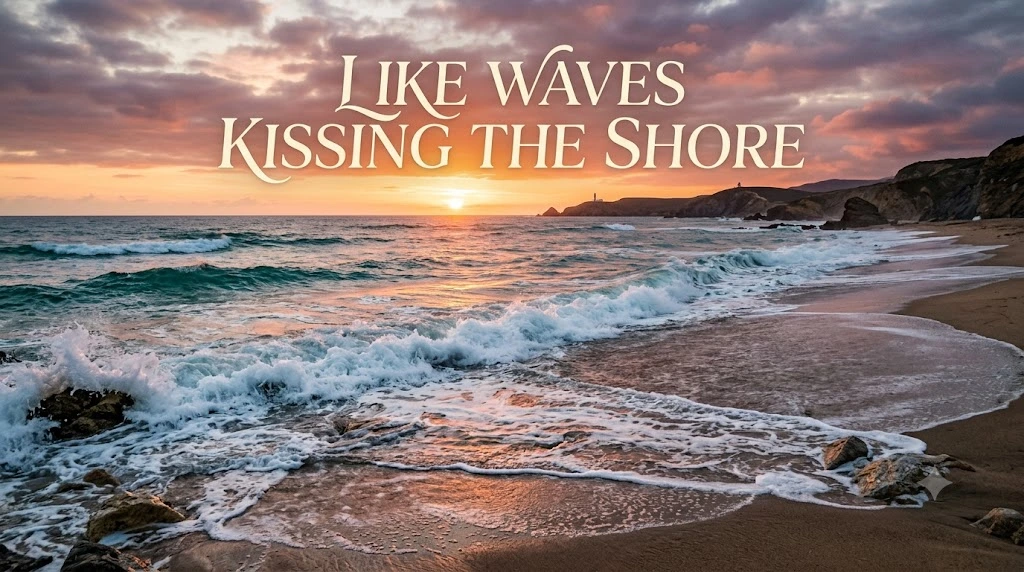
Meaning
Gentle, natural, and continuous.
Usage Insight
Works beautifully in romantic and descriptive writing.
Examples
- Their conversations flowed like waves kissing the shore.
- Her laughter returned like waves kissing the shore.
Like Fire Warming a Winter Night
Meaning
Comforting and welcoming.
Usage Insight
Excellent for describing friendship, love, and hospitality.
Examples
- His kindness was like fire warming a winter night.
- The family gathering felt like fire warming a winter night.
Like a Seed Breaking Through Stone
Meaning
Overcoming adversity through persistence.
Usage Insight
Ideal for motivational and inspirational writing.
Examples
- Her determination was like a seed breaking through stone.
- The young athlete succeeded like a seed breaking through stone.
Like a Mirror Reflecting Truth
Meaning
Honest and revealing.
Usage Insight
Useful for discussions about self-awareness and honesty.
Examples
- The journal was like a mirror reflecting truth.
- Her feedback felt like a mirror reflecting truth.
Like Thunder Announcing the Rain
Meaning
A clear sign that something important is coming.
Usage Insight
Great for building anticipation and foreshadowing.
Examples
- The early successes were like thunder announcing the rain.
- His confident speech sounded like thunder announcing the rain.
How to Use Similes Effectively in Writing
Using similes effectively can make your writing more engaging and memorable. Here are some practical tips:
1. Choose Familiar Comparisons
Readers connect more easily with comparisons they recognize and understand.
2. Match the Tone
Use gentle similes for emotional scenes and powerful similes for dramatic moments.
3. Avoid Overusing Similes
Too many comparisons can distract readers. Use them strategically.
4. Appeal to the Senses
Create imagery involving sight, sound, touch, smell, or taste.
5. Be Original
Fresh comparisons leave a stronger impression than clichés.
6. Use Similes in Different Writing Forms
- Poems: Add rhythm and imagery.
- Stories: Develop characters and settings.
- Essays: Clarify complex ideas.
- Songs: Create memorable lyrics.
- Creative Descriptions: Enhance emotional impact.
FAQs About Similes for Like
What are similes for like?
Similes for like are comparisons that use the word “like” to connect two different things and create vivid imagery, such as “like a beacon in the dark.”
What is the difference between a simile and a metaphor?
A simile uses words like “like” or “as” to make a comparison, while a metaphor directly states that one thing is another without using comparison words.
Why are similes important in writing?
Similes help readers visualize ideas, understand emotions, and engage more deeply with the text.
Can similes be used in academic writing?
Yes. While they are more common in creative writing, similes can also clarify complex concepts in essays, presentations, and educational content.
How can I create original similes?
Think about the qualities of what you are describing and compare them to something with similar characteristics from nature, daily life, or personal experience.
Conclusion
Powerful similes for like can transform ordinary writing into vivid, memorable communication. By creating meaningful comparisons, similes help readers visualize ideas, understand emotions, and connect with your message on a deeper level. Whether you are writing poetry, stories, essays, speeches, or songs, strong similes add color, clarity, and emotional depth to your words. The best similes are original, relevant, and easy to understand. As you practice using figurative language examples and creative comparisons, your writing will become more engaging and expressive. Mastering similes is a simple yet powerful way to make every sentence resonate with readers and leave a lasting impression.