
The castle was quiet until a deep roar echoed across the mountains. From behind a wall of silver clouds, a massive dragon appeared, its golden eyes glowing like lanterns in the darkness. Its wings stretched across the sky like enormous sails, and every beat sent a powerful gust through the ancient trees. In that moment, simply calling the dragon “big” or “scary” did not seem enough. The creature needed words as powerful as its presence. That is where similes for dragons can transform ordinary descriptions into unforgettable scenes.
A simile compares one thing to another using words such as “like” or “as,” helping readers imagine something they cannot see directly. Dragons are perfect subjects for creative comparisons because they can be fierce, mysterious, wise, magical, or even playful. You can describe a dragon’s scales as shining like polished armor, its roar as loud as thunder, or its fiery breath as bright as a blazing furnace. Whether you are writing a fantasy story, poem, children’s book, or creative essay, imaginative dragon similes can make your descriptions vivid, exciting, and full of life.
- What Is a Good Simile for an Angry Dragon?
- What Is a Simile for a Furious Dragon?
- What Is a Simile for an Enraged Dragon?
- What Is a Simile for a Dragon Breathing Fire?
- What Is a Simile for an Angry Dragon’s Roar?
- What Is a Simile for an Angry Dragon’s Eyes?
- What Is a Simile for a Dragon Ready to Attack?
- What Is a Simile for a Fierce and Angry Dragon?
- What Is a Simile for a Dragon Full of Rage?
- What Is a Simile for a Dragon’s Fiery Anger?
- What Is a Simile for a Scary Angry Dragon?
- What Is a Simile for a Wild and Angry Dragon?
- What Is a Simile for a Dragon Roaring in Anger?
- What Is a Simile for a Dragon’s Furious Temper?
- What Is a Simile for a Dragon’s Powerful Rage?
- What Is a Simile for an Angry Dragon in a Story?
- What Is a Simile for an Angry Dragon for Kids?
- What Are Some Creative Similes for an Angry Dragon?
- What Are Powerful Similes to Describe an Angry Dragon?
- What Are Funny and Imaginative Similes for an Angry Dragon?
What Is a Simile?
A simile is a figure of speech that compares two different things using the words “like” or “as.” Similes help readers visualize ideas more clearly and make descriptions more interesting.
Example: The dragon soared through the sky like a living storm.
This comparison helps readers imagine the dragon’s immense power and dramatic presence.
As Fierce as a Wildfire
Meaning: Describes a dragon with overwhelming aggression and destructive energy.
Usage Insight: This simile works well when portraying dragons in battle scenes or moments of intense anger.
Examples:
- The dragon charged toward the castle as fierce as a wildfire sweeping through a dry forest.
- His eyes glowed as fierce as a wildfire ready to consume everything in its path.
Like a Mountain Wrapped in Scales
Meaning: Emphasizes the dragon’s enormous size and strength.
Usage Insight: Ideal for introducing a giant dragon that dominates the landscape.
Examples:
- The ancient dragon rested like a mountain wrapped in scales beside the valley.
- From afar, the creature appeared like a mountain wrapped in scales beneath the clouds.
As Silent as Falling Snow
Meaning: Highlights a dragon’s ability to move quietly despite its size.
Usage Insight: Useful for stealthy or mysterious dragons.
Examples:
- The dragon glided over the forest as silent as falling snow.
- Despite its immense wings, the beast approached as silent as falling snow.
Like Thunder Rolling Across the Sky
Meaning: Describes a dragon’s powerful voice or movement.
Usage Insight: Excellent for scenes involving roaring dragons.
Examples:
- The dragon’s roar echoed like thunder rolling across the sky.
- Its massive wings beat like thunder rolling across the sky.
As Bright as a Thousand Torches
Meaning: Refers to a dragon’s glowing scales, eyes, or fiery breath.
Usage Insight: Effective when emphasizing magical or fiery qualities.
Examples:
- The golden dragon shimmered as bright as a thousand torches.
- Its eyes burned as bright as a thousand torches in the darkness.
Like a Storm Unleashed
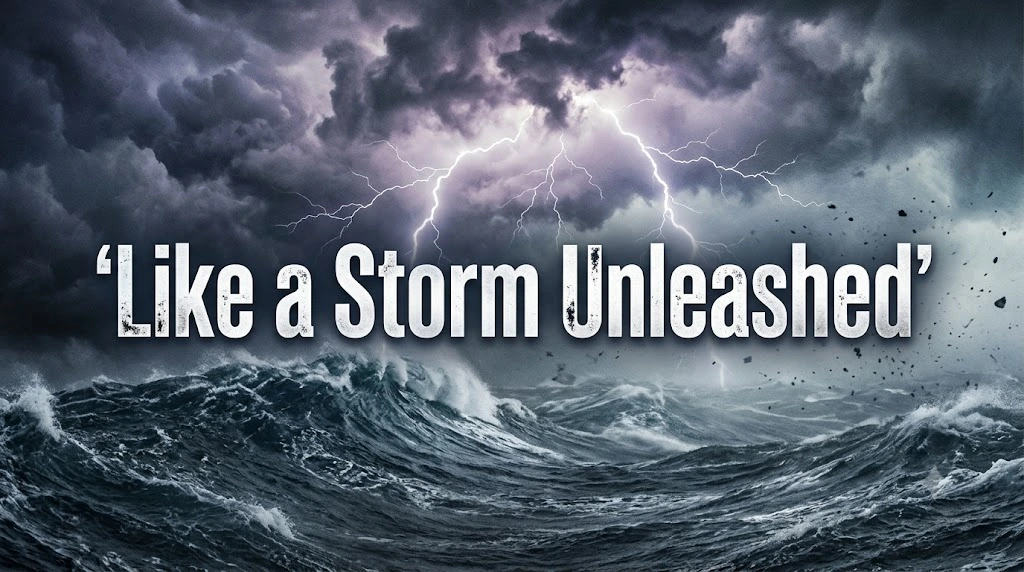
Meaning: Suggests unstoppable power and chaos.
Usage Insight: Perfect for action-packed fantasy scenes.
Examples:
- The dragon descended upon the battlefield like a storm unleashed.
- Its fury spread through the kingdom like a storm unleashed.
As Ancient as the Stars
Meaning: Indicates great age, wisdom, and experience.
Usage Insight: Best used for legendary dragons with rich histories.
Examples:
- The dragon seemed as ancient as the stars themselves.
- Stories described the creature as ancient as the stars.
Like a Shadow Crossing the Moon
Meaning: Creates a mysterious and dramatic image.
Usage Insight: Useful for nighttime scenes and suspenseful moments.
Examples:
- The dragon appeared like a shadow crossing the moon.
- Villagers watched in fear as it moved like a shadow crossing the moon.
As Powerful as an Earthquake
Meaning: Emphasizes immense strength and impact.
Usage Insight: Great for illustrating physical force.
Examples:
- The dragon’s landing was as powerful as an earthquake.
- Every step felt as powerful as an earthquake shaking the earth.
Like a River of Living Fire
Meaning: Describes a dragon’s fiery breath or glowing body.
Usage Insight: Ideal for fire-breathing dragons.
Examples:
- Flames poured from its mouth like a river of living fire.
- The dragon’s breath flowed like a river of living fire through the canyon.
As Majestic as a Crowned King
Meaning: Highlights nobility, authority, and grandeur.
Usage Insight: Works well for regal dragons.
Examples:
- The silver dragon stood as majestic as a crowned king.
- Its posture was as majestic as a crowned king addressing his people.
Like an Eagle Riding the Wind
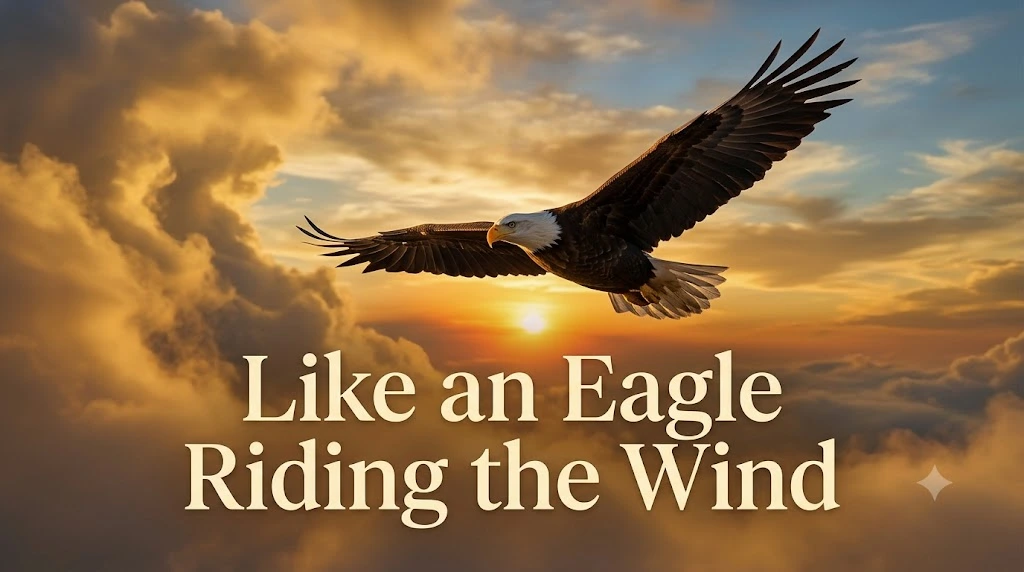
Meaning: Focuses on graceful flight and aerial mastery.
Usage Insight: Suitable for dragons soaring through the skies.
Examples:
- The dragon moved like an eagle riding the wind.
- It circled the mountains like an eagle riding the wind.
As Unpredictable as Lightning
Meaning: Describes sudden actions or changing moods.
Usage Insight: Effective for wild and dangerous dragons.
Examples:
- The dragon’s temper was as unpredictable as lightning.
- It changed direction as unpredictable as lightning striking from the clouds.
Like a Fortress Brought to Life
Meaning: Highlights durability and defensive strength.
Usage Insight: Useful for heavily armored dragons.
Examples:
- The dragon stood like a fortress brought to life.
- Its thick scales made it seem like a fortress brought to life.
As Mysterious as the Deep Ocean
Meaning: Suggests hidden knowledge and secrets.
Usage Insight: Excellent for wise or magical dragons.
Examples:
- The dragon’s gaze was as mysterious as the deep ocean.
- Its motives remained as mysterious as the deep ocean.
How to Use Similes Effectively in Writing
Similes can transform ordinary descriptions into vivid and memorable images. Here are a few practical tips:
Choose Relevant Comparisons
Compare dragons to things that readers can easily imagine and understand.
Avoid Overusing Similes
Too many comparisons can overwhelm readers. Use them strategically for maximum impact.
Match the Mood
Select similes that fit the tone of your story, poem, or essay.
Draw from Nature
Nature similes often create powerful imagery because readers are familiar with natural phenomena.
Be Original
Fresh comparisons stand out more than clichés and make your writing memorable.
Use Similes to Reveal Character
A dragon described as “as ancient as the stars” feels very different from one described as “as fierce as a wildfire.”
FAQs About Similes for Dragons
What are similes for dragons?
Similes for dragons are comparisons that use “like” or “as” to describe a dragon’s appearance, behavior, strength, wisdom, or personality.
What is the difference between a simile and a metaphor?
A simile uses words such as “like” or “as” to make a comparison, while a metaphor directly states that one thing is another.
Why are similes important in fantasy writing?
They help readers visualize magical creatures more clearly and make descriptions more engaging and memorable.
Can similes be used in academic writing?
Yes, although they are more common in creative writing, similes can occasionally be used in academic writing to clarify complex ideas.
How can I create original similes for dragons?
Observe qualities such as size, power, speed, wisdom, or mystery, then compare them to familiar objects, animals, or natural phenomena.
Conclusion
Dragons have always captured our imagination because they can represent power, mystery, courage, danger, wisdom, and magic. With the right comparison, these legendary creatures can become even more vivid in a reader’s mind. Similes for dragons give writers a simple yet powerful way to describe their appearance, behavior, emotions, and incredible abilities. A dragon’s scales might shimmer like jewels, its wings could spread like storm clouds, and its roar might shake the mountains like rolling thunder. These comparisons help readers picture the creature instead of simply being told what it looks like.
Whether you are creating a fantasy adventure, writing a poem, developing a children’s story, or practicing figurative language, dragon similes can add color and imagination to your work. The best similes are clear, creative, and connected to the feeling you want to create. Try comparing a dragon to elements of nature, powerful animals, weather, fire, or even familiar objects. Most importantly, do not be afraid to create your own unusual comparisons. A memorable simile can turn an ordinary dragon into a creature readers will remember long after the story ends.