
Attractive things naturally catch our attention, but the right words can make that beauty unforgettable. Similes for attractive help writers compare beauty, charm, and appeal to familiar images that readers can easily picture. A simile is an important form of figurative language because it adds color, emotion, and meaning to ordinary descriptions. Instead of simply saying someone is attractive, a strong comparison can show how their beauty feels or what makes it memorable.
Nature is especially useful for these comparisons because flowers, stars, sunsets, rivers, and trees offer rich images of beauty and character. Trees, in particular, are powerful symbols of strength, growth, resilience, wisdom, and human emotion, making them meaningful sources for creative comparisons. Whether you are writing a poem, story, essay, song, or personal description, nature similes can help your language feel more vivid and natural. The following similes for attractive give you fresh figurative language examples that can make descriptions more expressive, graceful, and engaging.
What Is a Simile?
A simile is a figure of speech that compares two different things using words such as “like” or “as.” Similes make descriptions easier to visualize by connecting an idea to something familiar.
Example: Her smile was as radiant as the morning sun.
This comparison does more than say she had a beautiful smile; it helps the reader imagine its warmth and brightness.
1. As Attractive as a Rose in Full Bloom
Meaning: This simile compares someone’s attractiveness to a rose at its most beautiful stage, suggesting elegance, freshness, and natural charm.
Usage insight: Use it when describing someone whose beauty feels graceful, refined, and naturally captivating.
Examples:
- She looked as attractive as a rose in full bloom beneath the afternoon light.
- Her graceful presence made her seem as attractive as a freshly opened rose.
2. As Beautiful as a Starry Sky
Meaning: This comparison suggests a beauty that is dazzling, expansive, and difficult to ignore.
Usage insight: It works especially well in romantic writing, poetry, and descriptions of striking beauty.
Examples:
- Her eyes were as beautiful as a starry sky on a clear summer night.
- He found her presence as captivating as the endless stars above him.
3. As Charming as a Spring Morning
Meaning: This simile connects attractiveness with the freshness, warmth, and gentle happiness of spring.
Usage insight: Choose it when the person’s appeal is cheerful, welcoming, and pleasant rather than dramatic.
Examples:
- Her personality was as charming as a spring morning after a warm rain.
- He had a smile as inviting as the first sunlight of spring.
4. As Radiant as a Golden Sunrise
Meaning: This describes someone whose appearance or presence seems bright, warm, and full of life.
Usage insight: It is ideal for describing glowing beauty, especially when someone’s expression brings energy into a scene.
Examples:
- She looked as radiant as a golden sunrise when she entered the room.
- His face seemed as bright as dawn after a long and difficult night.
5. As Elegant as a Swan on Still Water
Meaning: This comparison suggests beauty combined with grace, poise, and effortless movement.
Usage insight: Use it for someone whose attractiveness comes from both appearance and graceful behavior.
Examples:
- She moved across the ballroom as elegantly as a swan on still water.
- Her calm confidence made her seem as graceful as a swan gliding across a lake.
6. As Captivating as a Moonlit Forest
Meaning: This simile suggests an attractive quality that is mysterious, peaceful, and deeply fascinating.
Usage insight: It works well when you want beauty to feel intriguing rather than simply bright or obvious.
Examples:
- Her quiet expression was as captivating as a moonlit forest.
- There was something about his gaze that felt as mysterious as a forest beneath the moon.
7. As Lovely as a Meadow Filled With Wildflowers
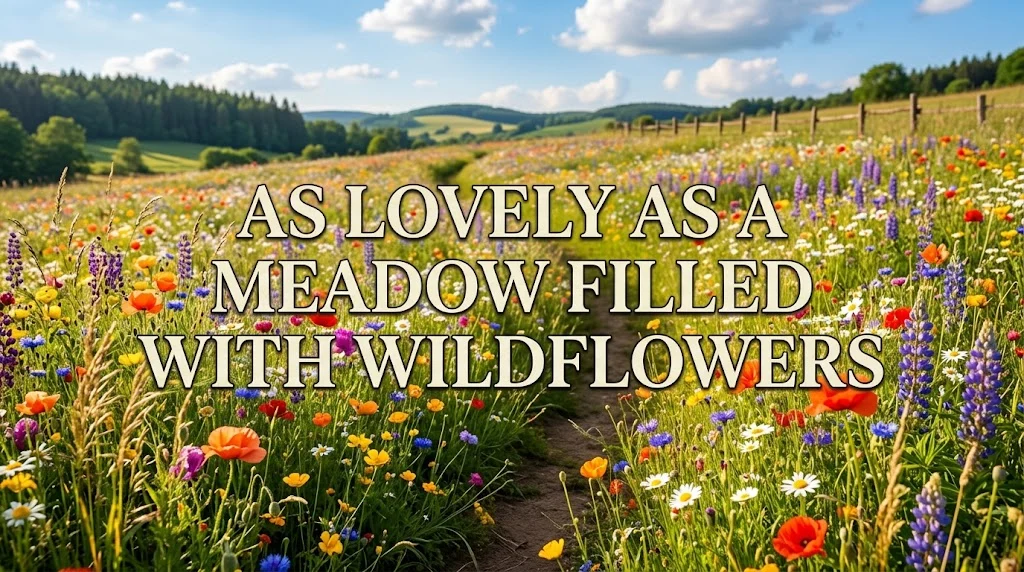
Meaning: This comparison presents attractiveness as colorful, natural, cheerful, and full of life.
Usage insight: Use it for someone whose beauty feels warm, lively, and unpretentious.
Examples:
- Her smile was as lovely as a meadow filled with wildflowers.
- The child’s joyful expression was as refreshing as a wildflower meadow in spring.
8. As Striking as Lightning Across the Night Sky
Meaning: This simile describes attractiveness that is sudden, powerful, and impossible to overlook.
Usage insight: It is particularly effective when describing an unforgettable first impression.
Examples:
- Her entrance was as striking as lightning across a dark sky.
- His unusual appearance was as memorable as a flash of lightning at midnight.
9. As Delicate as a Butterfly’s Wings
Meaning: This comparison suggests soft, delicate, refined, and graceful beauty.
Usage insight: It works best when describing subtle physical features, gentle movements, or an elegant appearance.
Examples:
- Her features were as delicate as a butterfly’s wings.
- The soft details of her dress made her look as graceful as a butterfly resting on a flower.
10. As Mesmerizing as Ocean Waves
Meaning: This simile describes beauty that continually draws attention and holds the viewer’s interest.
Usage insight: Use it when attractiveness feels soothing, hypnotic, or impossible to stop watching.
Examples:
- Her eyes were as mesmerizing as ocean waves beneath the sunlight.
- His calm voice and confident expression were as captivating as waves rolling toward the shore.
11. As Precious as a Rare Gemstone
Meaning: This comparison suggests exceptional beauty, value, uniqueness, and rarity.
Usage insight: It is useful when you want to emphasize that someone’s attractiveness is unusual and deeply valued.
Examples:
- Her smile was as precious as a rare gemstone.
- He considered her kindness and beauty as valuable as a jewel few people ever find.
12. As Warm as Sunlight Through the Trees
Meaning: This simile connects attractiveness with warmth, comfort, kindness, and emotional appeal.
Usage insight: Use it when someone’s beauty comes not only from appearance but also from the feeling they create around others.
Examples:
- Her smile was as warm as sunlight filtering through the trees.
- His friendly presence felt as comforting as golden light beneath a quiet forest canopy.
13. As Graceful as a Willow Tree in the Breeze
Meaning: This comparison suggests natural elegance, flexibility, calmness, and gentle beauty.
Usage insight: It works particularly well for descriptions of graceful movement and quiet confidence.
Examples:
- She stood as gracefully as a willow tree swaying in the breeze.
- Her movements were as smooth and elegant as willow branches moving with the wind.
14. As Bright as a Garden After Rain
Meaning: This simile describes attractiveness that feels fresh, lively, renewed, and joyful.
Usage insight: It is a strong choice for describing someone whose appearance or personality instantly lifts the mood.
Examples:
- Her expression was as bright as a garden after a refreshing rain.
- He brought a cheerful energy that made the room feel as alive as a garden after a storm.
15. As Enchanting as a Sunset Over the Mountains
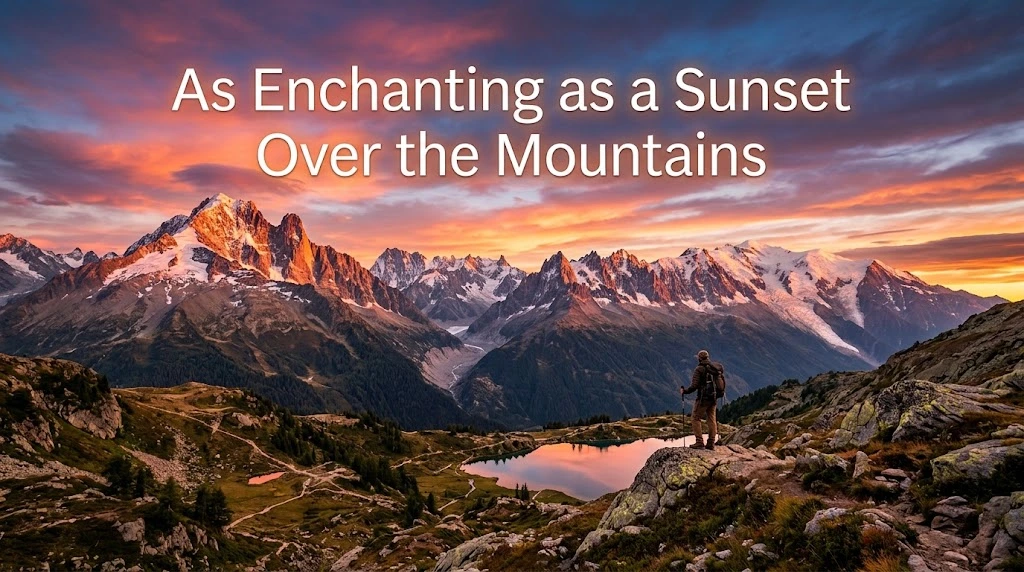
Meaning: This comparison presents attractiveness as breathtaking, memorable, and emotionally powerful.
Usage insight: It is especially effective in romantic writing, descriptive prose, and poetic passages.
Examples:
- Her presence was as enchanting as a sunset glowing over distant mountains.
- The scene was as beautiful and unforgettable as the final light of sunset across the peaks.
How to Use Similes Effectively in Writing
Using similes for attractive effectively is about choosing a comparison that matches the exact feeling you want to create. A beautiful simile should add meaning rather than simply decorate a sentence.
1. Use Similes in Poems
Poetry depends heavily on imagery and emotion. A comparison such as “her voice was as gentle as rain” can create a mood much more effectively than a plain statement.
2. Use Similes in Stories
In fiction, similes can make characters and settings easier to imagine. Instead of saying a character is attractive, describe their smile, eyes, movement, or presence through a memorable comparison.
3. Use Similes in Essays
Academic writing should generally remain precise, but figurative language can work well in reflective, descriptive, and literary essays. Keep the comparison relevant to the point you are making.
4. Use Similes in Songs
Songs often rely on emotional imagery. A carefully chosen simile can make lyrics more memorable and help listeners connect with an emotion.
5. Use Similes in Creative Descriptions
When describing people, places, objects, or moments, choose comparisons from nature, everyday life, or familiar experiences. The more recognizable the image, the easier it is for readers to understand.
6. Avoid Overusing Similes
Too many comparisons can make writing feel crowded. One strong simile is often more effective than several weak ones.
7. Match the Simile to the Mood
A rose may suggest romantic beauty, while lightning may suggest dramatic attractiveness. Choose an image that supports the emotion of your scene.
FAQs About Similes for Attractive
What are some good similes for attractive?
Some effective examples include “as attractive as a rose in full bloom,” “as radiant as a golden sunrise,” “as elegant as a swan,” and “as enchanting as a sunset over the mountains.”
What is the difference between a simile and a metaphor?
A simile makes a comparison using “like” or “as,” while a metaphor directly states that one thing is another. For example, “Her smile was like sunshine” is a simile, while “Her smile was sunshine” is a metaphor.
Can similes be used in academic writing?
Yes, but they should be used carefully. Similes can be effective in descriptive, literary, analytical, and reflective academic writing when they clarify an idea rather than make the writing unnecessarily informal.
Why are nature similes useful for describing attractiveness?
Nature provides familiar and vivid images of beauty. Flowers, stars, sunlight, oceans, mountains, trees, and sunsets can communicate qualities such as elegance, warmth, strength, mystery, and charm.
How can similes improve creative writing?
Similes add clarity, imagery, emotion, and depth to descriptions. They help readers visualize an idea and experience a scene instead of simply being told about it.
Conclusion
Similes for attractive give ordinary descriptions a more vivid and memorable voice. Instead of simply telling readers that someone is beautiful, these comparisons allow them to picture beauty through roses, stars, sunlight, oceans, butterflies, and magnificent sunsets. Strong similes can also reveal personality, mood, confidence, warmth, elegance, or mystery, making them valuable tools for both creative and academic writing. Nature similes are especially powerful because natural images are familiar while still carrying deep emotional meaning. Like a strong tree that grows through changing seasons, effective figurative language can add strength and resilience to your writing. Whether you are creating a poem, developing a fictional character, writing song lyrics, or adding imagery to an essay, the right comparison can transform a simple sentence into something memorable. Use these similes for attractive as inspiration, but always choose images that fit your subject and intended emotion. With thoughtful comparisons and clear language, your writing can become as vivid as a sunset, as graceful as a willow, and as unforgettable as a sky filled with stars.