
Freedom is one of the most meaningful ideas people can express through language, and similes help bring that idea to life with vivid imagery. A simile is a figure of speech that compares two different things using the words “like” or “as.” These comparisons make writing more engaging by helping readers picture emotions, experiences, and ideas more clearly. Similes are an important part of figurative language because they add beauty, depth, and creativity to everyday communication. Writers, poets, students, and storytellers often use similes to make abstract concepts easier to understand.
Nature has always inspired many of the best similes because natural elements symbolize growth, resilience, wisdom, hope, and the human spirit. Just as trees stand tall through changing seasons, freedom represents strength, endurance, and the ability to flourish despite challenges. In this guide, you’ll discover some of the best similes for freedom, complete with meanings, examples, and practical writing tips to enrich your creative and academic writing.
What Is a Simile?
A simile is a figure of speech that compares one thing to another using “like” or “as” to create a vivid image or explain an idea more effectively.
Example:
Her smile was as bright as the morning sun.
This comparison helps readers instantly imagine warmth, happiness, and positivity.
1. Free as a Bird in the Open Sky
Meaning
This simile describes complete freedom, independence, and the ability to go wherever one chooses.
Usage Insight
Use this simile when describing someone who has escaped restrictions or enjoys total independence.
Examples
- After graduating from college, she felt as free as a bird in the open sky.
- Leaving behind his stressful job made him feel like a bird soaring above the clouds.
2. Free Like the Wind Across the Fields
Meaning
This comparison emphasizes unrestricted movement and limitless possibilities.
Usage Insight
It works especially well in poems, travel writing, and inspirational stories.
Examples
- The children ran like the wind across the fields, laughing without a care.
- His adventurous spirit remained as free as the wind.
3. Free as a River Flowing to the Sea
Meaning
Freedom is portrayed as a natural journey without barriers.
Usage Insight
Perfect for describing life’s natural progress or personal growth.
Examples
- She followed her dreams like a river flowing to the sea.
- His thoughts wandered as freely as a river finding its path.
4. Free Like a Butterfly Leaving Its Cocoon
Meaning
This simile symbolizes transformation and newfound independence.
Usage Insight
Ideal for personal growth stories and motivational writing.
Examples
- After overcoming her fears, she felt like a butterfly leaving its cocoon.
- His confidence spread as freely as newly opened wings.
5. Free as the Morning Breeze
Meaning
Represents lightness, freshness, and peace.
Usage Insight
Great for describing calm emotions and joyful experiences.
Examples
- Their laughter floated like the morning breeze.
- She walked as free as the gentle air after sunrise.
6. Free Like Clouds Drifting Across the Sky
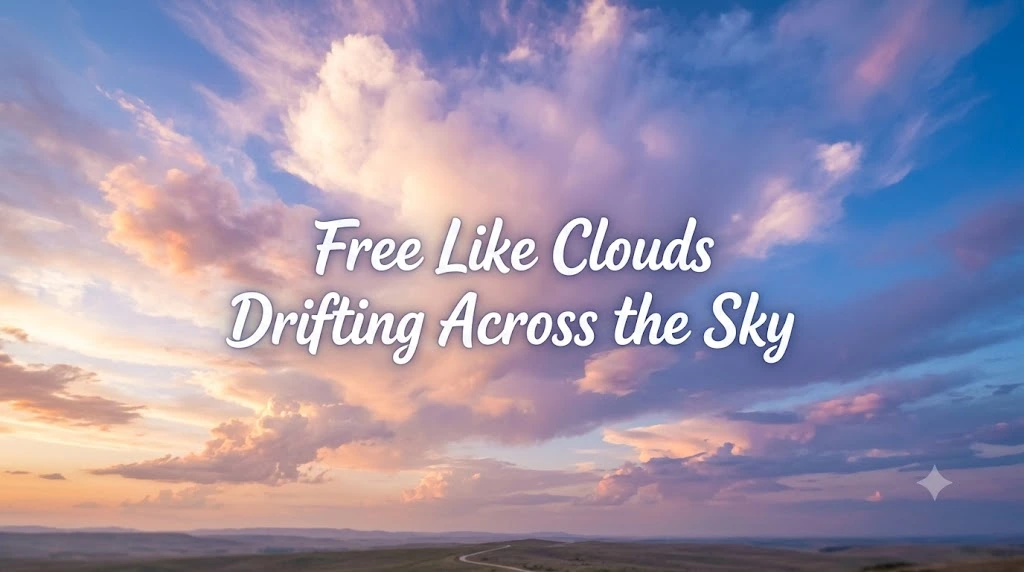
Meaning
Suggests effortless movement without limitations.
Usage Insight
Works beautifully in descriptive and reflective writing.
Examples
- His imagination drifted like clouds across the sky.
- Retirement allowed them to live as freely as wandering clouds.
7. Free as an Eagle Above the Mountains
Meaning
Represents strength, vision, and complete independence.
Usage Insight
Excellent for inspirational speeches and leadership writing.
Examples
- She stood as free as an eagle above the mountains.
- His ambitions soared like an eagle riding the wind.
8. Free Like the Ocean Waves
Meaning
Shows constant movement and unstoppable energy.
Usage Insight
Useful when describing resilience and determination.
Examples
- Her dreams rolled forward like ocean waves.
- His adventurous spirit remained as free as the sea.
9. Free as the First Rain After a Drought
Meaning
Symbolizes relief, renewal, and hope.
Usage Insight
Ideal for emotional or inspirational writing.
Examples
- Winning the scholarship felt like the first rain after a drought.
- Their reunion brought joy as refreshing as long-awaited rain.
10. Free Like Sunlight Through an Open Window
Meaning
Suggests warmth, openness, and unrestricted happiness.
Usage Insight
Perfect for describing optimism and positive change.
Examples
- Her kindness spread like sunlight through an open window.
- He smiled as freely as sunshine filling a room.
11. Free as Leaves Dancing in Autumn Wind
Meaning
Represents carefree movement and acceptance of change.
Usage Insight
Great for seasonal descriptions and reflective essays.
Examples
- The children played like leaves dancing in the autumn wind.
- Her thoughts drifted as freely as falling leaves.
12. Free Like a Deer Running Through the Forest
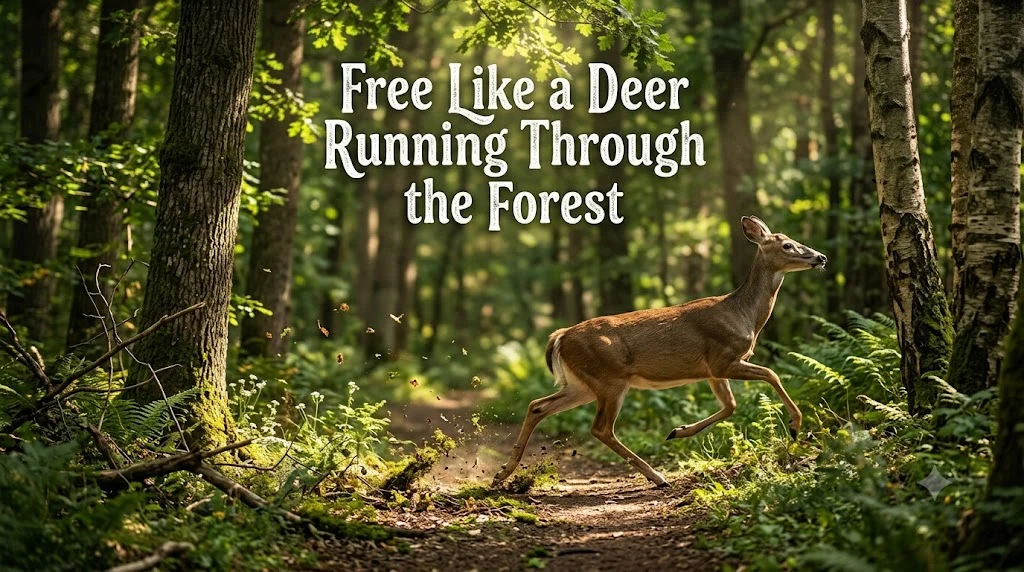
Meaning
Highlights natural freedom, grace, and speed.
Usage Insight
Best for action scenes and nature-inspired writing.
Examples
- He escaped the city like a deer running through the forest.
- She moved as free as wildlife in the wilderness.
13. Free as Stars in the Night Sky
Meaning
Represents limitless possibilities and endless dreams.
Usage Insight
Excellent for romantic, poetic, or inspirational writing.
Examples
- Their hopes glittered like stars across the night sky.
- She imagined a future as free as the countless stars.
14. Free Like a Seed Carried by the Wind
Meaning
Suggests new beginnings, exploration, and opportunity.
Usage Insight
Works well in stories about change and personal growth.
Examples
- After moving abroad, he felt like a seed carried by the wind.
- Her ideas spread as freely as seeds on a spring breeze.
15. Free as the Horizon Beyond the Sea
Meaning
Represents endless opportunities and boundless potential.
Usage Insight
Perfect for motivational writing and hopeful conclusions.
Examples
- The future seemed as free as the horizon beyond the sea.
- Their dreams stretched like the endless horizon.
How to Use Similes Effectively in Writing
Using similes for freedom becomes more powerful when they match the mood and purpose of your writing. Here are a few practical tips:
- Choose similes that fit the emotion you want readers to feel.
- Draw inspiration from nature to create vivid and memorable comparisons.
- Avoid overusing similes; a few strong ones have greater impact.
- Use simple language so readers instantly understand the comparison.
- In poems, let similes create rhythm and emotional imagery.
- In stories, reveal a character’s feelings through meaningful comparisons.
- In essays, use similes sparingly to make complex ideas more relatable.
- In songs, combine similes with emotional language for memorable lyrics.
- In descriptive writing, connect freedom to images readers already recognize, such as birds, rivers, wind, or sunlight.
FAQs
What are similes for freedom?
Similes for freedom are comparisons that use “like” or “as” to describe liberty, independence, hope, or unrestricted movement. Examples include “free as a bird” and “free like the wind.”
What is the difference between a simile and a metaphor?
A simile compares two things using “like” or “as,” while a metaphor makes a direct comparison without those words.
Simile: She was as free as a bird.
Metaphor: She was a bird soaring through life.
Why are similes important in creative writing?
Similes make writing more vivid, emotional, and engaging. They help readers visualize ideas and connect with characters and themes more deeply.
Can I use similes in academic writing?
Yes, but use them carefully. Similes can clarify difficult concepts or make explanations more memorable, especially in presentations, speeches, and educational content.
How can I create original similes for freedom?
Think about natural elements or experiences that represent openness, movement, hope, or independence. Then compare freedom to those images using “like” or “as.”
Conclusion
Using similes for freedom allows writers to express one of humanity’s most cherished ideas with vivid imagery and emotional impact. Whether you compare freedom to a soaring bird, a flowing river, an endless horizon, or the gentle morning breeze, each simile paints a memorable picture that readers can instantly understand. These figurative language examples make poems more expressive, stories more immersive, essays more engaging, and everyday communication more meaningful. By choosing comparisons that naturally fit your message, you can transform simple sentences into powerful expressions of hope, courage, and independence. Practice using these similes in your own writing, experiment with original comparisons, and let your words inspire readers with the limitless beauty of freedom.