
Last night, I stepped outside just as the world had gone quiet. The streets were still, the wind was gentle, and above the rooftops, the moon hung in the dark sky like a glowing pearl. For a moment, I simply stood there watching it, trying to find the right words to describe its beauty. Saying that the moon was “bright” felt too simple, so I began thinking of comparisons that could make its light easier to imagine. It looked as soft as a silver lantern, as radiant as a diamond, and as peaceful as a candle burning in a silent room.
That little moment showed me why similes for the moon can make ordinary descriptions feel magical. A good simile connects the moon to something familiar while adding emotion, color, and imagination to our words. Whether you are writing a poem, story, school assignment, or creative description, moon similes can help readers picture the night more vividly. In this collection, you’ll discover beautiful, creative, and easy comparisons that bring the moon to life.
- Simile for the Moon Is as Bright as a Star
- Simile for the Moon Is as Bright as the Sun
- Simile for the Moon Is as Bright as a Diamond
- Simile for the Moon Is as Bright as a Lantern
- Simile for the Moon Is as Bright as a Silver Coin
- Simile for the Moon Is as Bright as a Glowing Lamp
- Simile for the Moon Is as Bright as a Candle
- Simile for the Moon Is as Bright as a Pearl
- Simile for the Moon Is as Bright as a Beacon
- Simile for the Moon Is as Bright as a Light in the Darkness
- What Is a Good Simile for the Moon Being Bright?
- What Can the Moon Be Compared to in a Simile?
- How Do You Describe the Brightness of the Moon?
- What Is the Moon as Bright as in a Simile?
- Creative Similes for a Bright Moon
- Beautiful Similes to Describe the Moon at Night
- Similes Comparing the Moon to Light
- Best Similes for the Moon’s Brightness
- Short and Easy Similes for a Bright Moon
- Poetic Similes for a Moon Shining Brightly
What Is a Simile?
A simile is a figure of speech that compares two different things using the words like or as. It helps readers understand something by connecting it with a familiar image.
Example:
The moon shone like a silver coin in the dark sky.
This comparison helps readers instantly imagine the moon’s bright, round appearance.
1. The Moon Is Like a Silver Coin
Meaning
This simile compares the moon’s round shape and shiny surface to a polished silver coin.
When to Use It
Use this simile when describing a bright full moon or creating elegant nighttime imagery.
Examples
- The moon hung in the sky like a silver coin above the quiet village.
- She looked up as the moon glittered like a freshly minted silver coin.
2. The Moon Is Like a Gentle Lantern
Meaning
This comparison emphasizes the moon’s soft light that quietly brightens the darkness.
When to Use It
Perfect for peaceful scenes, bedtime stories, or calm nature descriptions.
Examples
- The moon glowed like a gentle lantern guiding travelers home.
- Above the lake, the moon floated like a lantern in the sky.
3. The Moon Is Like a Pearl in the Sky
Meaning
The moon is compared to a beautiful white pearl because of its smooth, glowing appearance.
When to Use It
Ideal for romantic writing, descriptive essays, and elegant poetry.
Examples
- The moon rested like a pearl against the velvet sky.
- She admired the moon shining like a priceless pearl.
4. The Moon Is Like a Watchful Eye
Meaning
This simile suggests the moon silently observes everything below.
When to Use It
Great for mysterious stories or thoughtful reflections.
Examples
- The moon stared like a watchful eye over the sleeping town.
- It felt as though the moon watched them like a silent guardian.
5. The Moon Is Like a Floating Balloon
Meaning
The moon appears light, round, and suspended in the night sky.
When to Use It
Works well in children’s stories and imaginative descriptions.
Examples
- The moon drifted like a floating balloon above the trees.
- A bright moon hovered like a balloon in the evening sky.
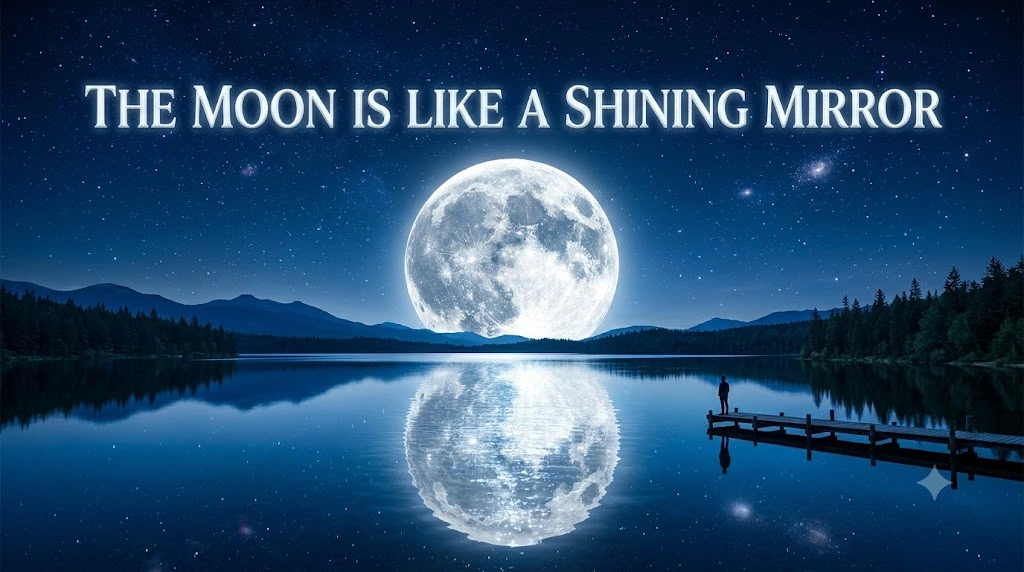
6. The Moon Is Like a Shining Mirror
Meaning
The moon reflects light just as a mirror reflects images.
When to Use It
Useful when describing moonlight on water or bright evenings.
Examples
- The moon gleamed like a shining mirror over the ocean.
- Clouds passed across the moon like shadows over polished glass.
7. The Moon Is Like a Quiet Friend
Meaning
This simile portrays the moon as a comforting and dependable companion.
When to Use It
Perfect for emotional stories and reflective writing.
Examples
- During lonely nights, the moon stayed beside him like a quiet friend.
- She smiled at the moon, which seemed like an old friend.
8. The Moon Is Like a White Rose
Meaning
The moon’s beauty and softness resemble the elegance of a white rose.
When to Use It
Excellent for romantic poetry and artistic descriptions.
Examples
- The moon bloomed like a white rose above the hills.
- Her face glowed beneath the moon like petals beneath morning dew.
9. The Moon Is Like a Sleeping Face
Meaning
This simile suggests calmness, peace, and stillness.
When to Use It
Ideal for bedtime stories and peaceful nighttime scenes.
Examples
- The moon rested like a sleeping face behind thin clouds.
- The calm sky held the moon like a peaceful dream.
10. The Moon Is Like a Diamond
Meaning
The moon shines brilliantly, much like a sparkling diamond.
When to Use It
Use it to emphasize brightness and beauty.
Examples
- The moon sparkled like a diamond above the mountains.
- Tiny stars surrounded the moon like jewels around a diamond.
11. The Moon Is Like a Silent Guardian
Meaning
This comparison highlights the moon’s constant presence during the night.
When to Use It
Suitable for adventure stories and emotional narratives.
Examples
- The moon stood like a silent guardian over the campsite.
- Every evening, the moon appeared like a faithful protector.
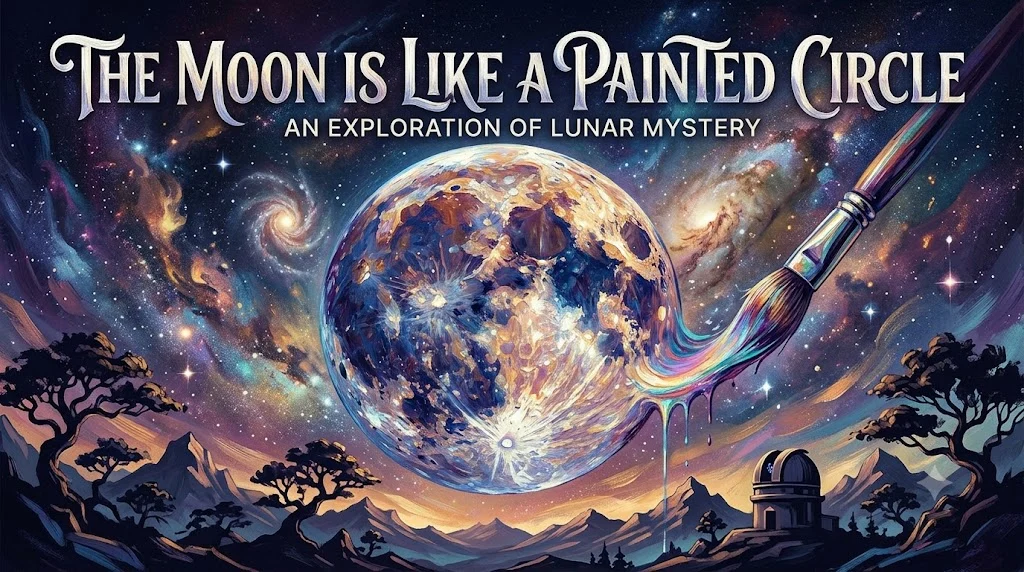
12. The Moon Is Like a Painted Circle
Meaning
The moon appears perfectly round and artistically placed in the sky.
When to Use It
Great for descriptive essays and creative storytelling.
Examples
- The moon looked like a painted circle on a dark canvas.
- It seemed as though an artist had placed the moon in the sky.
13. The Moon Is Like a Soft Candle
Meaning
This simile focuses on the moon’s gentle glow rather than intense brightness.
When to Use It
Excellent for cozy or peaceful settings.
Examples
- The moon burned like a soft candle through the clouds.
- Moonlight spread across the garden like candlelight.
14. The Moon Is Like a Floating Feather
Meaning
The moon appears light and graceful in the night sky.
When to Use It
Perfect for dreamy poems and imaginative descriptions.
Examples
- The moon drifted like a floating feather across the heavens.
- Thin clouds carried the moon like a feather on the wind.
15. The Moon Is Like a Beacon of Hope
Meaning
The moon symbolizes guidance, optimism, and reassurance during dark times.
When to Use It
Ideal for inspirational writing and motivational stories.
Examples
- The moon shone like a beacon of hope after the storm.
- Even on difficult nights, the moon remained like a light of hope.
How to Use Similes Effectively in Writing
Using similes for the moon can make your writing more vivid, emotional, and memorable. Here are some practical tips:
- Choose similes that fit the mood of your writing.
- Avoid using too many similes in one paragraph to keep descriptions natural.
- Mix nature similes with emotional comparisons to create richer imagery.
- Use moon similes in poems to create rhythm and beauty.
- Include them in stories to help readers visualize nighttime scenes.
- Add similes to essays when discussing literature or figurative language.
- Songwriters can use moon comparisons to express love, hope, mystery, or longing.
- Practice creating your own comparisons by observing the moon in different seasons and weather conditions.
FAQs
What are the best similes for the moon?
Some popular similes for the moon include like a silver coin, like a pearl in the sky, like a gentle lantern, like a diamond, and like a beacon of hope. Each creates a different emotional effect.
What is the difference between a simile and a metaphor?
A simile compares two things using like or as, while a metaphor states that one thing is another without using comparison words.
Simile: The moon is like a silver coin.
Metaphor: The moon is a silver coin.
Why are moon similes useful in creative writing?
Moon similes create strong visual imagery, improve descriptions, and help readers connect emotionally with nighttime scenes, characters, and themes.
Can I use moon similes in academic writing?
Yes. They work well when analyzing literature, discussing figurative language examples, or explaining imagery. However, they should be used sparingly in formal academic essays unless the assignment encourages creative language.
How can I create original similes for the moon?
Observe the moon’s shape, brightness, color, and movement. Compare those qualities to familiar objects, emotions, or elements of nature while making sure the comparison feels natural and meaningful.
Conclusion
The moon has always given writers, poets, and dreamers something beautiful to describe. Its gentle glow, changing shapes, and peaceful presence can turn an ordinary night into a memorable scene. Using similes for the moon allows us to capture that beauty in a way that simple descriptions often cannot. When we compare the moon to a pearl, lantern, diamond, silver coin, or glowing lamp, readers can create a clearer picture in their minds. These comparisons also help express different emotions, from peace and wonder to loneliness and romance.
The best moon similes are not simply about making writing sound fancy; they help readers feel and imagine the moment. A carefully chosen comparison can make a poem more emotional, a story more vivid, or a school assignment more creative. Whether you are describing a full moon shining over a quiet village or a thin crescent appearing above the trees, there is always a creative comparison waiting to be used. So, the next time you look at the moon, pause for a moment and ask yourself what it reminds you of. Your answer might become the perfect simile.
Discover More Posts
- 250+ Similes for Flirting
- 250+ Similes for a Beautiful Woman
- 175 + Powerful Similes for a Handsome Man