
One cool morning, I stepped outside and noticed that the world had quietly changed overnight. The leaves that had been green only weeks before were now glowing in shades of gold, orange, red, and brown. A gentle breeze moved through the trees, sending leaves swirling across the path like tiny dancers. I walked slowly, listening to their soft crunch beneath my feet, and realized how difficult it was to capture autumn’s beauty with ordinary words. Simply saying “the leaves were colorful” did not seem enough. That is when similes for autumn came to mind. Autumn can be compared to a golden painting, a warm blanket, a fading sunset, or a graceful farewell from summer. These comparisons help readers imagine the colors, sounds, feelings, and atmosphere of the season in a more vivid way. Similes are perfect for poems, stories, essays, nature descriptions, and creative writing because they turn familiar scenes into memorable images. Whether you are describing falling leaves, cool air, autumn sunsets, or cozy evenings, the right comparison can make your writing feel alive. In this guide, you will discover creative similes for autumn that bring the magic of the season to life.
What Is a Simile?
A simile is a figure of speech that compares two different things using the words “like” or “as.” It helps readers understand an idea more clearly by connecting it to something familiar.
Example: The autumn leaves danced like golden butterflies in the wind.
This comparison helps readers imagine the graceful movement of falling leaves.
As Golden as a Painter’s Masterpiece
Meaning
Usage Insight
Autumn appears rich, colorful, and artistically beautiful.
This simile works well when describing vibrant fall landscapes filled with yellow, orange, and red leaves.
Examples
- The valley looked as golden as a painter’s masterpiece beneath the afternoon sun.
- The forest became as golden as a painter’s masterpiece during peak autumn.
Like a Blanket of Amber Dreams
Meaning
Autumn creates a warm, comforting, and peaceful atmosphere.
Usage Insight
Use this simile when describing leaf-covered parks, gardens, or countryside scenes.
Examples
- The fallen leaves spread across the ground like a blanket of amber dreams.
- The woodland path rested quietly like a blanket of amber dreams after the wind settled.
As Crisp as a Freshly Turned Page
Meaning
The air feels cool, refreshing, and full of new possibilities.
Usage Insight
Ideal for descriptions of autumn mornings and seasonal transitions.
Examples
- The morning air was as crisp as a freshly turned page.
- Autumn arrived with weather as crisp as a freshly turned page in a new book.
Like Nature’s Farewell Symphony
Meaning
Autumn marks a beautiful and emotional transition before winter.
Usage Insight
Perfect for reflective or poetic writing about seasonal change.
Examples
- The rustling leaves sounded like nature’s farewell symphony.
- Every sunset felt like nature’s farewell symphony before winter’s arrival.
As Colorful as a Festival Parade
Meaning
Autumn displays a vibrant mixture of colors.
Usage Insight
Best used when highlighting the visual beauty of changing leaves.
Examples
- The hillside was as colorful as a festival parade in October.
- The trees stood as colorful as a festival parade beneath the blue sky.
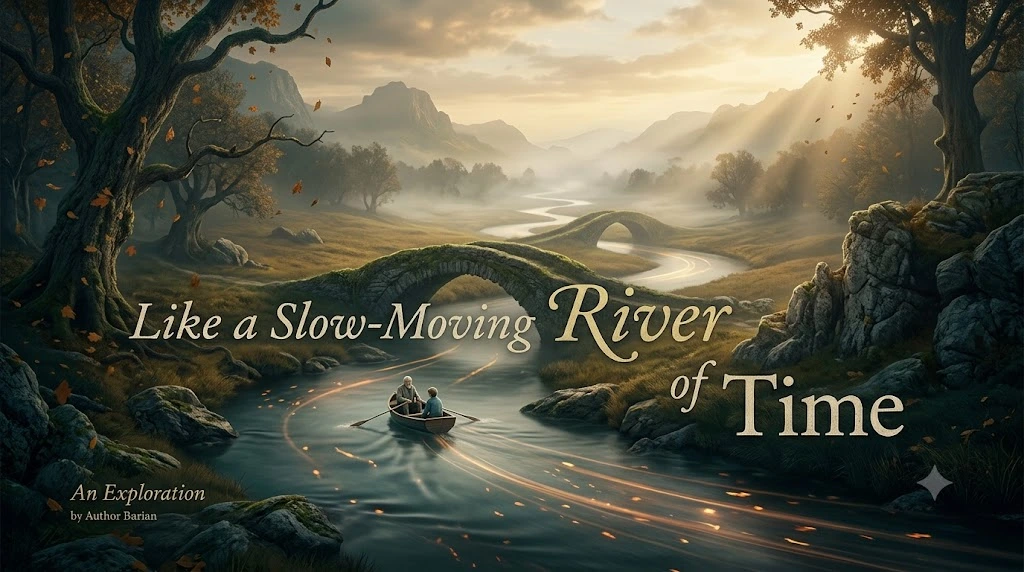
Like a Slow-Moving River of Time
Meaning
Autumn often symbolizes reflection, maturity, and the passage of time.
Usage Insight
Useful in essays, poetry, and thoughtful narratives.
Examples
- The season drifted by like a slow-moving river of time.
- Each falling leaf seemed to float like a slow-moving river of time.
As Gentle as a Whispering Memory
Meaning
Autumn evokes calmness and nostalgia.
Usage Insight
Excellent for emotional or reflective descriptions.
Examples
- The breeze felt as gentle as a whispering memory.
- Autumn evenings are often as gentle as a whispering memory from childhood.
Like a Canvas Painted by the Sun
Meaning
The season showcases brilliant natural colors.
Usage Insight
Great for descriptive and creative writing focused on scenery.
Examples
- The forest looked like a canvas painted by the sun.
- Every tree appeared like a canvas painted by the sun’s warm brushstrokes.
As Peaceful as a Sleeping Meadow
Meaning
Autumn brings quietness and tranquility.
Usage Insight
Works well when describing rural landscapes and calm outdoor settings.
Examples
- The countryside was as peaceful as a sleeping meadow.
- The autumn afternoon felt as peaceful as a sleeping meadow after rain.
Like Leaves Dancing on Invisible Strings
Meaning
Falling leaves move gracefully through the air.
Usage Insight
Perfect for vivid visual imagery in stories and poems.
Examples
- The leaves floated down like dancers on invisible strings.
- Outside the window, autumn leaves twirled like leaves dancing on invisible strings.
As Rich as an Old Storybook
Meaning
Autumn is filled with depth, character, and timeless beauty.
Usage Insight
Ideal for literary and nostalgic descriptions.
Examples
- The season felt as rich as an old storybook.
- The ancient forest appeared as rich as an old storybook filled with legends.
Like a Warm Cup of Comfort

Meaning
Autumn creates feelings of coziness and relaxation.
Usage Insight
Useful when describing the emotional side of the season.
Examples
- Autumn evenings feel like a warm cup of comfort after a long day.
- The season wrapped around us like a warm cup of comfort.
As Bright as Burnished Copper
Meaning
The colors of autumn shine with warmth and brilliance.
Usage Insight
Best for describing leaves illuminated by sunlight.
Examples
- The maple leaves were as bright as burnished copper.
- The treetops glowed as bright as burnished copper in the evening light.
Like a Quiet Conversation with Nature
Meaning
Autumn encourages reflection and connection with the natural world.
Usage Insight
Excellent for personal essays and thoughtful narratives.
Examples
- Walking through the forest felt like a quiet conversation with nature.
- The stillness of autumn was like a quiet conversation with nature itself.
As Magical as a Forest of Firelight
Meaning
Autumn landscapes appear enchanting and almost dreamlike.
Usage Insight
Perfect for imaginative writing and poetic descriptions.
Examples
- The woods looked as magical as a forest of firelight.
- At sunset, the trees became as magical as a forest of firelight.
How to Use Similes Effectively in Writing
Similes are powerful tools that can transform ordinary descriptions into vivid and memorable imagery. Here are some practical tips for using them effectively:
Poetry
- Use similes to create emotion and sensory detail.
- Connect natural elements with human experiences.
- Avoid overusing comparisons in a single poem.
In Stories
- Use similes to reveal character emotions and settings.
- Match the comparison to the tone of the scene.
- Keep comparisons natural and easy to understand.
Essays
- Use similes sparingly to clarify complex ideas.
- Choose comparisons that support your main point.
- Ensure the imagery remains relevant to the topic.
In Songs
- Create memorable lines through relatable comparisons.
- Use rhythm-friendly similes that fit the flow of lyrics.
- Focus on emotional impact and imagery.
In Creative Descriptions
- Draw inspiration from nature, seasons, and everyday experiences.
- Use original comparisons instead of clichés.
- Engage multiple senses to strengthen imagery.
FAQs About Similes for Autumn
What are similes for autumn?
Similes for autumn are comparisons that describe the season using the words “like” or “as.” They help create vivid imagery and make writing more expressive.
What is an example of an autumn simile?
A common example is: “The autumn leaves fluttered like golden butterflies in the wind.”
What is the difference between a simile and a metaphor?
A simile compares two things using “like” or “as,” while a metaphor directly states that one thing is another without using comparison words.
Why are similes important in creative writing?
Similes help readers visualize scenes, understand emotions, and connect more deeply with the writer’s message.
Can similes be used in academic writing?
Yes. While they should be used sparingly, similes can clarify ideas and make explanations more engaging when appropriate.
Conclusion
Autumn is a season filled with change, beauty, and quiet emotion, and similes for autumn help us capture these feelings in a more vivid way. From golden leaves drifting like tiny flames to cool winds whispering like old friends, similes can turn ordinary autumn scenes into memorable images. They allow writers, students, poets, and storytellers to describe the season with greater creativity and depth. Autumn can feel peaceful like a soft song, colorful like an artist’s palette, or mysterious like a fading dream.
These comparisons make descriptions easier to imagine while giving simple words a stronger emotional impact. Whether you are writing about falling leaves, crisp mornings, cloudy skies, warm drinks, or shorter evenings, the right simile can bring your writing to life. The best similes do more than compare two things; they help readers see, feel, and experience the moment. So, the next time autumn arrives with its golden colors and gentle chill, use creative comparisons to express its unique charm. With the right similes for autumn, even a simple seasonal description can become vivid, meaningful, and unforgettable..
Discover More Posts
- 250+ Powerful Examples of Similes
- 250+ Powerful Similes for Dark
- 250+ Powerful Similes for Different