
The ocean has inspired writers, poets, and storytellers for centuries with its beauty, mystery, and immense power. One of the best ways to describe the sea vividly is through similes. Similes help readers picture scenes more clearly by comparing one thing to another using words such as “like” or “as.” They are an essential part of figurative language because they create strong mental images and add emotional depth to writing.
Nature, including oceans and trees, often serves as a rich source of inspiration for similes. Trees are powerful symbols of strength, growth, resilience, wisdom, and human emotion, while the ocean often represents freedom, mystery, change, and endless possibility. By using creative comparisons, writers can transform simple descriptions into memorable experiences. In this guide, you will discover powerful similes for the ocean, learn their meanings, and explore practical ways to use them effectively in your own writing.
What Is a Simile?
A simile is a figure of speech that compares two different things using the words “like” or “as.” The purpose of a simile is to make descriptions more vivid, relatable, and engaging.
Example:
The ocean shimmered like a field of diamonds beneath the morning sun.
This comparison helps readers visualize the sparkling water more clearly than a plain description would.
As Endless as a Dream
Meaning
This simile highlights the vast and seemingly limitless nature of the ocean.
Usage Insight
Use this comparison when describing the horizon, open water, or feelings of wonder and possibility.
Examples
- The ocean stretched before us as endless as a dream, disappearing into the distant sky.
- Standing on the shore, she felt her worries fade into a sea as endless as a dream.
Like a Sleeping Giant
Meaning
The ocean may appear calm and peaceful while still holding tremendous hidden power.
Usage Insight
This simile works well when describing tranquil seas that could become stormy at any moment.
Examples
- The ocean lay like a sleeping giant beneath the pale morning light.
- From the cliff, the sea looked like a sleeping giant resting between storms.
As Blue as a Sapphire
Meaning
This comparison emphasizes the rich, deep blue color of the ocean.
Usage Insight
Ideal for scenic descriptions and travel writing.
Examples
- The water was as blue as a sapphire under the cloudless sky.
- We sailed across an ocean as blue as a sapphire all afternoon.
Like a Mirror of the Sky
Meaning
The ocean reflects the colors and moods of the sky above it.
Usage Insight
Use this simile when describing calm waters and peaceful landscapes.
Examples
- At sunrise, the ocean became like a mirror of the sky.
- The still sea looked like a mirror of the sky painted in shades of gold and pink.
As Restless as a Wandering Spirit
Meaning
The ocean is constantly moving, shifting, and changing.
Usage Insight
Perfect for describing waves, tides, and dynamic coastal scenes.
Examples
- The ocean was as restless as a wandering spirit throughout the night.
- Even on calm days, the sea seemed as restless as a wandering spirit.
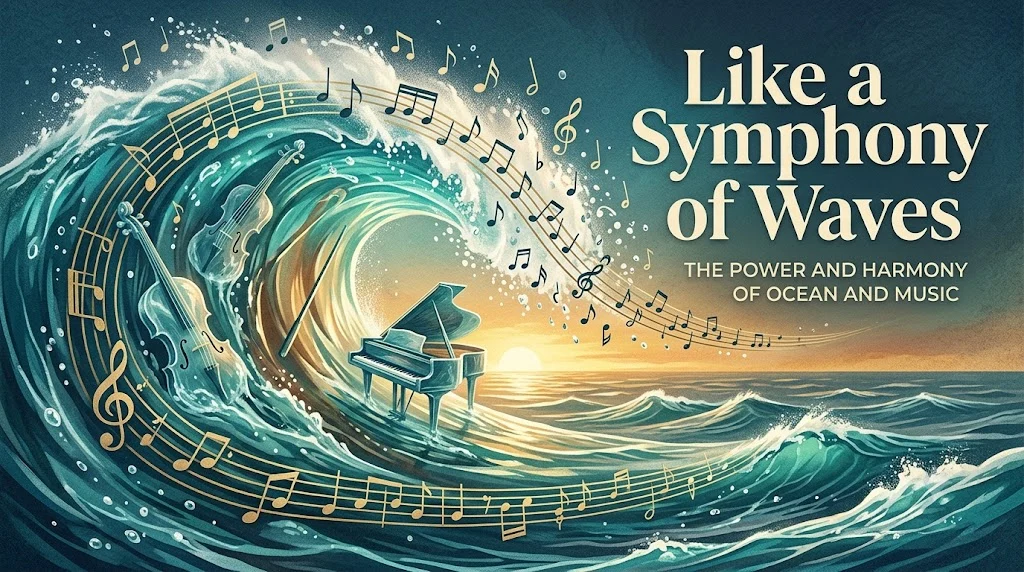
Like a Symphony of Waves
Meaning
The sounds of the ocean blend together like beautiful music.
Usage Insight
Use this simile when focusing on the soothing or rhythmic sounds of the sea.
Examples
- The shoreline echoed like a symphony of waves at dusk.
- We fell asleep listening to the ocean, like a symphony of waves beyond the window.
As Powerful as a Charging Bull
Meaning
This simile highlights the immense force and energy of the ocean.
Usage Insight
Effective for storm scenes and dramatic descriptions.
Examples
- During the storm, the ocean became as powerful as a charging bull.
- The crashing surf was as powerful as a charging bull racing across a field.
Like Liquid Glass
Meaning
The ocean appears perfectly smooth, clear, and reflective.
Usage Insight
Best used when describing exceptionally calm seas.
Examples
- At dawn, the water stretched before us like liquid glass.
- The bay looked like liquid glass beneath the soft sunlight.
As Mysterious as an Ancient Secret
Meaning
The ocean contains countless unknown depths and hidden wonders.
Usage Insight
Useful for adventure stories, mysteries, and reflective writing.
Examples
- The deep ocean felt as mysterious as an ancient secret.
- Its dark waters seemed as mysterious as an ancient secret waiting to be uncovered.
Like a Painter’s Canvas
Meaning
The ocean displays a wide range of colors and moods.
Usage Insight
Ideal for describing sunsets, sunrises, and changing weather conditions.
Examples
- At sunset, the ocean looked like a painter’s canvas covered in brilliant colors.
- The sea became like a painter’s canvas brushed with orange and purple light.
As Wild as Untamed Fire
Meaning
The ocean can be fierce, unpredictable, and uncontrollable.
Usage Insight
Excellent for stormy or dramatic ocean descriptions.
Examples
- The waves grew as wild as untamed fire during the hurricane.
- The ocean was as wild as untamed fire beneath the dark clouds.
Like a Giant Breathing
Meaning
The rise and fall of waves resembles the steady breathing of a living creature.
Usage Insight
Creates a sense of life and movement within nature.
Examples
- The ocean moved like a giant breathing in the moonlight.
- From the shore, the rhythmic tides sounded like a giant breathing peacefully.
As Deep as Human Emotion
Meaning
The ocean symbolizes profound feelings and experiences.
Usage Insight
Useful in poetry, reflective essays, and emotional storytelling.
Examples
- Her thoughts were as deep as human emotion and as vast as the ocean itself.
- The sea appeared as deep as human emotion beneath the gray sky.
Like a Treasure Chest of Wonders
Meaning
The ocean contains countless fascinating discoveries.
Usage Insight
Works well in educational, travel, and adventure writing.
Examples
- The coral reef was like a treasure chest of wonders beneath the waves.
- Scientists view the ocean as a treasure chest of wonders still waiting to be explored.
As Timeless as the Stars
Meaning
The ocean has existed for ages and remains a constant part of Earth.
Usage Insight
Perfect for philosophical and descriptive writing.
Examples
- The ocean felt as timeless as the stars above it.
- Standing on the beach, he sensed a sea as timeless as the stars.
Like a Guardian of the Earth
Meaning
The ocean protects and sustains life across the planet.
Usage Insight
Effective in environmental and nature-focused writing.
Examples
- The ocean stands like a guardian of the Earth, supporting countless ecosystems.
- Many coastal communities depend on the sea, which acts like a guardian of the Earth.
How to Use Similes Effectively in Writing
Similes can make your writing more memorable and engaging when used thoughtfully. Here are some practical tips:
Choose Relevant Comparisons
Select comparisons that naturally fit the mood, setting, or theme of your writing.
Appeal to the Senses
Use similes that help readers see, hear, feel, smell, or even taste what you are describing.
Avoid Overusing Similes
A few strong similes often create a greater impact than too many comparisons in one passage.
Match the Tone
Gentle similes work best for peaceful scenes, while stronger comparisons suit dramatic moments.
Use Similes in Different Forms of Writing
- Poems: Create emotion and imagery.
- Stories: Develop settings and characters.
- Essays: Make explanations more engaging.
- Songs: Add rhythm and memorable visuals.
- Creative Descriptions: Bring scenes to life with vivid detail.
FAQs About Similes for the Ocean
What are similes for the ocean?
Similes for the ocean are comparisons that describe the sea using “like” or “as,” such as “as blue as a sapphire” or “like a sleeping giant.”
Why are ocean similes popular in literature?
The ocean is vast, beautiful, and emotionally symbolic, making it an excellent subject for vivid figurative language and creative comparisons.
What is the difference between a simile and a metaphor?
A simile uses words such as “like” or “as” to make a comparison, while a metaphor directly states that one thing is another.
Can similes be used in academic writing?
Yes, when used carefully. Similes can clarify complex ideas and make explanations easier to understand, though they are more common in creative writing.
How do similes improve creative writing?
Similes enhance imagery, create emotional connections, and help readers visualize scenes more effectively.
Conclusion
Powerful similes for the ocean allow writers to capture the sea’s beauty, strength, mystery, and endless wonder in a way that readers can instantly imagine and feel. Whether you describe the ocean as a sleeping giant, a mirror of the sky, or a treasure chest of wonders, these comparisons add color, depth, and emotional resonance to your writing. By understanding how similes work and using them thoughtfully, you can transform ordinary descriptions into vivid, memorable experiences. The next time you write about the sea, experiment with creative ocean similes and discover how figurative language can make every sentence more engaging, expressive, and impactful.