
Have you ever tried explaining something to a child, only to have them burst into laughter because of a silly comparison? I still remember the first time I told a young family member that he was “as busy as a bee.” Instead of asking what I meant, he started pretending to buzz around the room, turning a simple sentence into a hilarious game. That moment reminded me that children don’t just understand funny similes—they truly enjoy them. A playful comparison can make an ordinary conversation feel exciting, help kids remember new words, and encourage them to think creatively. Whether you’re a parent, teacher, or simply someone who loves making children smile, funny similes are a wonderful way to add humor to everyday language. They make stories more colourful, classroom lessons more engaging, and family conversations far more entertaining. In this guide, you’ll discover a collection of funny similes for kids that are easy to understand, fun to use, and perfect for sparking laughter while building strong language skills.
- What Are the Best Similes for Fun?
- Funny Similes for Everyday Conversations
- Creative Similes for Fun Writing
- Similes for Fun Activities
- Similes for Having Fun with Friends
- Short Similes for Fun
- Cute Similes for Fun Moments
- Famous Similes for Fun in Literature
- Nature-Inspired Similes for Fun
- Similes for Fun and Laughter
- Similes for Fun for Kids
- Unique Similes for Fun
- Positive Similes for Fun Experiences
- Similes for Fun in School
- Similes for Fun Games and Sports
- Easy Similes for Fun Learning
- Romantic Similes for Fun Times
- Similes for Fun in Poems
- How to Use Similes for Fun in Creative Writing
- Examples of Similes for Fun
What Is a Simile?
A simile is a figure of speech that compares two different things using the words “like” or “as.” The purpose of a simile is to make descriptions clearer, more interesting, and easier to imagine.
Example: He was as busy as a bee preparing for the school play.
This comparison helps readers quickly understand that the person was extremely active and hardworking.
As Silly as a Squirrel Wearing Sunglasses
Meaning: Someone acting in a very funny, goofy, or ridiculous way.
Usage Insight: This simile works well when describing playful behavior that makes others laugh.
Examples:
- My little brother was as silly as a squirrel wearing sunglasses during the family picnic.
- The clown looked as silly as a squirrel wearing sunglasses while performing tricks.
Like a Penguin Trying to Dance Ballet
Meaning: Awkward, clumsy, or struggling to do something gracefully.
Usage Insight: Perfect for humorous descriptions of someone learning a new skill.
Examples:
- I felt like a penguin trying to dance ballet during my first dance lesson.
- The puppy moved like a penguin trying to dance ballet across the slippery floor.
As Bouncy as a Kangaroo on a Trampoline
Meaning: Full of energy and constantly moving.
Usage Insight: Great for describing excited children or energetic characters.
Examples:
- Emma was as bouncy as a kangaroo on a trampoline after hearing the good news.
- The students became as bouncy as a kangaroo on a trampoline before recess.
Like a Monkey Juggling Bananas
Meaning: Extremely busy or trying to handle many things at once.
Usage Insight: Useful for showing cheerful chaos in stories and descriptions.
Examples:
- Dad looked like a monkey juggling bananas while preparing dinner.
- The teacher felt like a monkey juggling bananas during the busy school event.
As Noisy as a Flock of Ducks at a Birthday Party
Meaning: Very loud and full of chatter.
Usage Insight: Ideal for describing lively gatherings and energetic groups.
Examples:
- The classroom was as noisy as a flock of ducks at a birthday party.
- The cousins became as noisy as a flock of ducks at a birthday party after lunch.
Like a Cat Chasing Its Own Shadow
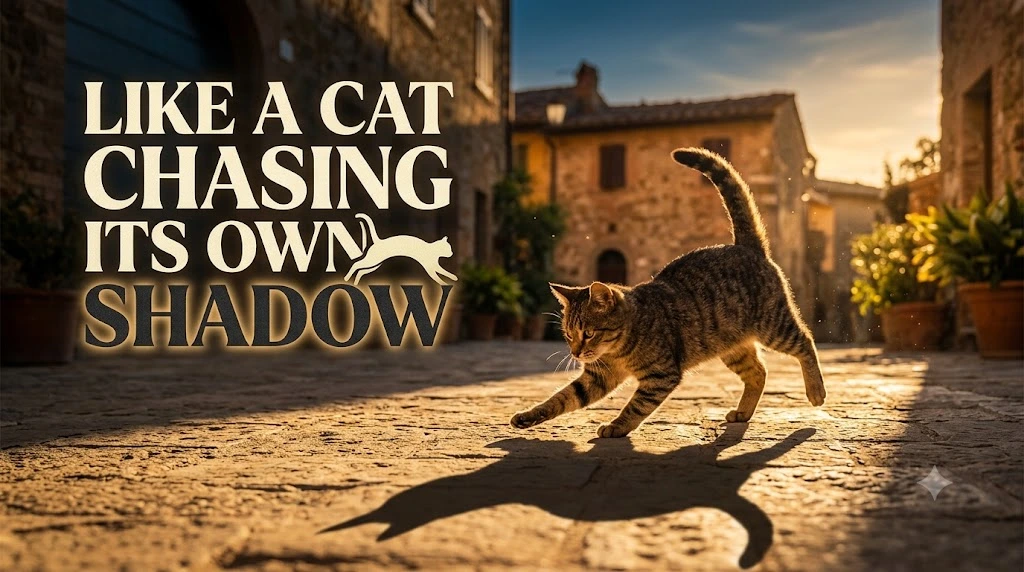
Meaning: Acting in a playful or pointless way.
Usage Insight: Works well when describing amusing behavior that lacks a clear purpose.
Examples:
- The kitten ran around like a cat chasing its own shadow.
- My little cousin spent the afternoon like a cat chasing its own shadow.
As Confused as a Fish in a Treehouse
Meaning: Completely puzzled or unsure.
Usage Insight: A humorous comparison for moments of confusion.
Examples:
- I was as confused as a fish in a treehouse when I saw the tricky puzzle.
- The character looked as confused as a fish in a treehouse after hearing the strange news.
Like a Chicken Reading a Map
Meaning: Unsure of what to do or where to go.
Usage Insight: Great for describing characters who are lost or uncertain.
Examples:
- We wandered around like a chicken reading a map in the giant museum.
- He stood like a chicken reading a map when the directions became confusing.
As Happy as a Frog at a Splash Contest
Meaning: Extremely joyful and excited.
Usage Insight: Useful in positive and cheerful writing.
Examples:
- Maya was as happy as a frog at a splash contest when school ended.
- The children were as happy as a frog at a splash contest during summer vacation.
Like a Bear Trying to Tiptoe
Meaning: Attempting to be quiet but not succeeding.
Usage Insight: Adds humor to scenes involving sneaking or hiding.
Examples:
- My brother moved like a bear trying to tiptoe through the hallway.
- The puppy crept like a bear trying to tiptoe toward the cookie jar.
As Wiggly as a Worm on Roller Skates
Meaning: Constantly moving and unable to stay still.
Usage Insight: Excellent for describing restless children.
Examples:
- The toddler was as wiggly as a worm on roller skates during the ceremony.
- Jake became as wiggly as a worm on roller skates while waiting in line.
Like an Octopus Playing the Drums
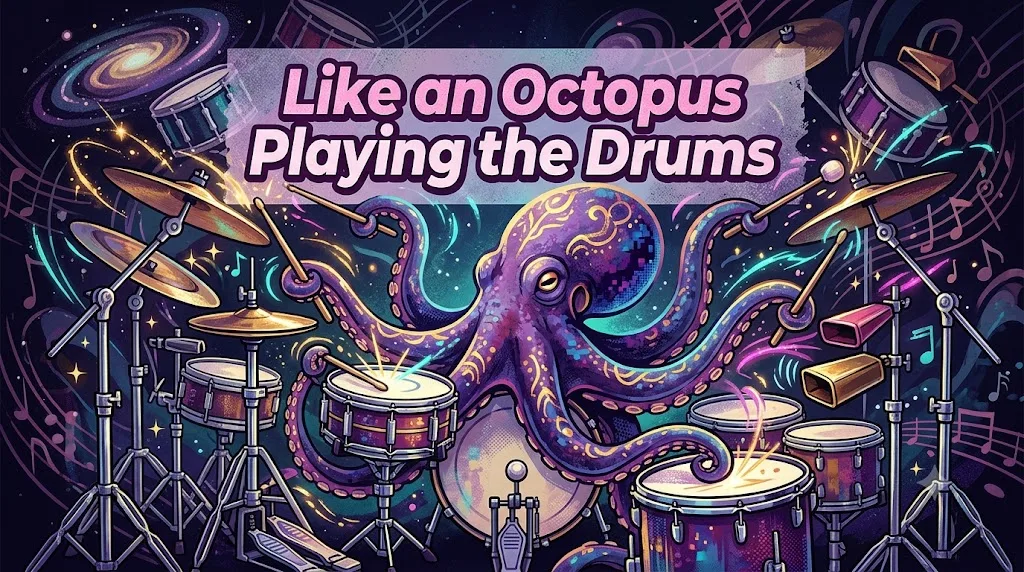
Meaning: Managing many activities at the same time.
Usage Insight: Works well when highlighting multitasking in a funny way.
Examples:
- Mom looked like an octopus playing the drums while getting everyone ready.
- The event organizer was like an octopus playing the drums throughout the celebration.
As Giggly as a Hyena Hearing Jokes
Meaning: Laughing frequently and uncontrollably.
Usage Insight: Perfect for humorous stories and playful scenes.
Examples:
- Sarah was as giggly as a hyena hearing jokes during the comedy show.
- The friends became as giggly as a hyena hearing jokes after the funny mistake.
Like a Turtle in a Rocket Ship
Meaning: Moving too slowly in a fast-paced situation.
Usage Insight: Useful for describing someone who cannot keep up.
Examples:
- I felt like a turtle in a rocket ship during the fast soccer game.
- The new computer seemed like a turtle in a rocket ship compared to the others.
As Curious as a Raccoon in a Toy Store
Meaning: Eager to explore and discover new things.
Usage Insight: Excellent for describing adventurous and inquisitive personalities.
Examples:
- Lily was as curious as a raccoon in a toy store during the science fair.
- The young explorer looked as curious as a raccoon in a toy store.
How to Use Similes Effectively in Writing
Using similes well can make writing more memorable and engaging. Here are some practical tips:
- Choose relatable comparisons: Readers understand similes more easily when they compare familiar things.
- Match the mood: Funny similes work best in lighthearted stories, while serious similes suit emotional writing.
- Avoid overusing them: A few strong similes create a bigger impact than too many comparisons.
- Use sensory details: Similes that connect to sights, sounds, smells, tastes, or feelings create vivid imagery.
- Strengthen poems and songs: Similes help create rhythm, emotion, and memorable lines.
- Improve stories: They make characters, settings, and actions easier to imagine.
- Enhance essays: Appropriate figurative language can make descriptive essays more engaging.
- Be original: Creative comparisons often leave a lasting impression on readers.
FAQs About Funny Similes for Kids
What are funny similes for kids?
Funny similes for kids are playful comparisons that use “like” or “as” to describe people, animals, actions, or situations in a humorous and imaginative way.
What is the difference between a simile and a metaphor?
A simile uses words such as “like” or “as” to compare two things, while a metaphor directly states that one thing is another without using comparison words.
Why are similes important in figurative language?
Similes make writing more vivid, interesting, and descriptive. They help readers understand ideas through clear and memorable comparisons.
Can children use similes in school assignments?
Yes. Similes are commonly used in creative writing, poetry, descriptive essays, and storytelling activities to improve expression and imagery.
Are similes used in literature?
Absolutely. Similes appear frequently in literature because they help authors create strong visual images, express emotions, and make descriptions more engaging.
Conclusion
Funny similes for kids do much more than make children laugh—they turn everyday language into memorable learning experiences. A simple comparison can help young minds understand new ideas, improve vocabulary, and build confidence in speaking and writing. Whether used during story time, in the classroom, or around the dinner table, these playful expressions encourage children to think creatively and see the world from a fresh perspective. They also make reading more enjoyable by adding humor and imagination to ordinary situations.
The best part about funny similes is that there are no limits to creativity. Kids can enjoy classic comparisons or even invent their own unique similes based on animals, nature, food, or their favourite activities. This not only strengthens language skills but also inspires original thinking and self-expression. By using funny similes regularly, parents and teachers can make learning feel less like a lesson and more like an exciting adventure. Keep exploring new comparisons, encourage children to create their own, and watch their imagination grow with every smile, laugh, and story they share.