
Being something—whether strong, calm, kind, confident, or resilient—is often difficult to describe with ordinary words alone. This is where similes become valuable tools for writers and speakers. Similes help readers visualize emotions, personalities, and experiences through vivid comparisons. They bring life to descriptions and make language more memorable.
In figurative language, similes create connections between familiar images and abstract ideas. Many writers use nature-inspired comparisons because natural elements carry deep symbolic meaning. Trees, rivers, mountains, and stars often represent strength, growth, wisdom, endurance, and human emotion. By using good similes for being, you can make your writing more expressive, engaging, and emotionally powerful.
What Is a Simile?
A simile is a figure of speech that compares two different things using the words “like” or “as.” It helps readers understand an idea by relating it to something familiar.
Example:
She was as steady as a mountain during the crisis.
This simile compares a person’s calmness and reliability to the stability of a mountain, creating a strong mental image.
As Steady as an Ancient Oak
Meaning
Being dependable, strong, and unwavering through challenges.
Usage Insight
This simile works well when describing someone who remains reliable despite difficult circumstances.
Examples
- He was as steady as an ancient oak while everyone else panicked.
- Throughout the company’s struggles, she remained as steady as an ancient oak.
Like a River Finding Its Way
Meaning
Being adaptable and persistent when facing obstacles.
Usage Insight
Use this simile when describing determination combined with flexibility.
Examples
- She moved through life’s difficulties like a river finding its way.
- His career developed like a river finding its way through rocky terrain.
As Bright as the Morning Sun
Meaning
Being cheerful, optimistic, and full of positive energy.
Usage Insight
Ideal for describing joyful personalities or uplifting moods.
Examples
- Her smile was as bright as the morning sun.
- He entered the room as bright as the morning sun after receiving the good news.
Like a Tree Rooted Deep in the Earth
Meaning
Being grounded, stable, and connected to one’s values.
Usage Insight
Useful when emphasizing integrity and emotional stability.
Examples
- Despite fame, she remained like a tree rooted deep in the earth.
- His principles kept him like a tree rooted deep in the earth.
As Calm as a Silent Lake
Meaning
Being peaceful and emotionally balanced.
Usage Insight
Perfect for describing composure during stressful situations.
Examples
- She appeared as calm as a silent lake before the presentation.
- His voice remained as calm as a silent lake during the debate.
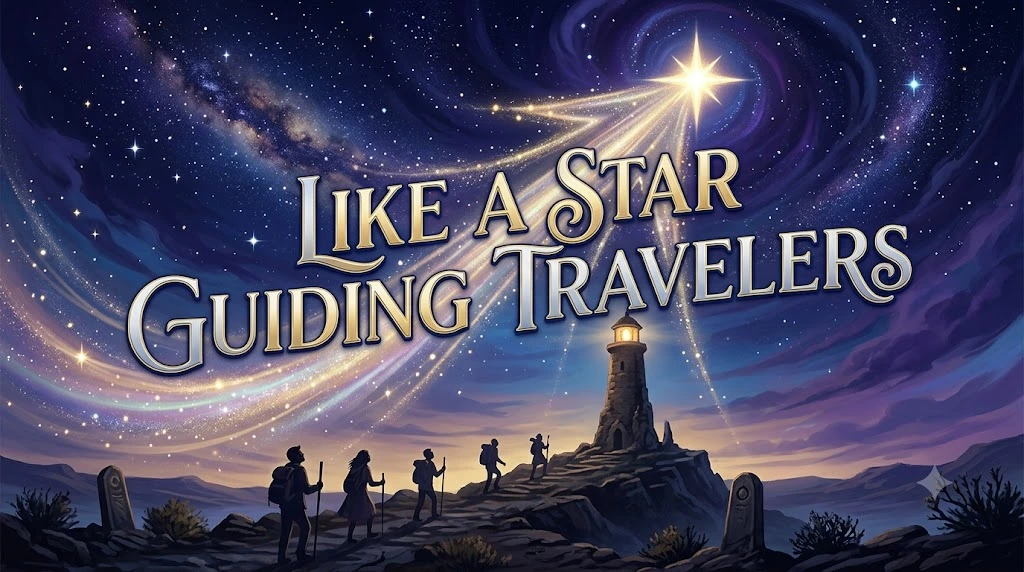
Like a Star Guiding Travelers
Meaning
Being inspiring, helpful, and dependable.
Usage Insight
Use this simile for mentors, leaders, or role models.
Examples
- My teacher was like a star guiding travelers through uncertainty.
- She became like a star guiding travelers in her community.
As Strong as a Mountain Peak
Meaning
Being physically or emotionally resilient.
Usage Insight
Excellent for portraying endurance and courage.
Examples
- After years of hardship, he stood as strong as a mountain peak.
- Her determination was as strong as a mountain peak.
Like a Seed Reaching for Sunlight
Meaning
Being eager to grow and improve.
Usage Insight
Works well when discussing personal development and ambition.
Examples
- She approached every opportunity like a seed reaching for sunlight.
- His curiosity grew like a seed reaching for sunlight.
As Gentle as a Spring Breeze
Meaning
Being kind, caring, and considerate.
Usage Insight
Useful for describing compassionate individuals.
Examples
- Her words were as gentle as a spring breeze.
- He handled the situation as gentle as a spring breeze.
Like a Lighthouse in a Storm
Meaning
Being a source of guidance during difficult times.
Usage Insight
Ideal for highlighting leadership and support.
Examples
- During the crisis, she was like a lighthouse in a storm.
- His advice served like a lighthouse in a storm for the entire team.
As Free as a Bird Riding the Wind
Meaning
Being independent and unrestricted.
Usage Insight
Use when describing freedom, adventure, or self-expression.
Examples
- After graduation, she felt as free as a bird riding the wind.
- He lived as free as a bird riding the wind.
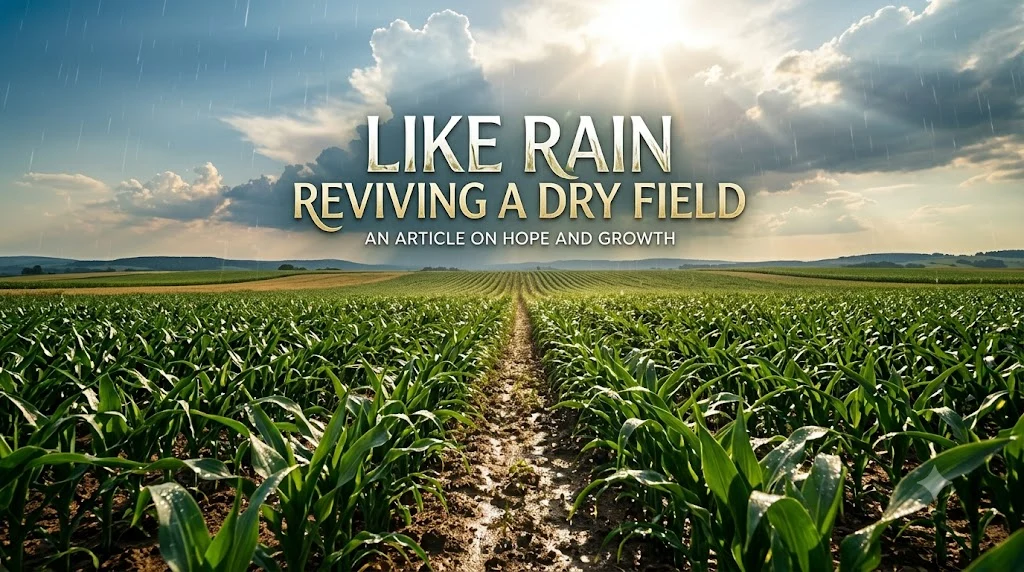
Like Rain Reviving a Dry Field
Meaning
Being refreshing, encouraging, or restorative.
Usage Insight
Perfect for describing positive influences.
Examples
- Her encouragement was like rain reviving a dry field.
- The new opportunity felt like rain reviving a dry field.
As Wise as the Forest at Dawn
Meaning
Being thoughtful, experienced, and insightful.
Usage Insight
Useful for portraying wisdom gained through experience.
Examples
- My grandfather was as wise as the forest at dawn.
- Her observations were as wise as the forest at dawn.
Like a Flame That Never Fades
Meaning
Being passionate, determined, and persistent.
Usage Insight
Works well when describing dedication and motivation.
Examples
- His enthusiasm burned like a flame that never fades.
- She pursued her dream like a flame that never fades.
As Resilient as a Pine in Winter
Meaning
Being able to endure hardships and recover from setbacks.
Usage Insight
Excellent for writing about perseverance and strength.
Examples
- She remained as resilient as a pine in winter after the loss.
- The community stood as resilient as a pine in winter.
Like the Sky After a Storm
Meaning
Being renewed, hopeful, and peaceful after difficulties.
Usage Insight
Ideal for describing recovery and fresh beginnings.
Examples
- After months of struggle, he felt like the sky after a storm.
- Her outlook became like the sky after a storm.
How to Use Similes Effectively in Writing
Good similes can make your writing more vivid and memorable when used thoughtfully. Here are some practical tips:
Poems
- Use nature similes to create strong imagery.
- Choose comparisons that match the poem’s mood and theme.
For Stories
- Reveal character traits through similes.
- Use comparisons to show emotions instead of simply naming them.
Essays
- Add similes sparingly to clarify complex ideas.
- Ensure the comparison supports your main point.
For Songs
- Use emotionally rich similes that are easy to visualize.
- Create memorable images that listeners can relate to.
Creative Descriptions
- Avoid overused comparisons.
- Choose fresh, original similes that surprise readers while remaining clear.
FAQs About Good Similes for Being
What are good similes for being strong?
Examples include as strong as a mountain peak, as resilient as a pine in winter, and as steady as an ancient oak.
What is the difference between a simile and a metaphor?
A simile uses words such as like or as to make a comparison, while a metaphor directly states that one thing is another.
Why are similes important in figurative language?
Similes help readers visualize ideas, understand emotions, and connect with descriptions more deeply.
Can similes be used in academic writing?
Yes. When used carefully, similes can clarify concepts and make explanations more engaging without reducing professionalism.
How can I create original similes?
Observe nature, emotions, and everyday experiences. Then compare qualities that share similar characteristics in a clear and imaginative way.
Conclusion
Learning and using good similes for being can transform ordinary writing into something vivid, memorable, and emotionally engaging. Whether you are describing strength, wisdom, kindness, resilience, growth, or hope, the right comparison helps readers see and feel exactly what you mean. Nature-inspired similes are especially effective because they connect human experiences to familiar and powerful images. From ancient oaks to guiding stars, these figurative language examples enrich communication and strengthen storytelling. By practicing these comparisons and applying them thoughtfully, you can add greater clarity, imagery, and emotional depth to every piece of writing you create.