
Hunger is one of the most universal human experiences, and writers often use vivid language to describe it in a memorable way. One of the best tools for creating strong imagery is the simile. Similes help readers visualize feelings, sensations, and emotions by comparing one thing to another using words like “as” or “like.” They are an important part of figurative language because they make writing more colorful, engaging, and relatable. Just as trees symbolize strength, growth, resilience, wisdom, and human emotion, similes help transform ordinary descriptions into meaningful images.
Trees endure storms, change with the seasons, and continue growing despite challenges, making them powerful symbols in literature and everyday language. In the same way, a well-crafted simile can turn a simple feeling like hunger into a vivid picture that readers instantly understand. Whether you are writing a story, poem, essay, or song, learning similes for hungry can make your descriptions far more effective and memorable.
What Is a Simile?
A simile is a figure of speech that compares two different things using the words “like” or “as.” It helps readers understand an idea or feeling by connecting it to something familiar.
Example:
“He was as hungry as a wolf after the long hike.”
This simile compares a person’s hunger to a wolf’s appetite, helping readers imagine intense hunger more clearly.
As Hungry as a Wolf
Meaning
Extremely hungry and eager to eat.
Usage Insight
This is one of the most common similes for hungry and works well in everyday conversations, stories, and descriptive writing.
Examples
- After football practice, Jake was as hungry as a wolf and finished two sandwiches in minutes.
- We arrived home as hungry as a wolf after spending the entire day outdoors.
As Hungry as a Bear After Hibernation
Meaning
Feeling intense hunger after a long period without food.
Usage Insight
This simile is perfect for emphasizing prolonged hunger or anticipation for a meal.
Examples
- After fasting all day, she felt as hungry as a bear after hibernation.
- The campers returned as hungry as a bear after hibernation and eagerly gathered around the fire.
Like a Vacuum Searching for Crumbs
Meaning
Desperately seeking food with great eagerness.
Usage Insight
This modern comparison adds humor and energy to informal writing.
Examples
- The children rushed into the kitchen like a vacuum searching for crumbs.
- He scanned the buffet like a vacuum searching for crumbs after missing lunch.
As Hungry as a Hawk Hunting Prey
Meaning
Focused and determined to find food.
Usage Insight
This simile highlights both hunger and concentration.
Examples
- She stared at the bakery window as hungry as a hawk hunting prey.
- The travelers looked at the menu as hungry as a hawk hunting prey.
Like an Empty Barrel Echoing in the Wind
Meaning
Experiencing a hollow, empty feeling in the stomach.
Usage Insight
Ideal for creative writing and poetic descriptions.
Examples
- My stomach felt like an empty barrel echoing in the wind.
- By late afternoon, he was like an empty barrel echoing in the wind.
As Hungry as a Seedling for Rain
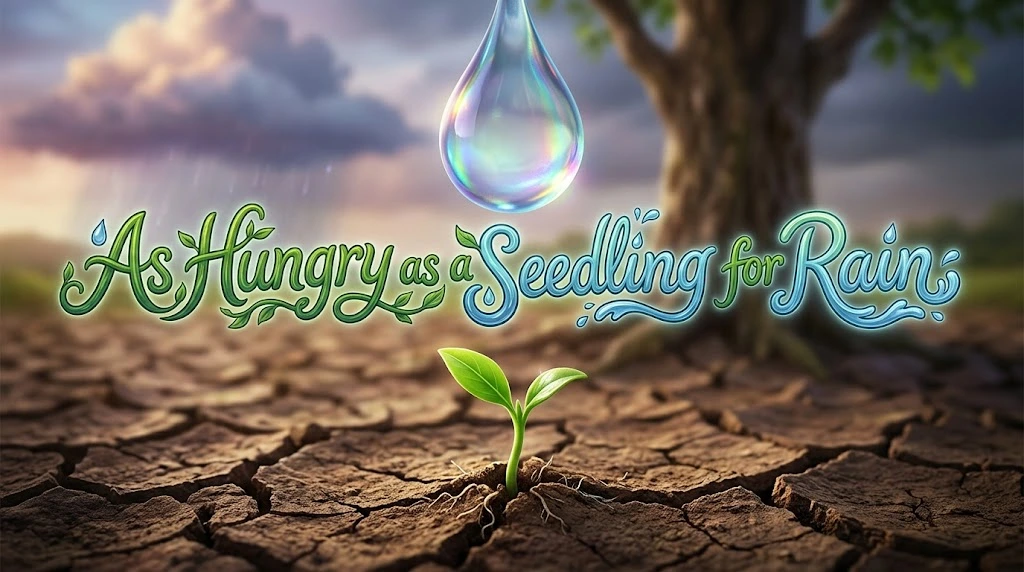
Meaning
Deeply longing for nourishment.
Usage Insight
This nature-based simile creates a gentle and emotional image.
Examples
- She was as hungry as a seedling for rain after the long journey.
- The workers were as hungry as a seedling for rain by the end of the shift.
Like a Furnace Needing Fuel
Meaning
Craving food to restore energy.
Usage Insight
Works particularly well when describing physical exhaustion and hunger.
Examples
- After the marathon, his body felt like a furnace needing fuel.
- I was like a furnace needing fuel after hours of hard work.
As Hungry as a Lion Before the Hunt
Meaning
Extremely eager and ready to eat.
Usage Insight
This simile creates a strong and powerful image.
Examples
- The teenagers were as hungry as a lion before the hunt after swimming all afternoon.
- He sat at the dinner table as hungry as a lion before the hunt.
Like a Dry Riverbed Waiting for Rain
Meaning
Experiencing a deep need for food.
Usage Insight
This simile is especially effective in poetic and descriptive writing.
Examples
- My stomach felt like a dry riverbed waiting for rain.
- After skipping breakfast, she was like a dry riverbed waiting for rain.
As Hungry as a Chick Waiting in the Nest
Meaning
Eagerly expecting food.
Usage Insight
This comparison conveys both hunger and anticipation.
Examples
- The children lined up for lunch as hungry as a chick waiting in the nest.
- He waited for dinner as hungry as a chick waiting in the nest.
Like a Fire That Won’t Stop Burning
Meaning
Having a strong, persistent hunger.
Usage Insight
Excellent for describing ongoing hunger that refuses to go away.
Examples
- Her appetite was like a fire that wouldn’t stop burning.
- The long hike left him like a fire that wouldn’t stop burning.
As Hungry as a Shark Circling the Ocean
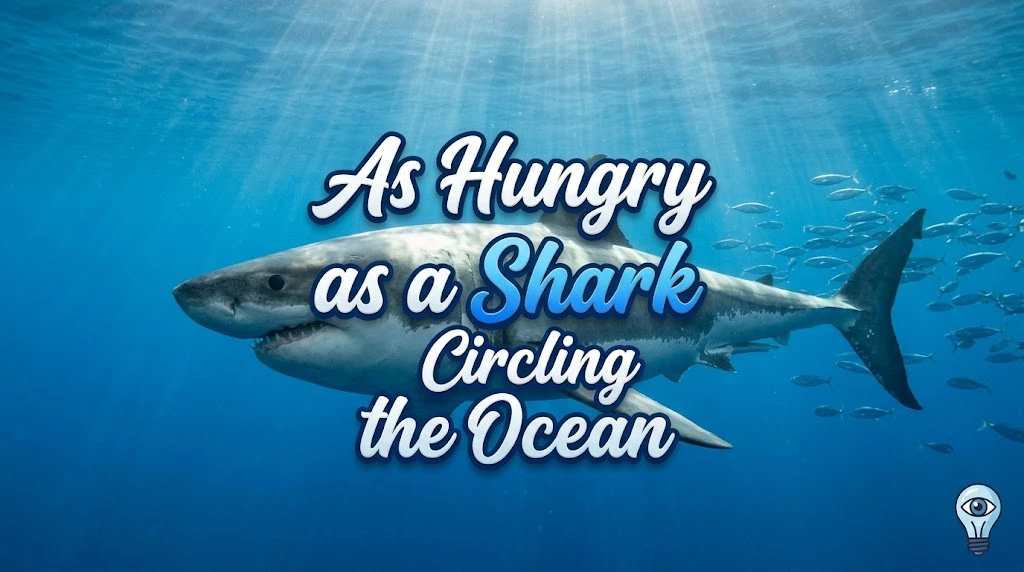
Meaning
Intensely focused on finding food.
Usage Insight
This vivid image works well in storytelling and adventure writing.
Examples
- The group approached the food stalls as hungry as a shark circling the ocean.
- He searched the refrigerator as hungry as a shark circling the ocean.
Like a Battery Running on Empty
Meaning
Feeling drained and in need of food.
Usage Insight
A relatable modern simile that readers quickly understand.
Examples
- By noon, I felt like a battery running on empty.
- She was like a battery running on empty after skipping breakfast.
As Hungry as a Farmer After Harvesting
Meaning
Very hungry after intense physical work.
Usage Insight
This simile connects hunger with effort and accomplishment.
Examples
- He returned home as hungry as a farmer after harvesting.
- The workers gathered for dinner as hungry as a farmer after harvesting.
Like a Desert Craving a Storm
Meaning
Longing desperately for nourishment.
Usage Insight
This powerful image creates emotional depth and dramatic emphasis.
Examples
- My stomach felt like a desert craving a storm.
- She waited for lunch like a desert craving a storm.
As Hungry as a Traveler Lost on a Long Road
Meaning
Extremely hungry after a lengthy journey.
Usage Insight
Perfect for narratives involving travel, adventure, or endurance.
Examples
- We arrived at the restaurant as hungry as a traveler lost on a long road.
- He was as hungry as a traveler lost on a long road after hours of driving.
How to Use Similes Effectively in Writing
Using similes well can make your writing more vivid and memorable. Here are some practical tips:
Poems
- Choose emotional and sensory comparisons.
- Use nature similes to create beauty and depth.
- Avoid clichés when possible.
Stories
- Match the simile to the character and setting.
- Use similes to reveal emotions and physical sensations.
- Keep comparisons natural and relevant.
For Essays
- Use similes sparingly to clarify ideas.
- Select comparisons that readers easily understand.
- Maintain a balance between creativity and clarity.
Songs
- Focus on strong imagery and rhythm.
- Choose memorable comparisons that fit the mood.
- Use simple but powerful language.
Creative Descriptions
- Draw inspiration from animals, nature, and everyday objects.
- Engage multiple senses when creating comparisons.
- Make sure the simile enhances understanding rather than distracting readers.
FAQs About Similes for Hungry
What are similes for hungry?
Similes for hungry are comparisons that describe hunger using the words “like” or “as,” helping readers visualize the feeling more clearly.
What is the most common simile for hungry?
The most common example is “as hungry as a wolf,” which describes someone who is extremely hungry.
What is the difference between a simile and a metaphor?
A simile uses words like “as” or “like” to compare two things, while a metaphor makes a direct comparison without those words.
Can similes be used in academic writing?
Yes, although they should be used carefully. Similes can help explain complex ideas and make writing more engaging when used appropriately.
Why are similes important in creative writing?
Similes add imagery, emotion, and clarity, helping readers connect more deeply with descriptions and experiences.
Conclusion
Similes for hungry are powerful tools that bring ordinary descriptions to life through vivid comparisons. Whether you choose a classic expression like “as hungry as a wolf” or a more creative image like “like a desert craving a storm,” these comparisons help readers feel and understand hunger more deeply. Similes strengthen figurative language by adding color, emotion, and memorable imagery to writing. They can enhance poems, stories, essays, songs, and everyday communication alike. By learning and using these similes thoughtfully, writers can create richer descriptions, stronger emotional connections, and more engaging content. The next time you want to describe hunger, try using one of these creative comparisons and watch your writing become more vivid and expressive.