
Similes make language more colorful, creative, and enjoyable for children of all ages. They help young learners compare two different things by using the words “like” or “as.” Learning common similes for kids is an excellent way to build vocabulary and improve writing skills. Similes are one of the most important tools in figurative language because they help readers create vivid mental pictures. Many famous similes in literature use simple comparisons that children can easily understand and remember.
Nature similes are especially popular because they compare people, objects, and emotions with familiar parts of nature like trees, flowers, rivers, and animals. Trees are powerful symbols of strength, growth, resilience, wisdom, and human emotion, making them wonderful sources of inspiration for creative comparisons. Whether children are writing stories, poems, or classroom essays, learning common similes helps them express ideas with confidence and imagination.
What Is a Simile?
A simile is a figure of speech that compares two different things using the words “like” or “as.” Similes make descriptions clearer, more interesting, and easier to imagine.
Example:
She was as busy as a bee.
This simile compares a person’s activity to a hardworking bee, helping readers quickly picture someone who is very active.
1. As Busy as a Bee
Meaning
Someone who is always working or staying active.
Usage Insight
This is one of the most common similes for kids because bees are known for constantly collecting nectar and building their hive.
Examples
- Emma was as busy as a bee while preparing for the school fair.
- Our classroom became as busy as a bee before the science exhibition.
2. As Quiet as a Mouse
Meaning
Very silent and careful not to make noise.
Usage Insight
Use this simile when describing someone who is calm or trying not to be noticed.
Examples
- The children stayed as quiet as a mouse during the library visit.
- Jake became as quiet as a mouse when the baby fell asleep.
3. As Brave as a Lion
Meaning
Extremely courageous.
Usage Insight
Perfect for describing someone who faces challenges without fear.
Examples
- Mia was as brave as a lion during her first swimming lesson.
- The firefighter stood as brave as a lion while helping others.
4. As Light as a Feather
Meaning
Very light in weight.
Usage Insight
This comparison works well when describing objects or gentle movements.
Examples
- The little bird felt as light as a feather in Lily’s hands.
- Her scarf was as light as a feather in the summer breeze.
5. As Fast as Lightning
Meaning
Extremely quick.
Usage Insight
Use this simile to describe speed in sports, games, or everyday actions.
Examples
- Noah ran as fast as lightning during the race.
- The rabbit disappeared as fast as lightning.
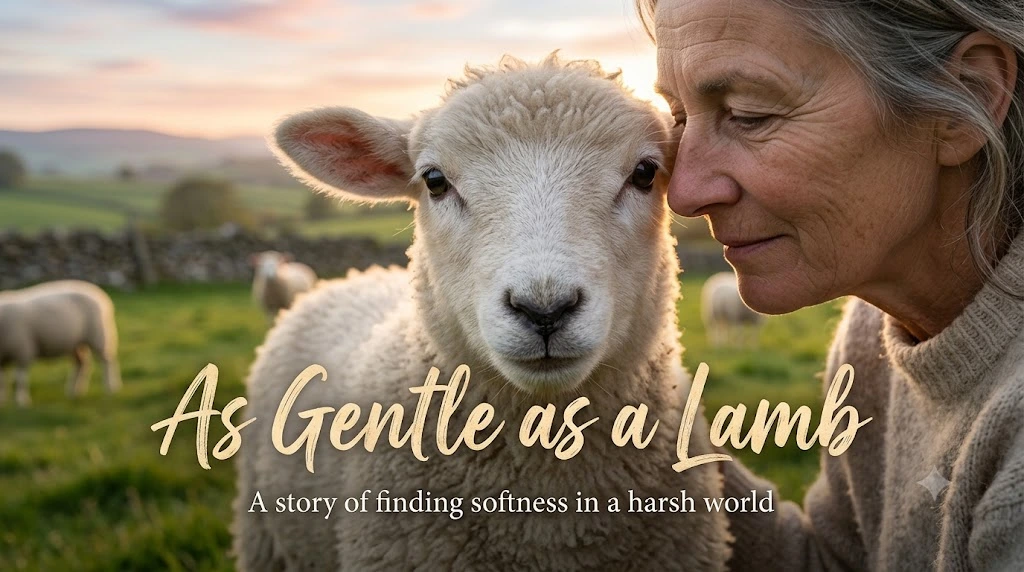
6. As Gentle as a Lamb
Meaning
Very kind and peaceful.
Usage Insight
This simile fits people or animals with calm and caring personalities.
Examples
- Grandpa is as gentle as a lamb with young children.
- The puppy remained as gentle as a lamb around the baby.
7. As Bright as the Sun
Meaning
Very bright, cheerful, or intelligent.
Usage Insight
This comparison works well for smiles, ideas, or sunny personalities.
Examples
- Her smile was as bright as the sun.
- Ethan came up with as bright as the sun ideas for the project.
8. As Cool as a Cucumber
Meaning
Very calm under pressure.
Usage Insight
Use this simile when someone remains relaxed during stressful situations.
Examples
- Ava stayed as cool as a cucumber during the spelling bee.
- Dad remained as cool as a cucumber in heavy traffic.
9. As Strong as an Oak Tree
Meaning
Very strong and dependable.
Usage Insight
This nature simile uses the mighty oak tree as a symbol of strength and resilience.
Examples
- My grandfather is as strong as an oak tree.
- The old bridge stood as strong as an oak tree through many storms.
10. As Happy as a Lark
Meaning
Extremely joyful.
Usage Insight
Ideal for describing cheerful moods and exciting moments.
Examples
- Olivia was as happy as a lark on her birthday.
- The children looked as happy as a lark after winning the game.
11. As Smooth as Silk
Meaning
Very soft or polished.
Usage Insight
This simile is useful for describing fabric, skin, or gentle speech.
Examples
- The blanket felt as smooth as silk.
- His voice sounded as smooth as silk during the performance.
12. As Hungry as a Bear

Meaning
Very hungry.
Usage Insight
Children enjoy this simile because bears are often imagined eating large meals.
Examples
- After soccer practice, I was as hungry as a bear.
- The campers became as hungry as a bear after hiking all day.
13. As Sweet as Honey
Meaning
Very kind, caring, or pleasant.
Usage Insight
This comparison is perfect for describing friendly people or delicious treats.
Examples
- My teacher is as sweet as honey.
- The homemade cookies tasted as sweet as honey.
14. As Free as a Bird
Meaning
Able to do whatever you want without restrictions.
Usage Insight
Use this simile to express freedom, independence, or happiness.
Examples
- After finishing homework, Sam felt as free as a bird.
- The rescued bird flew away as free as a bird.
15. As Wise as an Owl
Meaning
Very intelligent and thoughtful.
Usage Insight
Owls are often symbols of wisdom, making this one of the best-known similes in literature and storytelling.
Examples
- Our principal is as wise as an owl.
- Maya gave advice that was as wise as an owl.
How to Use Similes Effectively in Writing
Using similes well makes writing more interesting and memorable. Here are some simple tips:
- Choose comparisons that your readers can easily understand.
- Use nature similes to create vivid and beautiful descriptions.
- Avoid using too many similes in one paragraph, as they can distract readers.
- Pick comparisons that match the mood of your story, poem, or essay.
- In poems, similes help create rhythm and emotion.
- In stories, they make characters and settings easier to imagine.
- In essays, use similes carefully to explain ideas more clearly.
- In songs, similes create memorable images and emotional connections.
- Practice creating your own comparisons by observing everyday life and nature.
FAQs
What are common similes for kids?
Common similes for kids include as busy as a bee, as brave as a lion, as quiet as a mouse, as light as a feather, and as wise as an owl. These simple comparisons are easy to understand and remember.
What is the difference between a simile and a metaphor?
A simile compares two things using like or as, while a metaphor says one thing is another without using those words.
Example Simile: She is as gentle as a lamb.
Example Metaphor: She is a gentle lamb.
Why are similes important in creative writing?
Similes make writing more descriptive by helping readers visualize people, places, emotions, and actions through familiar comparisons.
Can children use similes in school essays?
Yes. Appropriate similes make essays more engaging and demonstrate strong vocabulary and creative thinking without making writing difficult to understand.
How can kids learn similes more easily?
Children can learn similes by reading books, practicing creative writing, observing nature, and creating their own comparisons using everyday objects and experiences.
Conclusion
Learning common similes for kids is a fun and rewarding way to improve reading, writing, and communication skills. These creative comparisons bring ordinary descriptions to life by adding vivid imagery and emotional meaning. From familiar animal comparisons to inspiring nature similes featuring strong trees, bright sunshine, and gentle breezes, similes encourage children to think creatively and express themselves with confidence. They also help young writers understand figurative language examples found in books, poems, and everyday conversations. Whether used in stories, essays, songs, or classroom activities, similes make language more engaging and memorable. By practicing these simple yet powerful expressions, children can develop stronger writing skills and a lifelong appreciation for creative language.