
Learning simile practice for kids is one of the easiest and most enjoyable ways to improve creative writing. Similes help children describe people, places, feelings, and objects by making interesting comparisons using the words “like” or “as.” They are an important part of figurative language because they make writing more colorful, expressive, and memorable. When children use similes, they learn to paint pictures with words and communicate their ideas more clearly.
Nature offers endless inspiration for great comparisons, and trees are wonderful symbols of strength, growth, resilience, wisdom, and human emotion. Just as a tree grows stronger over time, young writers develop confidence by practicing creative language every day. Reading and writing similes also improves vocabulary, imagination, and storytelling skills. This guide provides engaging simile practice for kids with meanings, examples, and writing tips that make learning fun and effective.
What Is a Simile?
A simile is a figure of speech that compares two different things using the words “like” or “as.” Similes help readers imagine ideas more clearly and make writing more vivid.
Example:
The puppy was as playful as a bouncing ball.
This comparison helps readers picture the puppy’s energetic behavior.
As Busy as a Honeybee
Meaning
Someone who is always active and working hard.
Usage Insight
This simile is perfect when describing energetic children, helpful classmates, or busy days.
Examples:
- Emma was as busy as a honeybee while decorating the classroom.
- The students worked as busy as a honeybee to finish their science project.
As Bright as the Morning Sun
Meaning
Very cheerful, happy, or intelligent.
Usage Insight
Use this simile to describe smiling faces, clever ideas, or joyful moments.
Examples:
- Liam’s smile was as bright as the morning sun.
- Her answer was as bright as the morning sun, and everyone applauded.
As Gentle as a Feather
Meaning
Very soft, kind, or careful.
Usage Insight
Works well when describing caring people, animals, or gentle actions.
Examples:
- The nurse’s voice was as gentle as a feather.
- She placed the kitten down as gentle as a feather.
Like a Rocket Ready to Launch
Meaning
Very excited or eager to begin.
Usage Insight
Great for describing excitement before games, school trips, or celebrations.
Examples:
- Ethan was like a rocket ready to launch before the race started.
- The children waited like rockets ready to launch for recess.
As Calm as a Quiet Lake
Meaning
Peaceful and relaxed.
Usage Insight
Ideal for describing quiet moments or calm personalities.
Examples:
- Maya stayed as calm as a quiet lake during the presentation.
- The classroom became as calm as a quiet lake after story time.
Like Popcorn in a Hot Pan

Meaning
Moving quickly with lots of energy.
Usage Insight
Perfect for playful children and exciting activities.
Examples:
- The kids jumped around like popcorn in a hot pan.
- Puppies bounced like popcorn in a hot pan in the yard.
As Strong as an Oak Tree
Meaning
Very strong, brave, or dependable.
Usage Insight
Excellent for describing courage and determination.
Examples:
- Dad stood as strong as an oak tree during the storm.
- The young athlete became as strong as an oak tree through practice.
Like a Rainbow After Rain
Meaning
Bringing happiness after a difficult time.
Usage Insight
Use it for hopeful endings and joyful moments.
Examples:
- Her smile appeared like a rainbow after rain.
- Good news arrived like a rainbow after rain.
As Quiet as Falling Snow
Meaning
Extremely silent.
Usage Insight
Perfect for bedtime stories or peaceful scenes.
Examples:
- The library became as quiet as falling snow.
- Everyone listened as quiet as falling snow.
Like a Fish in Water
Meaning
Feeling comfortable and confident.
Usage Insight
Great for describing hobbies or favorite activities.
Examples:
- Noah felt like a fish in water during swimming lessons.
- She was like a fish in water on the soccer field.
As Sweet as Fresh Honey
Meaning
Very kind and friendly.
Usage Insight
Works well when describing thoughtful people.
Examples:
- Grandma’s words were as sweet as fresh honey.
- The new student was as sweet as fresh honey to everyone.
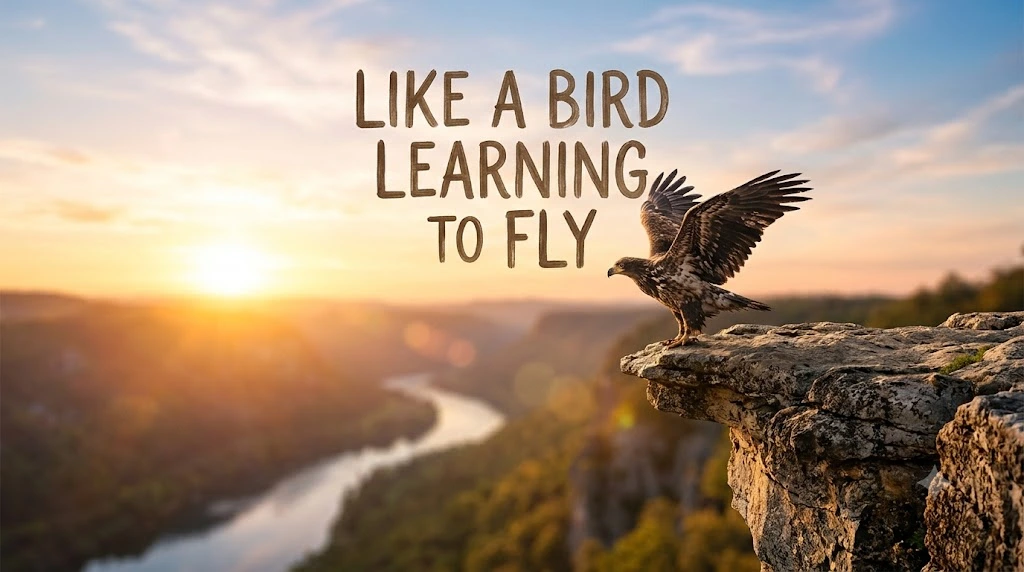
Like a Bird Learning to Fly
Meaning
Trying something new with growing confidence.
Usage Insight
Excellent for learning experiences and personal growth.
Examples:
- Mia felt like a bird learning to fly on her first day of school.
- Every practice made him like a bird learning to fly.
As Colorful as a Garden in Spring
Meaning
Full of bright colors and happiness.
Usage Insight
Perfect for artwork, festivals, or nature writing.
Examples:
- The classroom looked as colorful as a garden in spring.
- Their paintings became as colorful as a garden in spring.
Like a Star in the Night Sky
Meaning
Someone who stands out because of talent or kindness.
Usage Insight
Ideal for praising achievements.
Examples:
- Olivia shined like a star in the night sky during the concert.
- His kindness sparkled like a star in the night sky.
As Curious as a Little Explorer
Meaning
Very eager to learn and discover new things.
Usage Insight
A wonderful simile for encouraging learning and creativity.
Examples:
- Ava was as curious as a little explorer during the museum visit.
- Every young scientist should be as curious as a little explorer.
How to Use Similes Effectively in Writing
Children can make their writing stronger by using similes naturally and thoughtfully. Here are some practical tips:
- Use similes to help readers clearly imagine people, places, and events.
- Choose comparisons that are easy to understand and relate to.
- Include nature similes to make descriptions more vivid and beautiful.
- Use similes in poems to create rhythm and emotion.
- Add similes to stories to make characters and settings more interesting.
- Include them in essays when descriptive language is appropriate.
- Songwriters can use similes to express feelings in creative ways.
- Avoid adding too many similes in one paragraph so each one remains effective.
- Practice creating your own original comparisons based on everyday experiences.
FAQs
What is simile practice for kids?
Simile practice for kids involves learning and using comparisons with “like” or “as” to improve creativity, vocabulary, and descriptive writing.
What is the difference between a simile and a metaphor?
A simile compares two things using like or as, while a metaphor compares them directly without those words.
Simile: She is as brave as a lion.
Metaphor: She is a lion.
Why should kids practice similes?
Practicing similes helps children become better writers by improving imagination, communication skills, vocabulary, and creative thinking.
Can similes be used in school essays?
Yes. Similes work especially well in descriptive essays, personal narratives, and creative writing assignments. They should be used carefully in formal academic writing to maintain clarity.
How do similes improve creative writing?
Similes create vivid mental images, make writing more engaging, strengthen emotional expression, and help readers connect with the writer’s ideas more easily.
Conclusion
Regular simile practice for kids helps young writers develop creativity, confidence, and strong communication skills. By learning to compare ideas using simple yet imaginative language, children can make their stories, poems, essays, and classroom assignments more interesting and expressive. These figurative language examples encourage readers to visualize scenes, understand emotions, and enjoy richer descriptions. The more children practice writing original similes, the more naturally they will use them in everyday writing. Keep exploring new comparisons, observe the world around you, and remember that every great writer starts by practicing one creative sentence at a time.