
Creative writing becomes more engaging when readers can clearly picture emotions, actions, and settings. One of the easiest ways to achieve this is by using powerful similes for creative writing. Similes compare one thing to another using the words “like” or “as,” making descriptions more vivid and memorable. They are an essential part of figurative language because they help readers connect with ideas through familiar comparisons. Many of the best similes are inspired by nature, where every season, river, mountain, and tree offers meaningful imagery.
Trees, in particular, are powerful symbols of strength, growth, resilience, wisdom, and human emotion, making them excellent sources of inspiration for creative comparisons. Whether you’re writing poems, stories, essays, or songs, well-crafted similes can transform ordinary sentences into memorable expressions. This guide explores powerful similes for creative writing that will help you write with greater clarity, emotion, and imagination.
What Is a Simile?
A simile is a figure of speech that compares two different things using the words like or as. Its purpose is to create stronger mental images and make writing more expressive.
Example:
Her smile was as bright as the morning sun.
This comparison instantly helps readers imagine warmth, happiness, and positivity.
1. As steady as an ancient oak
Meaning
Describes someone or something that remains calm, dependable, and strong during difficult situations.
When to Use It
This simile works well when writing about loyal characters, courageous leaders, or emotionally resilient people.
Examples
- Even during the storm of criticism, she stood as steady as an ancient oak.
- His confidence remained as steady as an ancient oak despite every setback.
2. Like sunlight breaking through clouds
Meaning
Represents hope, happiness, or relief after sadness or uncertainty.
When to Use It
Perfect for emotional turning points, happy endings, or moments of personal growth.
Examples
- Her encouraging words were like sunlight breaking through clouds.
- Hope returned like sunlight breaking through clouds after weeks of doubt.
3. As quiet as fresh snowfall
Meaning
Describes complete silence, peace, or calmness.
When to Use It
Ideal for peaceful landscapes, reflective scenes, or quiet emotional moments.
Examples
- The library became as quiet as fresh snowfall.
- His thoughts settled as quiet as fresh snowfall before the interview.
4. Like a river finding the sea
Meaning
Suggests natural progress, purpose, or destiny.
When to Use It
Excellent for stories about growth, ambition, or life’s journey.
Examples
- Her career unfolded like a river finding the sea.
- The conversation flowed like a river finding the sea.
5. As fierce as a lightning storm
Meaning
Shows intense determination, anger, or unstoppable energy.
When to Use It
Great for action scenes, competitions, or powerful emotions.
Examples
- The athlete fought as fierce as a lightning storm.
- Her defense of her family was as fierce as a lightning storm.
6. Like stars reflected on still water
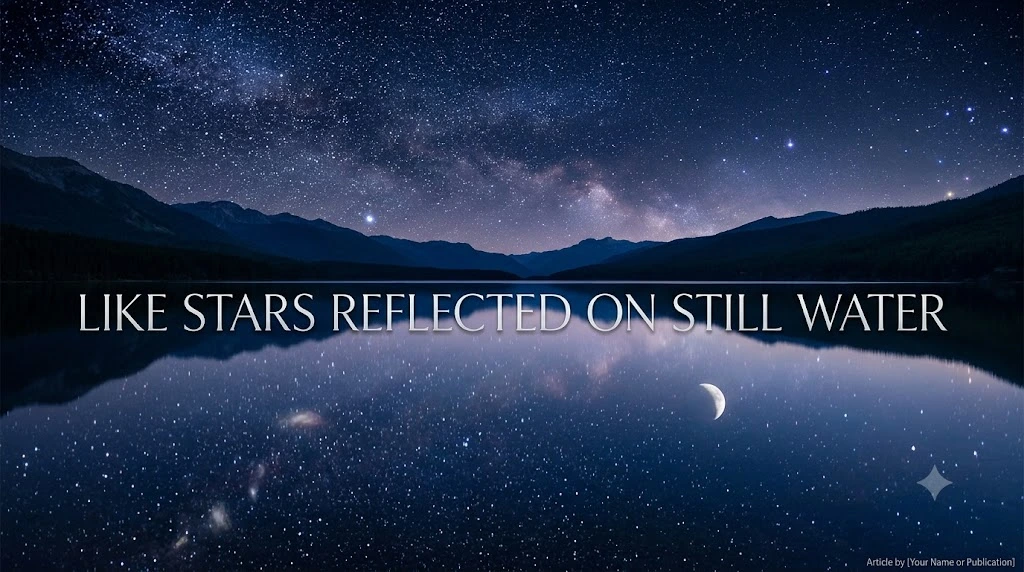
Meaning
Represents delicate beauty, wonder, or peaceful reflection.
When to Use It
Works beautifully in romantic writing, poetry, and descriptive passages.
Examples
- Her eyes shimmered like stars reflected on still water.
- The evening felt like stars reflected on still water.
7. As light as drifting feathers
Meaning
Describes effortless movement or gentle emotions.
When to Use It
Useful for dance, dreams, happiness, or graceful movement.
Examples
- She stepped as light as drifting feathers across the stage.
- His laughter felt as light as drifting feathers.
8. Like wildfire across dry grass
Meaning
Shows something spreading extremely fast.
When to Use It
Ideal for rumors, excitement, fear, or rapid change.
Examples
- The exciting news spread like wildfire across dry grass.
- Inspiration moved through the classroom like wildfire across dry grass.
9. As deep as the endless ocean
Meaning
Represents profound emotions, wisdom, or mystery.
When to Use It
Perfect for emotional storytelling and thoughtful characters.
Examples
- Her compassion was as deep as the endless ocean.
- His silence felt as deep as the endless ocean.
10. Like a bird discovering open skies
Meaning
Symbolizes freedom, confidence, and new beginnings.
When to Use It
Excellent for stories of personal transformation.
Examples
- After graduation, she felt like a bird discovering open skies.
- He smiled like a bird discovering open skies after overcoming fear.
11. As bright as spring blossoms
Meaning
Describes joy, optimism, or youthful energy.
When to Use It
Ideal for cheerful characters and uplifting scenes.
Examples
- Her personality was as bright as spring blossoms.
- The celebration felt as bright as spring blossoms.
12. Like roots holding firm in rocky ground
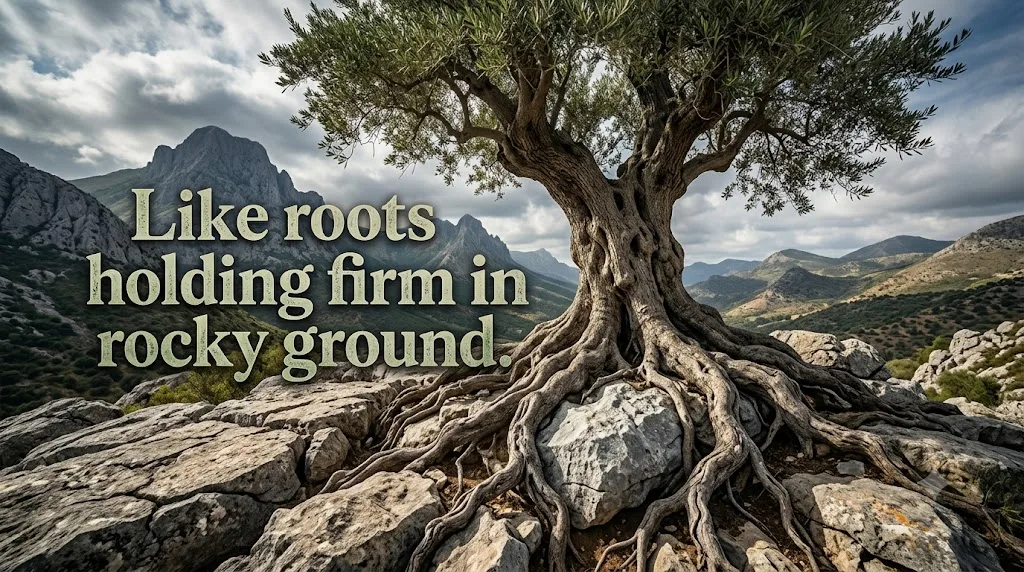
Meaning
Represents perseverance through challenges.
When to Use It
Useful when describing resilience and inner strength.
Examples
- Their friendship remained like roots holding firm in rocky ground.
- She stayed hopeful like roots holding firm in rocky ground.
13. As gentle as morning mist
Meaning
Shows kindness, softness, or tenderness.
When to Use It
Perfect for emotional conversations or caring personalities.
Examples
- His voice was as gentle as morning mist.
- The nurse spoke as gentle as morning mist.
14. Like an eagle soaring above mountains
Meaning
Represents ambition, confidence, and vision.
When to Use It
Excellent for inspirational writing and leadership themes.
Examples
- She pursued her dreams like an eagle soaring above mountains.
- His imagination rose like an eagle soaring above mountains.
15. As timeless as the changing seasons
Meaning
Describes something enduring, meaningful, or universal.
When to Use It
Ideal for themes of love, family, wisdom, and tradition.
Examples
- Their friendship remained as timeless as the changing seasons.
- Great storytelling is as timeless as the changing seasons.
How to Use Similes Effectively in Writing
Using powerful similes for creative writing is about more than adding comparisons. The best similes feel natural and strengthen your message instead of distracting from it.
Here are a few practical tips:
- Choose comparisons that readers can easily imagine.
- Draw inspiration from nature similes, as natural imagery is familiar and emotionally powerful.
- Avoid overusing similes in every sentence.
- Match the simile to the mood of your story or poem.
- Use fresh, original comparisons instead of clichés.
- Read your sentences aloud to check whether the simile sounds natural.
- Blend similes with other figurative language examples to create richer descriptions.
- In essays, use similes sparingly to clarify ideas without reducing professionalism.
- In songs and poems, use rhythmic and emotional comparisons to create memorable imagery.
- In stories, let similes reveal character emotions, settings, and atmosphere naturally.
FAQs
What are powerful similes for creative writing?
Powerful similes for creative writing are imaginative comparisons that use like or as to create vivid images, stronger emotions, and memorable descriptions that engage readers.
What is the difference between a simile and a metaphor?
A simile compares two things using like or as, while a metaphor directly states that one thing is another without using comparison words.
Simile: The sky was like a painted canvas.
Metaphor: The sky was a painted canvas.
Why are similes important in creative writing?
Similes help readers visualize scenes, understand emotions, and connect more deeply with characters. They make writing colorful, engaging, and easier to remember.
Can similes be used in academic writing?
Yes. While academic writing should remain formal, carefully chosen similes can clarify complex ideas, especially in presentations, educational materials, and explanatory essays.
How can I create original similes?
Observe everyday life and nature. Think about qualities like speed, strength, beauty, or calmness, then compare them with something familiar that shares those characteristics. Original comparisons often leave the strongest impression.
Conclusion
Mastering powerful similes for creative writing can elevate your writing from ordinary to unforgettable. Whether inspired by towering trees, flowing rivers, brilliant stars, or changing seasons, thoughtful comparisons create vivid imagery that readers can instantly picture. Like many memorable similes in literature, the best examples strengthen emotion without feeling forced. By combining creative observation with clear language, you can use figurative language examples to enrich poems, stories, essays, songs, and descriptive writing alike. Keep practicing, experiment with fresh nature similes, and choose comparisons that naturally fit your message. Over time, your similes will add greater clarity, emotional depth, and lasting impact, making every piece of writing more engaging and memorable.