
Literature becomes unforgettable when ordinary words create extraordinary pictures in our minds, and famous similes in literature are a perfect example of this power. A simile is a form of figurative language that compares two different things using words such as “like” or “as.” These comparisons help readers understand feelings, people, places, and experiences in a more vivid and memorable way. Writers use similes to make descriptions more colorful, emotional, and meaningful without relying on complicated language. Nature is especially useful in similes because familiar things such as trees, rivers, storms, flowers, and stars can express deep human experiences.
Trees, for example, are powerful symbols of strength, growth, resilience, wisdom, and human emotion, making them excellent sources of imagery in literature. From classic novels and poetry to modern stories and songs, similes can turn simple observations into striking figurative language examples. Learning how these comparisons work can help readers appreciate similes in literature and help writers create language that stays in the mind long after the page has been turned.
What Is a Simile?
A simile is a figure of speech that directly compares two different things, usually with the words “like” or “as.” The comparison connects a familiar image with an idea, person, emotion, or experience so the reader can understand it more clearly.
Example: Her determination was like a sturdy oak tree standing through a violent storm.
The person is not literally a tree. Instead, the comparison suggests that her determination is strong, stable, and resilient.
Similes are common in poetry, novels, speeches, essays, songs, and everyday conversation because they make abstract ideas easier to visualize. They are also closely connected to nature similes, where elements of the natural world provide memorable comparisons.
1. “Like a Beacon in the Darkness”
Simile: His words were like a beacon in the darkness.
Meaning: This simile suggests that someone’s words provide hope, guidance, or comfort during a difficult situation. A beacon helps people find their way, so comparing speech to one creates an image of emotional or intellectual direction.
Usage Insight: Use this comparison when describing a character, teacher, leader, friend, or writer whose ideas bring clarity during uncertainty.
Examples:
- Her encouraging letter was like a beacon in the darkness when he felt completely lost.
- The author’s message shines like a beacon in the darkness of a troubled society.
2. “As Strong as an Ancient Oak”
Simile: She stood as strong as an ancient oak.
Meaning: This comparison represents physical strength, emotional endurance, stability, and resilience. An ancient oak can survive seasons, storms, and years of change, making it a powerful symbol of lasting strength.
Usage Insight: This is especially effective in character descriptions, historical fiction, poetry, and writing about resilience.
Examples:
- Despite everything she had endured, Grandma remained as strong as an ancient oak.
- The old soldier stood as strong as an ancient oak while the world around him changed.
3. “Like Leaves Dancing in the Wind”
Simile: Their thoughts moved like leaves dancing in the wind.
Meaning: The comparison suggests movement, uncertainty, freedom, or a lack of control. Leaves are carried and shifted by the wind, just as thoughts can move quickly from one idea to another.
Usage Insight: Use this nature simile when describing wandering thoughts, changing emotions, lively movement, or an unpredictable conversation.
Examples:
- Ideas rushed through her mind like leaves dancing in the wind.
- His memories moved like leaves dancing in the wind, appearing and disappearing without warning.
4. “As Quiet as a Sleeping Forest”
Simile: The village was as quiet as a sleeping forest.
Meaning: This comparison creates a strong sense of silence and peacefulness. A sleeping forest suggests stillness without making the scene feel empty or lifeless.
Usage Insight: It works well in atmospheric writing, mystery stories, nighttime scenes, and descriptions of peaceful places.
Examples:
- At midnight, the mountain village was as quiet as a sleeping forest.
- The classroom became as quiet as a sleeping forest after the final bell.
5. “Like a River Finding Its Way”
Simile: Her life moved like a river finding its way.
Meaning: This simile suggests that life can continue forward even when the destination is unclear. Like a river, a person may encounter obstacles but still find a path around them.
Usage Insight: Use it when writing about personal growth, change, uncertainty, or perseverance.
Examples:
- He trusted his instincts and allowed his career to flow like a river finding its way.
- Her journey unfolded like a river finding its way through unfamiliar land.
6. “As Bright as a Summer Sunrise”
Simile: His smile was as bright as a summer sunrise.
Meaning: This comparison communicates happiness, warmth, beauty, and positive energy. A summer sunrise creates an image of light and renewal.
Usage Insight: This simile is useful for describing smiles, personalities, hopeful moments, beautiful settings, or emotional beginnings.
Examples:
- Her smile was as bright as a summer sunrise after a long and difficult night.
- His optimism was as bright as a summer sunrise, filling the room with energy.
7. “Like a Storm Gathering Over the Sea”
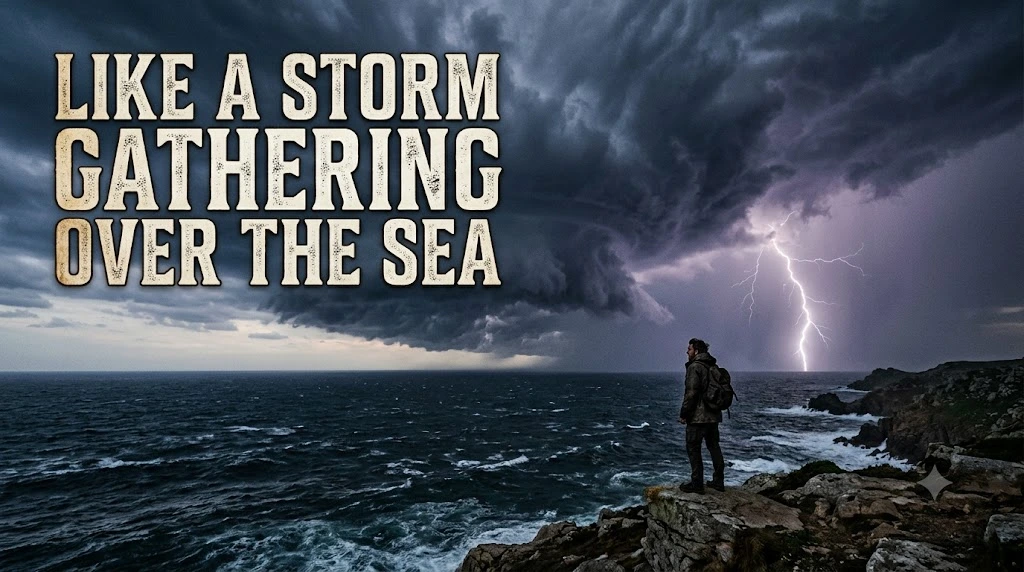
Simile: Her anger was like a storm gathering over the sea.
Meaning: The comparison suggests that anger is growing gradually and may soon become powerful or destructive. A gathering storm creates tension before the main event arrives.
Usage Insight: Use this comparison when you want to build suspense around anger, conflict, fear, or emotional pressure.
Examples:
- His frustration grew like a storm gathering over the sea.
- Beneath her calm expression, resentment was building like a storm gathering over the sea.
8. “As Gentle as Falling Snow”
Simile: His voice was as gentle as falling snow.
Meaning: This comparison suggests softness, calmness, kindness, and emotional sensitivity. Falling snow can create an atmosphere of quiet beauty and peacefulness.
Usage Insight: It works particularly well when describing voices, movements, personalities, comforting moments, or tender scenes.
Examples:
- She spoke as gently as falling snow to the frightened child.
- His apology came in a voice as gentle as falling snow.
9. “Like a Flame Refusing to Die”
Simile: Her hope was like a flame refusing to die.
Meaning: This simile represents determination, courage, persistence, and hope in difficult circumstances. Even when circumstances become harsh, the inner flame continues burning.
Usage Insight: This is powerful in inspirational writing, character development, speeches, poems, and stories about overcoming adversity.
Examples:
- Even after repeated failures, his ambition remained like a flame refusing to die.
- Her hope burned like a flame refusing to die during the hardest years of her life.
10. “As Wise as an Old Forest”
Simile: He was as wise as an old forest.
Meaning: An old forest represents age, experience, patience, and accumulated knowledge. The comparison suggests wisdom developed through years of observing and surviving change.
Usage Insight: This nature simile works especially well for elderly characters, mentors, thoughtful leaders, or people whose experience gives them unusual insight.
Examples:
- The village elder was as wise as an old forest, speaking only when his words mattered.
- Her grandmother seemed as wise as an old forest whenever she offered advice.
11. “Like a Star in a Winter Sky”
Simile: Her kindness was like a star in a winter sky.
Meaning: This comparison presents kindness as something beautiful and comforting against a cold or difficult background. The star becomes a symbol of hope and warmth.
Usage Insight: Use it when describing kindness during hardship or highlighting a positive person in a difficult environment.
Examples:
- His generosity was like a star in a winter sky during a season of hardship.
- Her small act of kindness appeared like a star in a winter sky to the lonely traveler.
12. “As Restless as Waves Before a Storm”
Simile: His mind was as restless as waves before a storm.
Meaning: This simile communicates anxiety, nervousness, anticipation, or emotional uncertainty. Waves become increasingly active before a storm, much like a troubled mind.
Usage Insight: It works well for suspenseful scenes, emotional conflict, nervous characters, and moments before an important decision.
Examples:
- Her thoughts were as restless as waves before a storm while she waited for the results.
- His mind remained as restless as waves before a storm on the eve of the journey.
13. “Like a Garden After Rain”
Simile: Her spirit was like a garden after rain.
Meaning: This comparison suggests renewal, healing, freshness, and new hope. Rain can revive a garden, just as positive experiences can restore a person’s emotional strength.
Usage Insight: Use this comparison when writing about recovery, second chances, emotional healing, or fresh beginnings.
Examples:
- After forgiving herself, her spirit felt like a garden after rain.
- The new friendship made his lonely heart bloom like a garden after rain.
14. “As Swift as a Hawk in Flight”
Simile: The runner was as swift as a hawk in flight.
Meaning: This comparison emphasizes speed, precision, focus, and controlled movement. A hawk is associated with fast and purposeful motion.
Usage Insight: This simile is useful in action scenes, sports writing, adventure stories, and descriptions of quick reactions.
Examples:
- She moved across the field as swift as a hawk in flight.
- The messenger was as swift as a hawk in flight as he raced toward the distant village.
15. “Like Roots Holding Firm in the Earth”
Simile: Their friendship was like roots holding firm in the earth.
Meaning: This simile represents stability, loyalty, strength, and a deep connection that survives difficult circumstances. Roots remain hidden but provide the foundation that keeps a tree standing.
Usage Insight: It is especially effective for describing lifelong friendships, family relationships, cultural identity, personal values, or emotional bonds.
Examples:
- Their friendship was like roots holding firm in the earth despite years of separation.
- Her connection to her family remained like roots holding firm in the earth.
Why Are Similes So Powerful in Literature?
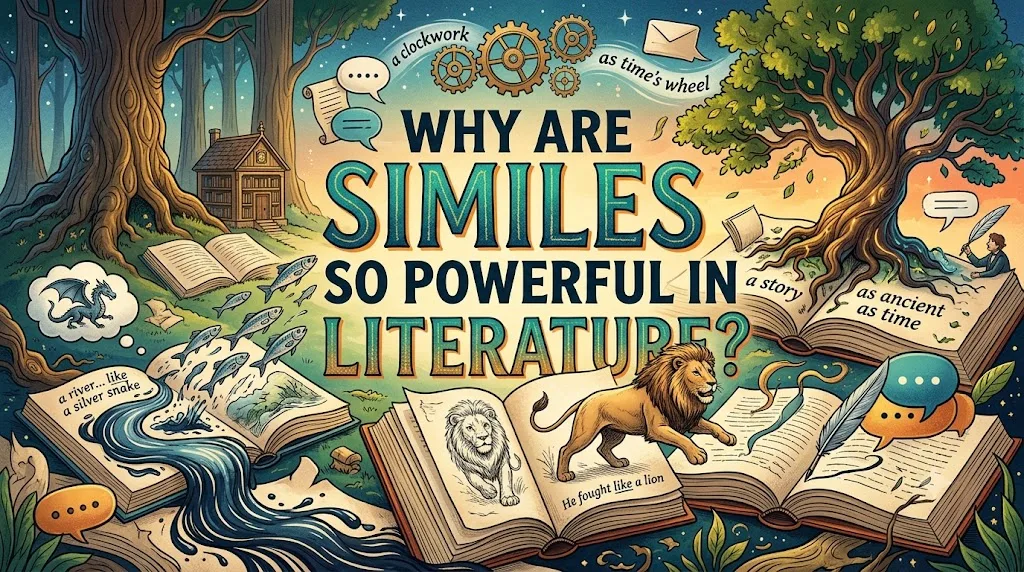
The best famous similes in literature do more than make sentences attractive. They help readers experience an idea rather than simply receive information about it.
Consider the difference between these two statements:
Plain: The character was very brave.
With a simile: The character was as brave as a tree standing against a winter storm.
The second version creates an image. Readers can imagine the tree, the cold, the wind, and the struggle to remain standing. That image adds emotional depth to the character’s bravery.
Similes can also make abstract concepts easier to understand. Emotions such as grief, hope, jealousy, loneliness, love, and fear are difficult to see directly. A strong comparison gives those invisible emotions a visible form.
This is why similes are so important in figurative language examples and why they appear throughout poetry, novels, drama, speeches, and other forms of literature.
Similes in Literature and Nature Imagery
Nature has always given writers a rich collection of comparisons. Mountains can represent endurance, rivers can symbolize journeys, storms can represent conflict, flowers can suggest beauty, and trees can express strength and growth.
Nature similes are particularly effective because readers already understand the qualities of natural objects. When an author compares a determined character to an oak tree, the reader immediately connects the character with stability and resilience.
Nature also provides emotional contrast. A peaceful lake can represent inner calm, while a violent storm can represent emotional turmoil. A fading sunset may suggest the end of an era, while spring flowers can represent renewal.
This makes nature one of the most useful sources of imagery for writers who want to create memorable comparisons.
How to Use Similes Effectively in Writing
Knowing what a simile is does not automatically make every comparison effective. Strong writing depends on choosing comparisons that fit the situation, character, and emotion.
1. Use Similes in Poems
Poetry depends heavily on imagery and emotional language. A carefully selected simile can turn a simple feeling into a memorable picture.
Instead of writing:
I miss you very much.
You might write:
I miss you like the earth misses rain.
The comparison gives the emotion greater depth.
2. Use Similes in Stories
Similes can make characters and settings more vivid. Instead of simply saying that a character is nervous, describe their thoughts as restless waves or their heartbeat as a drum.
The goal is not to add a simile to every sentence. Use comparisons where they strengthen the scene.
3. Use Similes in Essays
Academic writing usually requires a more controlled style, but carefully chosen comparisons can clarify complicated ideas. A simile can make an unfamiliar concept easier for readers to understand.
For example, a writer discussing education might explain that:
Education is like a bridge connecting curiosity with opportunity.
The comparison makes the central idea easier to visualize.
4. Use Similes in Songs
Songwriters often use comparisons because songs need memorable and emotional language. Similes can communicate love, heartbreak, hope, excitement, or loneliness in a compact form.
A strong comparison can also make lyrics easier for listeners to remember.
5. Use Similes in Creative Descriptions
When describing people, places, emotions, or experiences, ask yourself what familiar image shares the quality you want to communicate.
If a character is extremely calm, you might compare them to a still lake. If they are determined, you could compare them to an oak tree surviving a storm.
6. Avoid Overused Comparisons When Possible
Some similes are so common that they may no longer feel fresh. Original comparisons can make your writing more distinctive.
Instead of always using familiar expressions, think about the specific image that best matches your character or situation.
7. Make the Comparison Meaningful
A good simile should have a reason for existing. The comparison should reveal something about the subject.
Do not use a beautiful image simply because it sounds attractive. Ask what quality the image communicates and whether that quality supports the sentence.
8. Keep Your Audience in Mind
A comparison that works beautifully in a children’s story may not fit a formal academic essay. Similarly, a complex literary comparison may be confusing for younger readers.
Choose images your audience can understand easily.
Famous Similes in Literature: What Makes Them Memorable?
Some of the most memorable literary comparisons work because they connect an unfamiliar idea with something readers already recognize.
A successful literary simile often has three qualities:
- Clarity: The reader can understand the comparison quickly.
- Imagery: The comparison creates a strong mental picture.
- Emotional meaning: The image makes the reader feel something.
Classic writers have used comparisons involving nature, animals, weather, light, darkness, objects, and human experiences to deepen their storytelling. These literary techniques can turn descriptions into scenes that readers can almost see.
The best similes also fit the writer’s voice. A humorous story might use an exaggerated comparison, while a serious poem might use a quiet and emotional image.
This flexibility explains why similes remain important across different genres and periods of literature.
FAQs About Famous Similes in Literature
1. What are famous similes in literature?
Famous similes in literature are memorable comparisons used by writers to connect one idea, object, person, or emotion with another using words such as “like” or “as.” They make descriptions more vivid and help readers understand characters, emotions, and themes.
2. What is the difference between a simile and a metaphor?
A simile makes a comparison using words such as “like” or “as,” while a metaphor directly describes one thing as another. For example, “Her voice was like music” is a simile, while “Her voice was music” is a metaphor.
3. Why do writers use similes in literature?
Writers use similes to create imagery, clarify abstract ideas, strengthen emotional impact, describe characters, establish atmosphere, and make writing more memorable. A strong comparison can communicate an idea more effectively than a simple description.
4. Can similes be used in academic writing?
Yes. Similes can be useful in academic writing when they clarify an unfamiliar idea or concept. However, they should be used carefully and should support the writer’s explanation rather than distract from it.
5. Are similes useful in creative writing?
Absolutely. Similes are valuable in poems, novels, short stories, songs, speeches, and creative descriptions. They help writers turn ordinary language into vivid imagery and give readers a stronger emotional connection to the subject.
Conclusion: Let Your Comparisons Bring Language to Life
Famous similes in literature show us how a simple comparison can transform ordinary language into something vivid, emotional, and unforgettable. By connecting an unfamiliar idea with a familiar image, similes make abstract feelings and complicated experiences easier to understand. They can turn strength into an ancient oak, hope into a lasting flame, uncertainty into restless waves, and friendship into roots holding firmly beneath the earth. This is why similes remain such an important part of figurative language, creative writing, poetry, storytelling, and even thoughtful academic communication. Nature similes are especially powerful because trees, rivers, storms, flowers, stars, and seasons already carry rich meanings that readers can easily recognize. When used thoughtfully, these comparisons add clarity, imagery, personality, and emotional depth to writing without making it difficult to understand. Whether you are studying similes in literature or creating your own figurative language examples, focus on comparisons that reveal something meaningful about your subject. The strongest simile is not simply beautiful—it helps readers see, feel, and remember the idea behind your words.