
Similes are one of the easiest and most effective ways to make your writing more colorful and memorable. They compare one thing to another using the words “like” or “as”, helping readers picture an idea more clearly. Whether you are writing a story, poem, essay, or speech, similes bring ordinary descriptions to life. They are an important part of figurative language because they create vivid mental images with just a few words. Nature often inspires the best similes because it offers familiar and meaningful comparisons.
Trees, for example, are powerful symbols of strength, growth, resilience, wisdom, and human emotion, making them valuable sources of creative inspiration in literature. Even when describing something small, nature provides countless examples that make comparisons feel fresh and relatable. In this guide, you’ll discover original similes for small that will make your writing more expressive and engaging.
What Is a Simile?
A simile is a figure of speech that compares two different things using the words “like” or “as.” The purpose is to make a description more vivid, interesting, and easier to understand.
Example:
The kitten was as small as a teacup.
This comparison instantly helps readers imagine the kitten’s tiny size without needing a lengthy explanation.
1. As Small as a Dewdrop
Meaning
Describes something extremely tiny and delicate.
When to Use It
This simile works beautifully in poetry, nature writing, and descriptions of fragile objects.
Examples
- The baby spider looked as small as a dewdrop resting on the leaf.
- Her handwriting became as small as a dewdrop near the edge of the page.
2. As Small as a Grain of Sand
Meaning
Refers to something nearly microscopic or insignificant in size.
When to Use It
Perfect for emphasizing tiny measurements or subtle details.
Examples
- The missing screw was as small as a grain of sand.
- His chance of being noticed felt as small as a grain of sand on the beach.
3. As Small as an Acorn
Meaning
Describes something little today but capable of future growth.
When to Use It
Excellent for inspirational writing and discussions about potential.
Examples
- The startup began as small as an acorn.
- Every great dream starts as small as an acorn.
4. As Small as an Ant
Meaning
Highlights something tiny compared to its surroundings.
When to Use It
Useful for describing people, animals, or objects from a distance.
Examples
- From the hilltop, the hikers looked as small as ants.
- The toy car seemed as small as an ant beside the truck.
5. As Small as a Raindrop
Meaning
Suggests a tiny size while also implying delicacy.
When to Use It
Ideal for descriptive storytelling and nature-inspired writing.
Examples
- The crystal bead was as small as a raindrop.
- Her earring sparkled, as small as a raindrop in the sunlight.
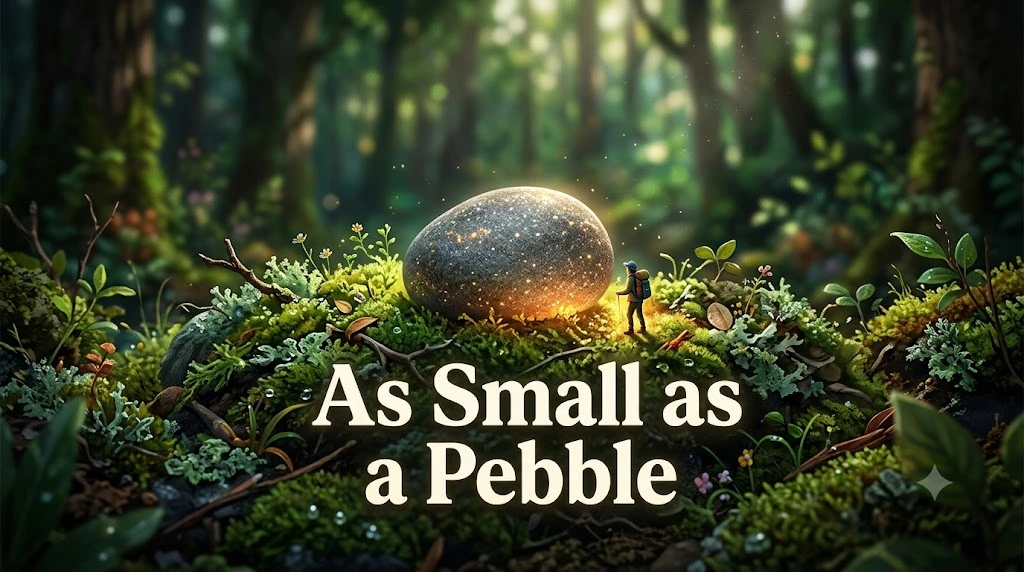
6. As Small as a Pebble
Meaning
Describes something compact, modest, or easy to overlook.
When to Use It
Works well in both creative and everyday descriptions.
Examples
- The island appeared as small as a pebble from the airplane.
- His collection started with a stone as small as a pebble.
7. As Small as a Snowflake
Meaning
Describes something tiny, unique, and delicate.
When to Use It
Great for winter writing and emotional descriptions.
Examples
- The paper cutout was as small as a snowflake.
- Her hope seemed as small as a snowflake drifting through the wind.
8. As Small as a Seed
Meaning
Represents something tiny with the potential to grow.
When to Use It
Excellent for motivational essays and symbolic writing.
Examples
- Every achievement begins as small as a seed.
- The idea was as small as a seed but soon transformed into a successful business.
9. As Small as a Ladybug
Meaning
Describes something tiny yet easy to notice.
When to Use It
Useful in children’s stories and colorful descriptions.
Examples
- The button was as small as a ladybug.
- The tiny robot moved as small as a ladybug across the desk.
10. As Small as a Leaf Bud
Meaning
Suggests something newly formed and miniature.
When to Use It
Ideal for springtime writing and themes of new beginnings.
Examples
- The fresh shoot was as small as a leaf bud.
- Her confidence started as small as a leaf bud.
11. As Small as a Drop of Honey
Meaning
Describes something tiny while suggesting sweetness or value.
When to Use It
Works well in descriptive and emotional writing.
Examples
- The golden jewel was as small as a drop of honey.
- His act of kindness seemed as small as a drop of honey but meant a lot.
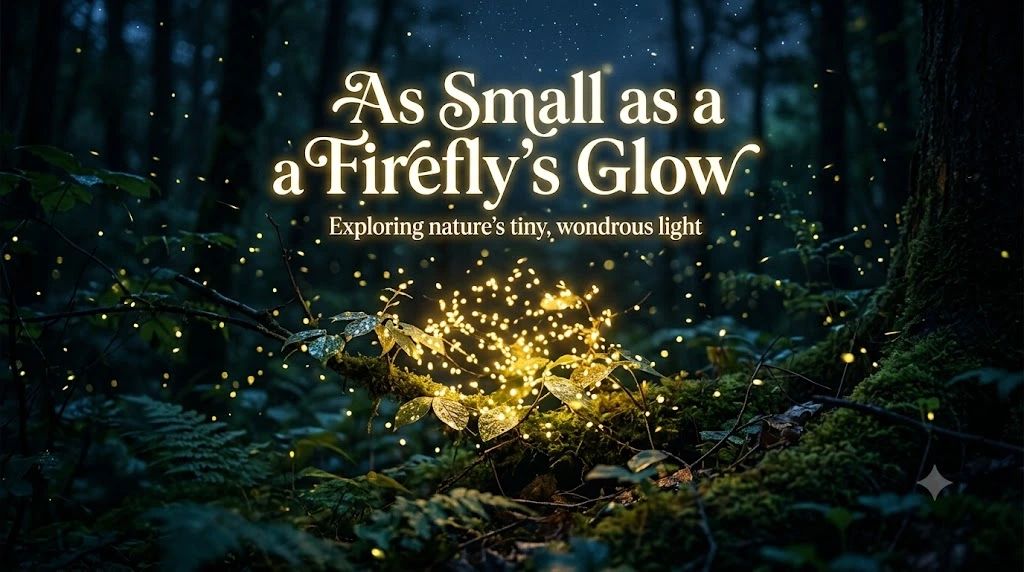
12. As Small as a Firefly’s Glow
Meaning
Represents something tiny yet noticeable.
When to Use It
Perfect for poetic descriptions and imaginative storytelling.
Examples
- The distant cabin light was as small as a firefly’s glow.
- Her smile appeared as small as a firefly’s glow in the darkness.
13. As Small as a Cherry Pit
Meaning
Describes something compact and easily hidden.
When to Use It
Useful for everyday comparisons.
Examples
- The battery was as small as a cherry pit.
- The gemstone was as small as a cherry pit but incredibly valuable.
14. As Small as a Feather Tip
Meaning
Emphasizes something fine and delicate.
When to Use It
Ideal for artistic and descriptive writing.
Examples
- The scratch was as small as a feather tip.
- The brush touched the canvas with strokes as small as a feather tip.
15. As Small as a Star in Daylight
Meaning
Describes something difficult to notice because of its tiny appearance.
When to Use It
Excellent for symbolic writing and emotional comparisons.
Examples
- His worries suddenly seemed as small as a star in daylight.
- The distant balloon became as small as a star in daylight.
How to Use Similes Effectively in Writing
Using similes for small can instantly make your descriptions more vivid and memorable. Here are a few practical tips:
- Choose comparisons your readers can easily picture.
- Draw inspiration from nature, since nature similes often feel timeless and relatable.
- Avoid overusing similes; one strong comparison is usually more effective than several weak ones.
- Match the simile to the mood of your writing, whether joyful, serious, or emotional.
- Use similes in poems to create rhythm and imagery.
- Include them in stories to make characters and settings feel more alive.
- Add them to essays carefully to explain ideas more clearly.
- Use them in songs to make lyrics more memorable.
- Study similes in literature to see how famous authors use comparisons effectively.
- Mix similes with other figurative language examples to enrich your writing.
FAQs
What are some good similes for small?
Some creative examples include as small as a dewdrop, as small as an acorn, as small as a grain of sand, as small as a seed, and as small as a snowflake.
What is the difference between a simile and a metaphor?
A simile compares two things using “like” or “as,” while a metaphor states that one thing is another without those comparison words.
Why are similes for small useful in creative writing?
They help readers visualize tiny objects, emotions, and ideas more clearly, making stories, poems, and descriptions more engaging.
Can similes be used in academic writing?
Yes. While academic writing should remain clear and professional, carefully chosen similes can simplify complex ideas and improve readability when appropriate.
How do similes improve figurative language?
Similes strengthen figurative language by creating vivid comparisons, improving imagery, and helping readers connect emotionally with the text.
Conclusion
Learning and using similes for small is a simple yet powerful way to make your writing more expressive. Whether you’re describing a tiny object, a quiet emotion, or the beginning of a great idea, the right comparison helps readers see exactly what you mean. Nature-inspired similes add freshness and beauty, while thoughtful figurative language creates stronger emotional connections. By practicing these original comparisons and exploring more similes, nature similes, similes in literature, and other figurative language examples, you’ll develop richer, more memorable writing. The smallest comparison can often leave the biggest impression, proving that even tiny details have the power to tell unforgettable stories.