
Anxiety can be difficult to describe because it often feels different for everyone. That is where similes become incredibly useful, helping writers turn invisible emotions into vivid mental pictures. Similes are an important part of figurative language because they make thoughts and feelings easier to understand through creative comparisons. Whether you are writing poetry, stories, essays, or personal reflections, the right simile can make your words more memorable and emotionally powerful. Many classic examples of similes in literature show how simple comparisons can express complex emotions with remarkable clarity.
Nature also provides endless inspiration, making nature similes especially effective for describing feelings like fear, uncertainty, and hope. Trees, in particular, are powerful symbols of strength, growth, resilience, wisdom, and human emotion, reminding us that even during life’s storms, we can remain rooted and continue growing. In this guide, you will discover similes that perfectly illustrate anxiety along with meanings, examples, and practical tips to strengthen your creative writing.
What Is a Simile?
A simile is a figure of speech that compares two different things using the words “like” or “as.” These comparisons help readers imagine emotions, actions, or objects more clearly.
Example:
Her thoughts raced like leaves caught in a whirlwind.
This comparison paints a vivid picture of a restless and anxious mind.
Like a Leaf Trembling in the Wind
Meaning
This simile describes someone feeling nervous, uncertain, or emotionally shaken.
When to Use It
It works well in emotional scenes, personal narratives, and descriptions of fear before an important event.
Examples
- She stood outside the interview room like a leaf trembling in the wind.
- His hands shook like a leaf trembling in the wind before the announcement.
Like a Rabbit Surrounded by Wolves
Meaning
It illustrates feeling vulnerable, trapped, and overwhelmed by danger.
When to Use It
Perfect for suspenseful stories or moments where a character feels threatened.
Examples
- I felt like a rabbit surrounded by wolves during the heated argument.
- The student looked like a rabbit surrounded by wolves when everyone stared.
Like a Storm Gathering on the Horizon
Meaning
This comparison represents growing anxiety before something stressful happens.
When to Use It
Ideal for building suspense or describing anticipation.
Examples
- Worry grew like a storm gathering on the horizon.
- Her fear lingered like a storm gathering on the horizon all day.
Like a Bird Trapped Inside a Cage
Meaning
It expresses feeling restricted, helpless, or unable to escape anxious thoughts.
When to Use It
Useful in emotional storytelling and reflective writing.
Examples
- His heart felt like a bird trapped inside a cage.
- She struggled like a bird trapped inside a cage, searching for relief.
Like Walking Across Thin Ice
Meaning
This simile describes constant fear that something could go wrong at any moment.
When to Use It
Excellent for workplace stress, family conflict, or uncertain situations.
Examples
- Every conversation felt like walking across thin ice.
- He answered carefully like someone walking across thin ice.
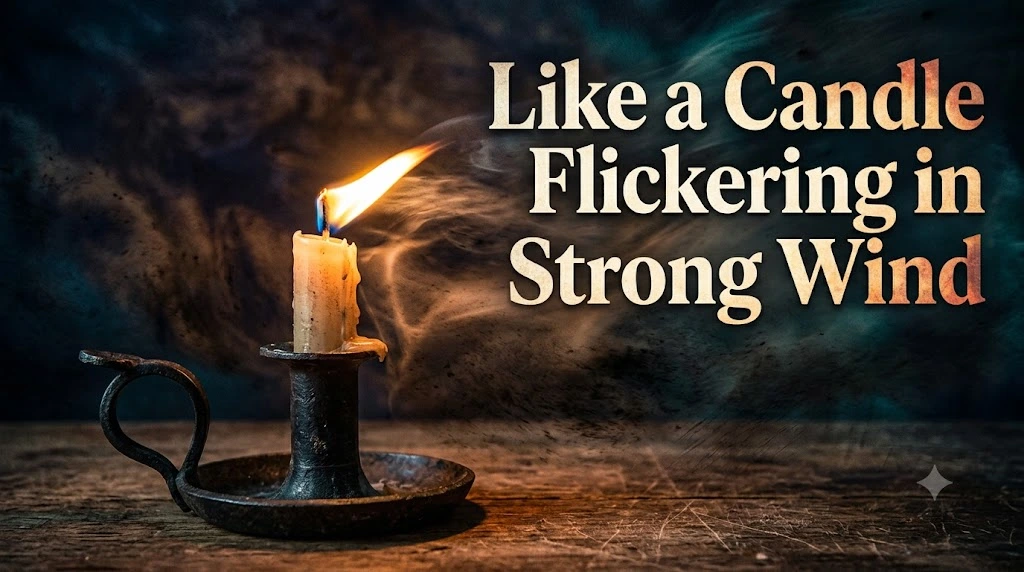
Like a Candle Flickering in Strong Wind
Meaning
It symbolizes fragile confidence under emotional pressure.
When to Use It
Best for describing self-doubt or emotional vulnerability.
Examples
- Her courage flickered like a candle in strong wind.
- My confidence felt like a candle flickering in strong wind before the speech.
Like Waves Crashing Against a Cliff
Meaning
Anxiety arrives repeatedly and powerfully, much like relentless ocean waves.
When to Use It
Ideal for describing recurring anxious thoughts.
Examples
- Fear struck like waves crashing against a cliff.
- Worries returned like waves crashing against the rocks.
Like Branches Twisting in a Storm
Meaning
It represents emotional struggle and inner conflict.
When to Use It
A wonderful nature simile for poems and reflective writing.
Examples
- Her thoughts twisted like branches in a storm.
- His emotions bent like branches during fierce winds.
Like a Clock Ticking Too Loud
Meaning
This comparison emphasizes heightened awareness and nervous anticipation.
When to Use It
Great for suspense and countdown moments.
Examples
- Every second sounded like a clock ticking too loud.
- My heartbeat echoed like a clock ticking in a silent room.
Like Standing at the Edge of a Cliff
Meaning
It captures fear of uncertainty and the unknown.
When to Use It
Useful when describing major life decisions.
Examples
- Starting college felt like standing at the edge of a cliff.
- She faced the interview like someone standing at the edge of a cliff.
Like Smoke Filling a Room
Meaning
Anxiety gradually spreads until it affects every thought.
When to Use It
Perfect for describing slow-building emotional tension.
Examples
- Worry spread like smoke filling a room.
- Fear surrounded him like smoke creeping through every corner.
Like a Drum Beating Inside the Chest

Meaning
It illustrates a racing heartbeat caused by nervousness.
When to Use It
Excellent for physical descriptions of anxiety.
Examples
- My heart pounded like a drum beating inside my chest.
- His pulse echoed like a loud drum before the performance.
Like Shadows Growing at Sunset
Meaning
It represents worries becoming larger than reality.
When to Use It
Ideal for reflective essays and emotional fiction.
Examples
- My fears grew like shadows at sunset.
- Doubts stretched like evening shadows across the road.
Like a Spider Spinning Endless Webs
Meaning
This simile describes overthinking and tangled thoughts.
When to Use It
Great for explaining mental exhaustion.
Examples
- My mind worked like a spider spinning endless webs.
- She overthought everything like a spider weaving thread after thread.
Like Roots Tangled Beneath the Earth
Meaning
Anxiety often hides beneath the surface while affecting everything above.
When to Use It
Excellent for symbolic writing and emotional essays.
Examples
- His worries spread like tangled roots beneath the earth.
- Anxiety remained hidden like roots quietly growing underground.
How to Use Similes Effectively in Writing
Strong similes can transform ordinary sentences into memorable descriptions. Here are practical ways to use them effectively:
- Choose comparisons that your readers can easily imagine.
- Match the simile to the mood of your writing.
- Draw inspiration from nature, seasons, weather, and everyday life.
- Avoid mixing too many similes in one paragraph.
- Keep comparisons fresh instead of relying only on common expressions.
- Use similes to reveal emotions rather than simply stating them.
- In poems, let similes create rhythm and vivid imagery.
- In stories, use them to develop characters and emotional scenes.
- In essays, include them sparingly to make explanations more engaging.
- In songs and creative descriptions, focus on comparisons that evoke strong feelings.
FAQs
What are the best similes that perfectly illustrate anxiety?
Some effective examples include like a leaf trembling in the wind, like smoke filling a room, like walking across thin ice, and like a storm gathering on the horizon. These comparisons help readers visualize anxious emotions clearly.
What is the difference between a simile and a metaphor?
A simile compares two things using like or as, while a metaphor states that one thing is another without using comparison words.
Simile: Her fear was like a rising tide.
Metaphor: Her fear was a rising tide.
Why are similes useful in creative writing?
Similes create vivid imagery, improve emotional impact, and make characters, settings, and feelings easier for readers to imagine. They are widely used in novels, poems, speeches, and similes in literature because they add depth and clarity.
Can similes be used in academic writing?
Yes, but they should be used carefully. In academic writing, similes can clarify complex ideas or make explanations more engaging, provided they remain relevant and professional.
How can I create original similes?
Look closely at everyday experiences, natural objects, emotions, and actions. Then connect them through meaningful comparisons that help readers visualize your intended message in a fresh and memorable way.
Conclusion
Learning to use similes that perfectly illustrate anxiety allows writers to express difficult emotions with greater clarity, creativity, and emotional impact. Whether inspired by storms, trees, waves, shadows, or other elements of nature, these comparisons help readers connect with feelings that can otherwise be hard to explain. By combining thoughtful similes, vivid nature similes, and expressive figurative language examples, you can enrich stories, poems, essays, and personal writing alike. The best similes in literature remain memorable because they transform ordinary emotions into unforgettable images. Practice creating your own comparisons, experiment with different perspectives, and let your writing grow stronger with every carefully chosen simile. With the right comparison, even the most complex feelings can become beautifully clear and deeply meaningful.