
A smile can express joy, kindness, comfort, love, and hope without saying a single word. One of the best ways to describe a smile vividly is by using similes. Similes compare one thing to another using the words like or as, helping readers create clear mental images. They are one of the most popular tools in figurative language because they make writing more engaging and memorable. From classic similes in literature to modern creative comparisons, similes help writers paint emotions with precision.
Nature often inspires the most meaningful similes, making nature similes especially powerful for describing feelings and expressions. Trees, for example, are powerful symbols of strength, growth, resilience, wisdom, and human emotion, reminding us that even simple images from nature can deepen our writing. In this guide, you’ll discover heartwarming similes for smile that will enrich your stories, poems, essays, and everyday conversations with warmth and creativity.
What Is a Simile?
A simile is a figure of speech that compares two different things using the words “like” or “as.” It helps readers understand an idea by connecting it with something familiar.
Example:
Her smile was as bright as the morning sun.
This comparison instantly creates a cheerful and vivid image, making the description more expressive than simply saying she smiled happily.
1. As Warm as the Morning Sun
Meaning: A smile that makes others feel welcomed, loved, and comfortable.
When to Use It: Perfect for describing friendly characters, heartfelt reunions, or comforting moments.
Examples:
- Her smile was as warm as the morning sun, making everyone feel at home.
- The teacher greeted every student with a smile as warm as the morning sun.
2. Like a Flower Blooming in Spring
Meaning: A smile that appears naturally and beautifully after happiness or hope.
When to Use It: Ideal for joyful moments, emotional healing, or new beginnings.
Examples:
- His smile opened like a flower blooming in spring after hearing the good news.
- The little girl’s smile was like a flower blooming in spring.
3. As Bright as a Rainbow After Rain
Meaning: A smile that brings hope after sadness or difficult times.
When to Use It: Excellent for emotional storytelling and uplifting scenes.
Examples:
- Her smile was as bright as a rainbow after rain.
- Seeing his family again filled his face with a smile as bright as a rainbow after rain.
4. Like a Gentle Breeze on a Summer Day
Meaning: A calm, peaceful smile that relaxes everyone nearby.
When to Use It: Useful when describing kind, patient, or comforting personalities.
Examples:
- Her smile felt like a gentle breeze on a summer day.
- The nurse welcomed patients with a smile like a gentle breeze.
5. As Soft as Falling Snow
Meaning: A quiet, tender, and sincere smile.
When to Use It: Perfect for romantic scenes or peaceful conversations.
Examples:
- His smile was as soft as falling snow.
- She answered with a smile as soft as falling snow.
6. Like the First Star at Twilight

Meaning: A smile that quietly shines and catches attention.
When to Use It: Great for describing subtle beauty or gentle confidence.
Examples:
- Her smile appeared like the first star at twilight.
- He smiled like the first star at twilight, quietly lighting the room.
7. As Sweet as Fresh Honey
Meaning: A smile filled with kindness and affection.
When to Use It: Ideal for describing loving family members, friends, or children.
Examples:
- Grandma’s smile was as sweet as fresh honey.
- His smile remained as sweet as fresh honey throughout the conversation.
8. Like Sunshine Breaking Through Clouds
Meaning: A smile that instantly changes sadness into happiness.
When to Use It: Excellent for emotional transformations.
Examples:
- Her smile was like sunshine breaking through clouds.
- His face brightened like sunshine breaking through clouds.
9. As Bright as a Field of Sunflowers
Meaning: A joyful, energetic, and unforgettable smile.
When to Use It: Perfect for cheerful personalities.
Examples:
- Her smile was as bright as a field of sunflowers.
- The children welcomed visitors with smiles as bright as a field of sunflowers.
10. Like a Candle in the Darkness
Meaning: A smile that offers comfort during difficult times.
When to Use It: Ideal for inspirational or emotional writing.
Examples:
- Her smile was like a candle in the darkness.
- Even during hard times, his smile remained like a candle in the darkness.
11. As Refreshing as Spring Rain
Meaning: A smile that brings peace and renewed hope.
When to Use It: Useful in stories about recovery, encouragement, or friendship.
Examples:
- Her smile was as refreshing as spring rain.
- His cheerful smile felt as refreshing as spring rain after a stressful day.
12. Like Moonlight on a Quiet Lake
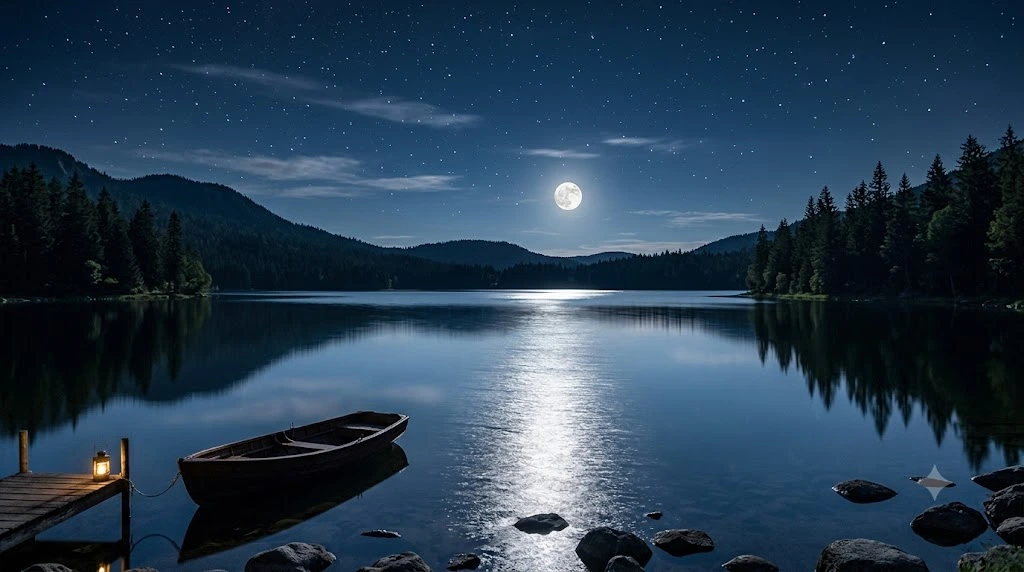
Meaning: A peaceful, graceful, and elegant smile.
When to Use It: Excellent for descriptive and romantic writing.
Examples:
- Her smile shimmered like moonlight on a quiet lake.
- He admired her smile like moonlight on a quiet lake.
13. As Colorful as a Garden in Bloom
Meaning: A lively smile full of happiness and positive energy.
When to Use It: Perfect for celebrations and joyful occasions.
Examples:
- Her smile was as colorful as a garden in bloom.
- Their smiles made the wedding feel as colorful as a garden in bloom.
14. Like Birds Singing at Dawn
Meaning: A smile that spreads happiness and optimism.
When to Use It: Ideal for hopeful or uplifting writing.
Examples:
- Her smile was like birds singing at dawn.
- He greeted everyone with a smile like birds singing at dawn.
15. As Timeless as an Ancient Oak
Meaning: A smile that reflects wisdom, trust, and lasting kindness.
When to Use It: Excellent for describing grandparents, mentors, or respected leaders.
Examples:
- His smile was as timeless as an ancient oak.
- The old storyteller shared memories with a smile as timeless as an ancient oak.
How to Use Similes Effectively in Writing
Strong similes make your writing more vivid, emotional, and memorable. Here are some practical tips:
- Choose meaningful comparisons that match the mood of your writing.
- Use nature similes to create beautiful imagery that readers instantly recognize.
- Avoid clichés by creating fresh and original comparisons whenever possible.
- Keep the comparison simple so readers understand it immediately.
- Match the emotion of the simile with your scene or character.
- Use similes sparingly to maintain their impact.
- Mix similes with other figurative language examples such as imagery and personification for richer writing.
- Study similes in literature to learn how experienced authors create memorable descriptions.
- Practice writing comparisons for everyday objects and emotions to improve your creativity.
- Revise your similes to ensure they sound natural and enhance your overall message.
FAQs
What are heartwarming similes for smile?
Heartwarming similes for smile are comparisons that describe a smile using comforting, joyful, or beautiful images, such as “as warm as the morning sun” or “like sunshine breaking through clouds.”
What is the difference between a simile and a metaphor?
A simile compares two things using like or as, while a metaphor directly states that one thing is another without using those comparison words.
Why are similes useful in creative writing?
Similes help readers visualize emotions, settings, and characters more clearly. They make stories, poems, and songs more engaging by creating memorable imagery.
Can similes be used in academic writing?
Yes. Similes can be effective in academic writing when used carefully to explain complex ideas, improve clarity, or make examples more relatable, though they should be used sparingly in formal contexts.
How can I write original similes for smiles?
Observe real emotions, draw inspiration from nature, everyday life, or personal experiences, and create comparisons that fit the tone of your writing instead of relying only on common expressions.
Conclusion
Using heartwarming similes for smile allows writers to transform ordinary descriptions into vivid, emotional experiences that readers remember. Whether you compare a smile to the morning sun, blooming flowers, gentle breezes, or ancient trees, each comparison adds warmth, personality, and visual richness to your writing. Thoughtfully chosen similes strengthen figurative language, create unforgettable imagery, and make emotions feel authentic. They are valuable tools for poems, stories, essays, speeches, and even everyday conversations. By practicing fresh comparisons and learning from classic similes in literature, you can develop a writing style that is both expressive and memorable. Let these heartwarming similes inspire your creativity and help every smile you describe shine with clarity, beauty, and emotional depth.