
Summer is a season filled with sunshine, warm breezes, blooming gardens, family adventures, and unforgettable memories. One of the best ways to describe its beauty is through similes, which create vivid comparisons that readers can instantly imagine. Similes are an important part of figurative language because they make ordinary descriptions more colorful, emotional, and engaging. Whether you’re writing a story, poem, essay, or social media caption, the right simile can bring your words to life. Nature provides endless inspiration for meaningful comparisons, especially during the vibrant summer months.
Trees, in particular, are powerful symbols of strength, growth, resilience, wisdom, and human emotion, making them perfect sources of creative imagery. Learning to use similes for summer helps writers paint bright, memorable scenes that capture the spirit of the season. In this guide, you’ll discover original summer similes, practical writing tips, and examples that will strengthen your creative writing skills.
What Is a Simile?
A simile is a figure of speech that compares two different things using the words “like” or “as.” These comparisons help readers better understand an idea by connecting it to something familiar.
Example:
The summer sky was as blue as a polished sapphire.
This comparison instantly creates a vivid mental image while making the description more expressive and memorable.
As Bright as the Noon Sun
Meaning
This simile describes someone or something that is extremely bright, cheerful, or full of energy.
When to Use It
Use this simile when describing sunny weather, happy personalities, joyful moments, or glowing landscapes.
Examples
- Her smile was as bright as the noon sun, lighting up the entire room.
- The beach sparkled as bright as the noon sun after the morning tide.
Like a Gentle Summer Breeze
Meaning
This simile represents calmness, comfort, freshness, or kindness.
When to Use It
Perfect for describing peaceful emotions, relaxing places, or comforting people.
Examples
- His encouraging words felt like a gentle summer breeze after a stressful day.
- The cool wind drifted like a gentle summer breeze across the meadow.
As Golden as a Field of Wheat
Meaning
This comparison symbolizes warmth, richness, beauty, and abundance.
When to Use It
Ideal for sunsets, hair, landscapes, or glowing light.
Examples
- The evening sky became as golden as a field of wheat.
- Her hair shimmered as golden as a field of wheat in the sunlight.
Like Ice Cream on a Hot Afternoon
Meaning
This simile expresses something refreshing, comforting, or enjoyable.
When to Use It
Best for describing relief, happiness, or pleasant experiences.
Examples
- The cold lemonade tasted like ice cream on a hot afternoon.
- His good news felt like ice cream on a hot afternoon.
As Endless as Summer Days
Meaning
Represents something that feels long, relaxing, or never-ending.
When to Use It
Excellent for vacations, childhood memories, or peaceful afternoons.
Examples
- Their conversations seemed as endless as summer days.
- The holiday felt as endless as summer days.
Like Fireflies Dancing at Dusk
Meaning
Describes magical beauty, wonder, or gentle movement.
When to Use It
Perfect for romantic writing, poetry, or nature descriptions.
Examples
- Her eyes sparkled like fireflies dancing at dusk.
- Tiny lights flickered like fireflies dancing at dusk.
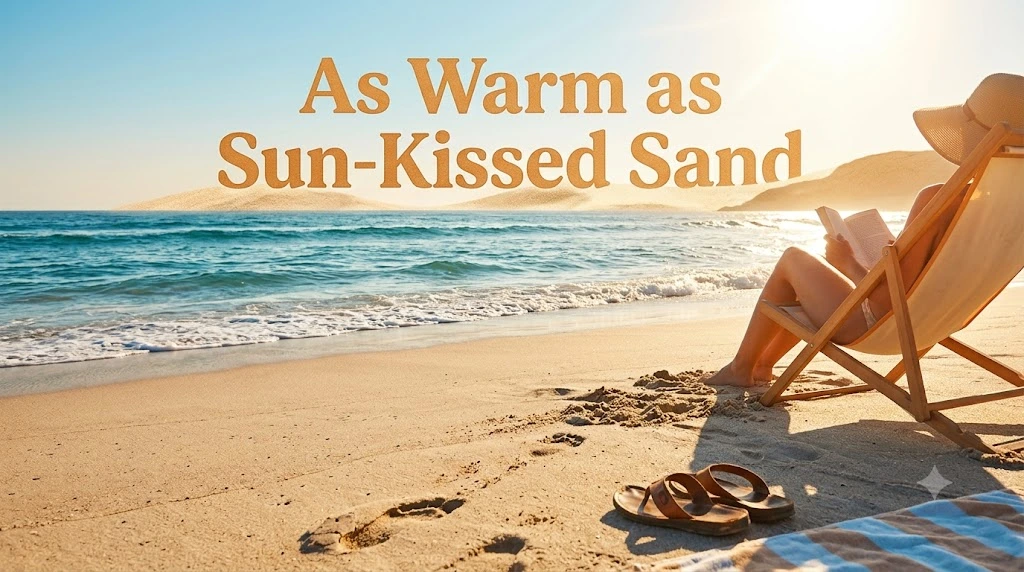
As Warm as Sun-Kissed Sand
Meaning
Shows warmth, comfort, affection, or friendliness.
When to Use It
Useful when describing personalities, hugs, beaches, or pleasant weather.
Examples
- Her welcome was as warm as sun-kissed sand.
- The shoreline remained as warm as sun-kissed sand until sunset.
Like Waves Rolling onto the Shore
Meaning
Represents steady movement, rhythm, or repeated emotions.
When to Use It
Great for describing laughter, music, crowds, or emotions.
Examples
- Laughter spread like waves rolling onto the shore.
- Memories returned like waves rolling onto the shore.
As Colorful as a Summer Garden
Meaning
Describes something vibrant, lively, or full of variety.
When to Use It
Ideal for festivals, clothing, celebrations, or personalities.
Examples
- The market looked as colorful as a summer garden.
- Her imagination was as colorful as a summer garden.
Like Birds Singing at Sunrise
Meaning
Represents joy, hope, and a cheerful beginning.
When to Use It
Perfect for happy mornings, optimism, or uplifting moments.
Examples
- The children laughed like birds singing at sunrise.
- His voice sounded like birds singing at sunrise.
As Sweet as Fresh Summer Berries
Meaning
Expresses kindness, sweetness, or delightful experiences.
When to Use It
Suitable for compliments, food descriptions, or happy memories.
Examples
- Her kindness was as sweet as fresh summer berries.
- The homemade pie tasted as sweet as fresh summer berries.
Like a Tree Reaching for the Sky
Meaning
Represents growth, hope, determination, and resilience.
When to Use It
Excellent for inspirational writing, personal development, or nature similes.
Examples
- She stood like a tree reaching for the sky, full of confidence.
- His dreams grew like a tree reaching for the sky.
As Refreshing as Rain After Heat
Meaning
Describes relief after difficulty or something wonderfully renewing.
When to Use It
Useful for emotional writing, weather descriptions, or positive changes.
Examples
- The apology felt as refreshing as rain after heat.
- The cool shower was as refreshing as rain after heat.
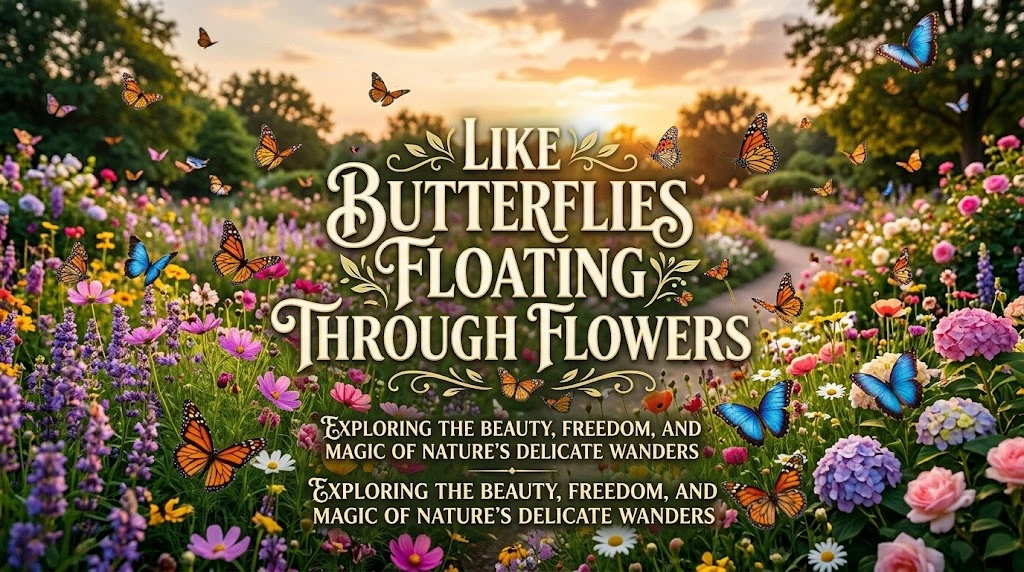
Like Butterflies Floating Through Flowers
Meaning
Represents grace, freedom, beauty, and light movement.
When to Use It
Perfect for describing dancers, children, or peaceful scenes.
Examples
- The dancers moved like butterflies floating through flowers.
- The children skipped like butterflies floating through flowers.
As Joyful as a Summer Picnic
Meaning
Expresses happiness, togetherness, celebration, and fun.
When to Use It
Ideal for family events, friendships, and cheerful occasions.
Examples
- Their reunion was as joyful as a summer picnic.
- The celebration felt as joyful as a summer picnic.
How to Use Similes Effectively in Writing
Using similes for summer becomes much easier when you focus on creating comparisons that feel natural and meaningful. Keep these tips in mind:
- Choose comparisons your readers can easily picture.
- Use nature similes to create strong visual imagery.
- Avoid overusing similes in every sentence.
- Match the simile to the mood of your writing.
- Make your comparisons original instead of relying only on common expressions.
- Read your sentence aloud to ensure it flows naturally.
- Use similes in poems to create emotion and rhythm.
- Add them to stories to help readers visualize scenes.
- Include them in essays when appropriate to make descriptive writing more engaging.
- Enhance songs, speeches, and creative descriptions with carefully chosen figurative language examples.
Strong similes improve readability while making your writing more memorable and expressive.
FAQs
What are some good similes for summer?
Some creative similes for summer include as bright as the noon sun, like a gentle summer breeze, as colorful as a summer garden, and like fireflies dancing at dusk. These comparisons create vivid seasonal imagery.
What is the difference between a simile and a metaphor?
A simile compares two things using like or as, while a metaphor makes a direct comparison without those words.
Simile: The lake was like a mirror.
Metaphor: The lake was a mirror.
Why are summer similes useful in creative writing?
Summer similes help readers imagine bright landscapes, warm weather, joyful emotions, and peaceful outdoor scenes. They add color, movement, and emotional depth to descriptions.
Can similes be used in academic writing?
Yes. While academic writing is usually more formal, similes can be useful in descriptive essays, literature analysis, and creative assignments where vivid language improves understanding.
- How do similes improve figurative language?
Similes make writing more engaging by creating memorable comparisons that help readers visualize ideas, connect with emotions, and better understand descriptive language.
Conclusion
Mastering similes for summer is a simple yet powerful way to make your writing more vivid, engaging, and emotionally meaningful. Whether you’re describing sunny beaches, blooming gardens, peaceful trees, or unforgettable vacations, well-crafted similes help readers experience every scene more clearly. Nature-inspired comparisons bring warmth, movement, and imagination to poems, stories, essays, and everyday writing. By practicing original figurative language examples and thoughtful nature similes, you’ll develop stronger descriptive skills while keeping your writing fresh and memorable. The next time you write about summer, let creative comparisons brighten every sentence and transform ordinary descriptions into unforgettable images.