
Similes are one of the easiest and most effective ways to make writing more colourful and memorable. They help readers picture ideas by comparing one thing to another using the words like or as. Whether you are writing a story, poem, speech, or essay, powerful examples of similes can instantly create vivid mental images. They are an essential part of figurative language because they make descriptions feel more alive and emotionally engaging. Nature often inspires the best similes, with trees, rivers, mountains, and skies offering timeless comparisons.
Trees, in particular, are powerful symbols of strength, growth, resilience, wisdom, and human emotion, making them perfect inspiration for meaningful comparisons. From classic similes in literature to modern creative expressions, these comparisons help writers communicate with clarity and imagination. In this guide, you’ll discover powerful examples of similes, learn how they work, and explore practical ways to use them in your own writing.
What Is a Simile?
A simile is a figure of speech that compares two different things using the words “like” or “as.” The comparison helps readers better understand an idea by connecting it to something familiar.
Example:
Her determination was as strong as an ancient oak tree.
This simile compares determination to the strength of an oak tree, helping readers immediately picture resilience and endurance.
1. As Strong as an Ancient Oak
Meaning
This simile describes someone or something with remarkable strength, stability, and endurance.
Usage Insight
Use this comparison when writing about courage, leadership, resilience, or emotional strength.
Examples
- Despite every setback, she remained as strong as an ancient oak.
- His confidence stood as strong as an ancient oak during the difficult interview.
2. Like a River Finding the Sea
Meaning
It describes someone naturally moving toward their purpose or destiny.
Usage Insight
Perfect for stories about personal growth, ambition, and life journeys.
Examples
- Her career unfolded like a river finding the sea.
- His dreams carried him forward like a river finding the sea.
3. As Bright as the Morning Sun
Meaning
Represents happiness, optimism, intelligence, or hope.
Usage Insight
Excellent for describing cheerful personalities or uplifting moments.
Examples
- Her smile was as bright as the morning sun.
- The child’s excitement felt as bright as the morning sun.
4. Like Leaves Dancing in the Wind
Meaning
Describes graceful, carefree, or joyful movement.
Usage Insight
Works beautifully in poetry, descriptive writing, and nature-inspired scenes.
Examples
- The dancers moved like leaves dancing in the wind.
- Her laughter floated like leaves dancing in the wind.
5. As Calm as a Still Lake
Meaning
Shows complete peace, patience, and emotional balance.
Usage Insight
Ideal for describing thoughtful characters or peaceful settings.
Examples
- He remained as calm as a still lake throughout the meeting.
- The classroom became as calm as a still lake after the announcement.
6. Like Stars Lighting the Night
Meaning
Represents hope, inspiration, or guidance during difficult times.
Usage Insight
Use when describing encouragement, kindness, or memorable achievements.
Examples
- Her words shone like stars lighting the night.
- Small victories appeared like stars lighting the night.
7. As Gentle as Falling Snow
Meaning
Expresses softness, kindness, or quiet behaviour.
Usage Insight
Perfect for emotional scenes or gentle characters.
Examples
- His voice was as gentle as falling snow.
- The teacher spoke as gentle as falling snow to the nervous student.
8. Like Fire Spreading Through Dry Grass
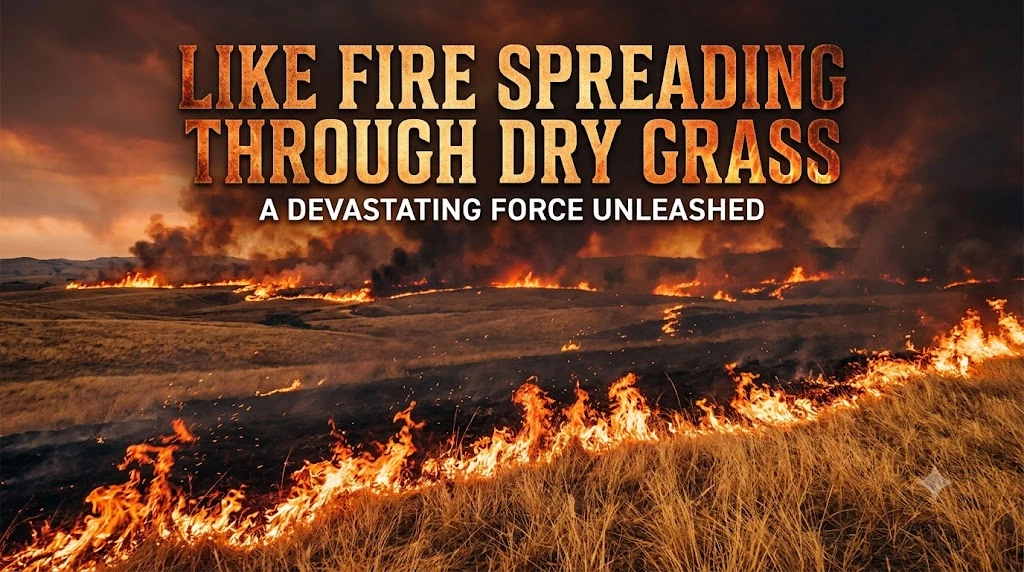
Meaning
Describes something happening rapidly or intensely.
Usage Insight
Useful for excitement, rumours, emotions, or dramatic action.
Examples
- The news spread like fire through dry grass.
- Excitement raced through the crowd like fire through dry grass.
9. As Deep as the Ocean
Meaning
Represents profound emotions, wisdom, or knowledge.
Usage Insight
Common in literature when describing love, thought, or mystery.
Examples
- Her compassion was as deep as the ocean.
- His understanding grew as deep as the ocean.
10. Like an Eagle Soaring Above the Clouds
Meaning
Symbolises ambition, confidence, and freedom.
Usage Insight
Excellent for motivational writing and inspirational speeches.
Examples
- She approached every challenge like an eagle soaring above the clouds.
- His imagination flew like an eagle soaring above the clouds.
11. As Steady as a Lighthouse
Meaning
Describes reliability and unwavering support.
Usage Insight
Great for writing about trusted friends, mentors, or leaders.
Examples
- My grandfather remained as steady as a lighthouse.
- Her advice was as steady as a lighthouse during difficult times.
12. Like Rain Refreshing a Garden
Meaning
Represents renewal, encouragement, and positive change.
Usage Insight
Ideal for describing inspiration or emotional healing.
Examples
- Her encouragement felt like rain refreshing a garden.
- Fresh ideas arrived like rain refreshing a garden.
13. As Sharp as Winter Ice
Meaning
Describes intelligence, focus, or keen observation.
Usage Insight
Useful for academic writing, mysteries, or professional descriptions.
Examples
- His memory remained as sharp as winter ice.
- The detective’s attention was as sharp as winter ice.
14. Like a Mountain Standing Against the Storm
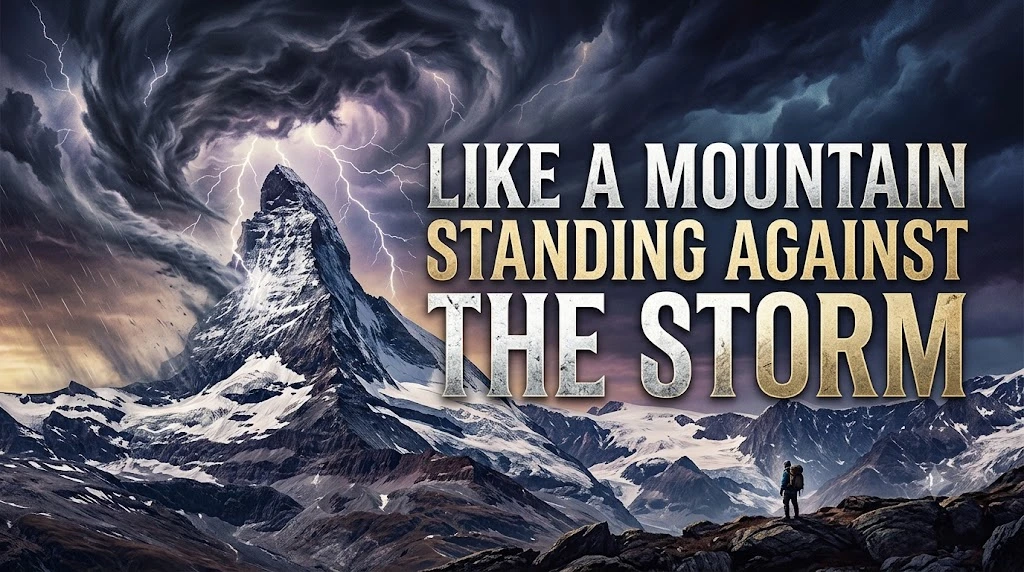
Meaning
Represents courage and determination despite challenges.
Usage Insight
Perfect for inspirational stories and leadership writing.
Examples
- She stood like a mountain against the storm.
- The community remained united like a mountain against the storm.
15. As Timeless as the Forest
Meaning
Suggests lasting beauty, wisdom, or tradition.
Usage Insight
Works well when describing values, memories, or enduring ideas.
Examples
- Their friendship felt as timeless as the forest.
- Great literature remains as timeless as the forest.
How to Use Similes Effectively in Writing
Using powerful examples of similes thoughtfully can transform ordinary writing into memorable storytelling. Here are some practical tips:
- Choose relatable comparisons. Compare ideas with things readers already understand.
- Draw inspiration from nature. Trees, rivers, mountains, flowers, and seasons create vivid and meaningful nature similes.
- Avoid clichés when possible. Fresh comparisons leave a stronger impression.
- Match the tone. Gentle similes suit emotional scenes, while bold comparisons fit action or drama.
- Don’t overuse similes. A few well-placed comparisons have greater impact than too many.
- Use similes in poems. They create rhythm, imagery, and emotional expression.
- Strengthen stories. Similes help readers visualise settings, characters, and emotions.
- Improve essays. Carefully chosen figurative language examples make descriptive and narrative essays more engaging.
- Enhance songs. Songwriters use similes to create memorable lyrics and emotional connections.
- Create vivid descriptions. Similes make ordinary scenes feel fresh and imaginative.
FAQs
What are powerful examples of similes?
Powerful examples of similes are creative comparisons that use like or as to create vivid imagery, express emotions, and make writing more memorable. Examples include “as strong as an ancient oak” and “like stars lighting the night.”
What is the difference between a simile and a metaphor?
A simile compares two things using like or as, while a metaphor states that one thing is another without using comparison words.
Simile: Her voice was like music.
Metaphor: Her voice was music.
Why are similes important in creative writing?
Similes help readers visualise scenes, understand emotions, and connect with characters. They add colour, imagination, and depth to poems, stories, novels, and songs.
Can similes be used in academic writing?
Yes. While formal academic writing should use figurative language sparingly, similes can make presentations, speeches, and descriptive essays clearer and more engaging when used appropriately.
Where are similes commonly found?
Similes appear in literature, poetry, songs, speeches, advertisements, everyday conversations, and many forms of creative writing because they make ideas easier to understand and remember.
Conclusion
Powerful examples of similes are more than simple comparisons—they are tools that transform ordinary language into vivid, memorable expression. By comparing ideas through familiar images from nature, daily life, and human experience, similes make writing richer, clearer, and more emotionally engaging. Whether you are crafting poems, stories, essays, speeches, or creative descriptions, the right simile can capture attention and leave a lasting impression. Nature-inspired comparisons, especially those involving strong and resilient trees, continue to remind us of growth, wisdom, courage, and hope. As you practise using similes, focus on choosing fresh, meaningful comparisons that suit your message and audience. With creativity and careful word choice, powerful examples of similes will help you communicate with greater clarity, spark imagination, and bring every piece of writing to life.