
Darkness can feel mysterious, peaceful, frightening, or deeply emotional, and similes help us describe these feelings with vivid images. A simile compares one thing to another using words such as “like” or “as” to make an idea easier to imagine. In figurative language, similes are important because they turn simple descriptions into memorable pictures that readers can almost see and feel. When we describe something as dark as a moonless night, for example, the comparison immediately creates a stronger image than simply saying it is dark. Nature is especially useful for creating powerful similes because forests, storms, shadows, caves, and night skies provide familiar images for comparison.
Trees are also powerful symbols of strength, growth, resilience, wisdom, and human emotion, making them meaningful subjects for nature similes and creative descriptions. Writers can use comparisons involving trees, roots, branches, and deep forests to express emotional or physical darkness in fresh ways. Whether you are writing a poem, story, essay, song, or descriptive passage, the right simile can give darkness greater clarity, imagery, and emotional depth.
What Is a Simile?
A simile is a figure of speech that compares two different things using words such as “like” or “as.” It helps readers understand an idea by connecting it to something familiar or vivid.
Example: The abandoned hallway was as dark as a cave.
This comparison makes the darkness easier to imagine because caves are naturally associated with deep, enclosed darkness.
1. Dark as a Moonless Night
Meaning: This simile describes darkness that is deep, complete, and almost without any visible light.
Usage Insight: It works especially well in poetry, stories, and nature descriptions when you want to create a mysterious or quiet atmosphere.
Examples:
- The forest was as dark as a moonless night, and every rustling leaf sounded unusually loud.
- Her thoughts felt as dark as a moonless night after the difficult conversation.
2. Dark as a Hidden Cave
Meaning: This comparison suggests a darkness that is deep, enclosed, and difficult to see through.
Usage Insight: Use it when describing enclosed places, mysterious settings, or emotions that feel buried beneath the surface.
Examples:
- The old tunnel was as dark as a hidden cave beneath the mountain.
- His memories remained as dark as a hidden cave that he rarely dared to enter.
3. Dark as a Storm Cloud
Meaning: This simile suggests a heavy, gloomy, or threatening kind of darkness.
Usage Insight: It is useful when darkness carries a sense of tension, sadness, or approaching danger.
Examples:
- The sky became as dark as a storm cloud before the rain finally arrived.
- A worry hung over her as dark as a storm cloud.
4. Dark as the Deepest Forest
Meaning: This comparison presents darkness as thick, mysterious, and difficult to penetrate.
Usage Insight: This is a strong choice for nature similes, adventure stories, and descriptions of unfamiliar places.
Examples:
- The trail disappeared into a place as dark as the deepest forest.
- The room seemed as dark as the deepest forest after the lights went out.
5. Dark as Ink
Meaning: This simile describes a solid, rich, almost black darkness.
Usage Insight: It works particularly well in visual descriptions because ink gives readers a familiar image of deep blackness.
Examples:
- The night sky was as dark as ink, with only a few stars breaking through.
- Smoke filled the doorway, making it as dark as ink.
6. Dark as a Shadow Under Ancient Trees
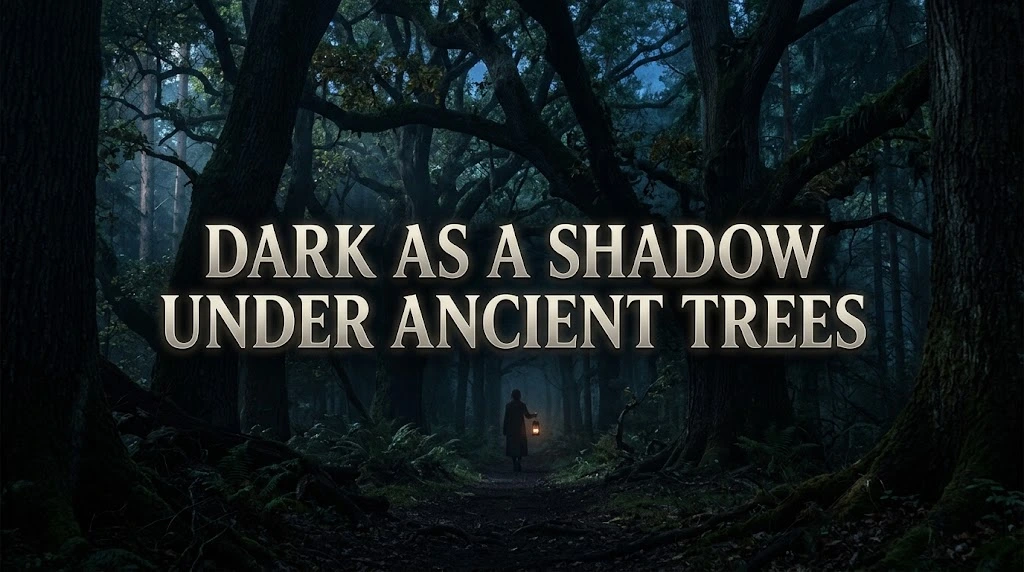
Meaning: This comparison suggests cool, deep, natural darkness created by thick branches and dense leaves.
Usage Insight: It is ideal for nature writing and descriptions where darkness should feel peaceful rather than frightening.
Examples:
- The garden path was as dark as a shadow under ancient trees.
- He rested beneath the branches, where the afternoon became as dark as a shadow under ancient trees.
7. Dark as a Starless Sky
Meaning: This simile describes darkness that feels vast, empty, and completely without light.
Usage Insight: It is especially effective for emotional writing when darkness represents loneliness, uncertainty, or emptiness.
Examples:
- The night above the village was as dark as a starless sky.
- After losing his closest friend, his world seemed as dark as a starless sky.
8. Dark as a Wolf’s Den
Meaning: This comparison creates an image of deep, enclosed, and slightly threatening darkness.
Usage Insight: It works well in fantasy, adventure, and suspense writing where you want darkness to feel wild or dangerous.
Examples:
- The narrow entrance was as dark as a wolf’s den.
- The cave looked as dark as a wolf’s den from the outside.
9. Dark as Charcoal
Meaning: This simile describes something that is intensely dark with a dull, earthy quality.
Usage Insight: It works well when describing objects, smoke, walls, clothing, or landscapes rather than emotional darkness.
Examples:
- The clouds turned as dark as charcoal above the distant hills.
- His coat was as dark as charcoal against the snowy background.
10. Dark as the Space Between the Stars
Meaning: This comparison suggests a vast and profound darkness rather than ordinary nighttime darkness.
Usage Insight: Use it for poetic writing when you want darkness to feel enormous, mysterious, or almost timeless.
Examples:
- The empty road stretched into the distance, as dark as the space between the stars.
- Her silence felt as dark as the space between the stars.
11. Dark as a Hollow Tree
Meaning: This simile presents darkness as hidden, deep, and enclosed within something natural.
Usage Insight: It is particularly effective when connecting darkness with trees, forests, secrets, or hidden emotions.
Examples:
- The opening in the trunk was as dark as a hollow tree.
- His secret remained as dark as a hollow tree deep in the forest.
12. Dark as a Midnight River
Meaning: This comparison suggests darkness that is smooth, deep, and constantly moving.
Usage Insight: It works beautifully in poetic descriptions of water, nighttime landscapes, and reflective scenes.
Examples:
- The river flowed through the valley as dark as a midnight river.
- Her thoughts moved quietly, as dark as a midnight river beneath the moon.
13. Dark as a Forgotten Room
Meaning: This simile describes darkness connected with abandonment, age, secrecy, or forgotten memories.
Usage Insight: It is useful for stories involving old houses, memories, mysteries, and emotional isolation.
Examples:
- The attic was as dark as a forgotten room, filled with dust and old photographs.
- The memory felt as dark as a forgotten room that no one had entered for years.
14. Dark as Roots Beneath the Earth
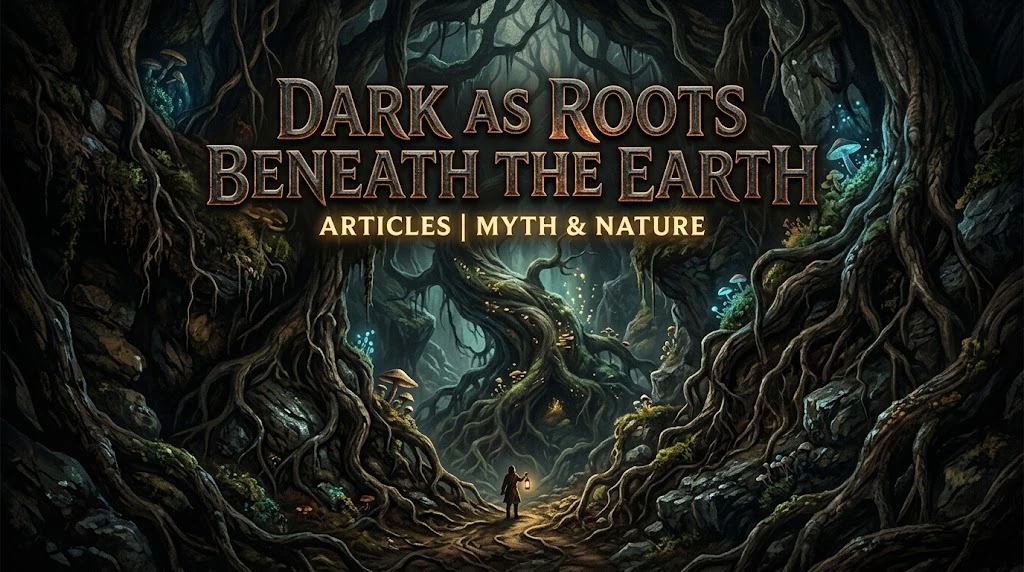
Meaning: This comparison suggests darkness that is deep, hidden, and connected to something beneath the surface.
Usage Insight: It is especially powerful when writing about hidden emotions, inner struggles, nature, or personal history.
Examples:
- His fear ran as dark as roots beneath the earth.
- Beneath her calm expression, sadness stretched as dark as roots beneath the earth.
15. Dark as a Forest Before Dawn
Meaning: This simile describes darkness at its deepest point while suggesting that light may soon appear.
Usage Insight: It is ideal for inspirational writing because it combines darkness with the possibility of hope and change.
Examples:
- The valley was as dark as a forest before dawn, but the horizon was beginning to glow.
- His hardest days felt as dark as a forest before dawn, yet he continued moving forward.
How to Use Similes Effectively in Writing
Using similes effectively is not simply about adding the words “like” or “as.” A strong comparison should help readers see, feel, or understand the subject more clearly.
1. Choose Familiar Images
Compare darkness with things readers already understand, such as caves, forests, clouds, ink, or moonless nights. Familiar images make figurative language examples easier to understand.
2. Match the Mood
Not every dark simile should sound frightening. A dark forest may create suspense, while darkness beneath ancient trees can create peace. Choose a comparison that matches the emotion of your scene.
3. Use Nature Similes
Nature provides endless comparisons. Trees, roots, rivers, storms, mountains, clouds, and night skies can make descriptions more vivid and memorable.
4. Avoid Overusing Similes
Too many comparisons can make writing feel crowded. Choose one strong simile instead of several weak ones that communicate the same idea.
5. Make the Comparison Relevant
The two things being compared should share an understandable quality. If you describe sadness as “dark as roots beneath the earth,” the connection works because both ideas suggest something hidden and deep.
6. Use Similes in Different Types of Writing
Poems: Use emotional and imaginative comparisons to create atmosphere.
Stories: Use similes to establish setting, suspense, character emotions, and mood.
Essays: Use occasional comparisons to make complex ideas easier to understand without making the writing overly decorative.
Songs: Choose memorable comparisons that communicate emotions quickly.
Creative Descriptions: Combine visual details with carefully chosen similes to help readers picture a scene.
7. Let the Context Support the Simile
A good simile should feel natural within the surrounding sentence. Instead of forcing a comparison into every paragraph, allow the setting, character, or emotion to guide your choice.
Frequently Asked Questions
What are some similes for dark?
Common examples include “dark as a moonless night,” “dark as a cave,” “dark as ink,” “dark as a starless sky,” and “dark as a deep forest.” More creative comparisons can connect darkness with trees, roots, rivers, clouds, and other elements of nature.
What is the difference between a simile and a metaphor?
A simile makes a comparison using words such as “like” or “as.” A metaphor makes a direct comparison without those words. For example, “The room was as dark as a cave” is a simile, while “The room was a cave” is a metaphor.
Can I use dark similes in creative writing?
Yes. Dark similes are useful in poems, novels, short stories, songs, character descriptions, and atmospheric writing. They can communicate fear, mystery, sadness, loneliness, secrecy, or even peacefulness.
Are similes appropriate for academic writing?
Yes, but they should be used carefully. Academic writing usually prioritizes precision and evidence, so a simple comparison can clarify an idea, while excessive figurative language may distract from the main argument.
Why are nature similes powerful?
Nature similes work because readers recognize natural images such as trees, forests, storms, rivers, and night skies. These familiar images can communicate complex emotions and ideas in a simple, memorable way.
Conclusion
Powerful dark as similes can transform an ordinary description into an image that stays in a reader’s mind. Instead of simply telling readers that something is dark, a carefully chosen comparison can show them whether that darkness feels mysterious, threatening, peaceful, lonely, or hopeful. From a moonless night to roots beneath the earth, these similes demonstrate how nature and everyday experiences can create meaningful figurative language examples. Trees are especially valuable symbols because their roots suggest hidden strength, their trunks represent resilience, and their branches reach toward growth and possibility. This makes tree-based comparisons particularly effective when describing deep emotions or experiences that are difficult to explain directly. In literature, poems, stories, songs, and creative descriptions, strong similes add clarity, imagery, rhythm, and emotional depth. The best comparison is one that feels natural while giving readers a picture they can instantly understand. When used thoughtfully, similes do more than describe darkness—they give that darkness a shape, a mood, and a meaning.