
The first cool breeze arrived one morning, and by afternoon, the trees had begun telling a new story. Golden leaves drifted gently from the branches, covering the ground like a soft, colorful blanket. As I walked along the quiet path, I realized that simply calling the season “fall” could never capture its beauty, movement, and changing mood. This is where similes for fall can make descriptions more vivid and imaginative. Fall can be as colorful as a painter’s masterpiece, as crisp as a fresh apple, or as gentle as a whispering breeze through the trees. These comparisons help readers picture the season while also feeling its warmth, mystery, and peaceful charm. Whether you are describing falling leaves, cool mornings, autumn skies, cozy evenings, or the changing landscape, a creative simile can bring every detail to life. In this guide, we’ll explore expressive similes for fall that can add color, emotion, and personality to poems, stories, essays, journal entries, and creative writing.
What Is a Simile?
A simile is a figure of speech that compares two different things using the words “like” or “as.” Similes help readers understand ideas more clearly by connecting them to familiar images or experiences.
Example:
“The autumn leaves danced like golden butterflies in the wind.”
This comparison creates a vivid picture and makes the description more engaging than a simple statement.
Like a Painter Splashing Gold Across a Canvas
Meaning
Fall transforms landscapes with brilliant colors, much like an artist creating a masterpiece.
Usage Insight
Use this simile when describing colorful autumn scenery or changing leaves.
Examples
- The hillside looked like a painter splashing gold across a canvas as the trees turned yellow.
- Autumn arrived like a painter splashing gold across a canvas, brightening every corner of the park.
As Cozy as a Blanket by the Fireplace
Meaning
Fall often brings feelings of warmth, comfort, and relaxation.
Usage Insight
This simile works well in descriptions of autumn evenings and comforting seasonal experiences.
Examples
- The cool autumn evening felt as cozy as a blanket by the fireplace.
- Their cabin retreat was as cozy as a blanket by the fireplace on a crisp fall night.
Like a Symphony of Rustling Leaves
Meaning
The sounds of autumn create a harmonious and pleasant atmosphere.
Usage Insight
Use this comparison when focusing on the sounds of nature during fall.
Examples
- The forest echoed like a symphony of rustling leaves beneath the breeze.
- Every step through the woods sounded like a symphony of rustling leaves.
As Gentle as a Falling Feather
Meaning
Autumn often arrives quietly and gracefully.
Usage Insight
Ideal for describing the subtle transition between seasons.
Examples
- Fall arrived as gentle as a falling feather drifting through the sky.
- The changing weather felt as gentle as a falling feather settling on the ground.
Like a Treasure Chest Overflowing with Gold
Meaning
The colorful leaves resemble valuable treasures.
Usage Insight
Use this simile to emphasize the richness and beauty of autumn landscapes.
Examples
- The maple trees stood like a treasure chest overflowing with gold.
- The valley looked like a treasure chest overflowing with gold and amber leaves.
As Crisp as a Fresh Apple
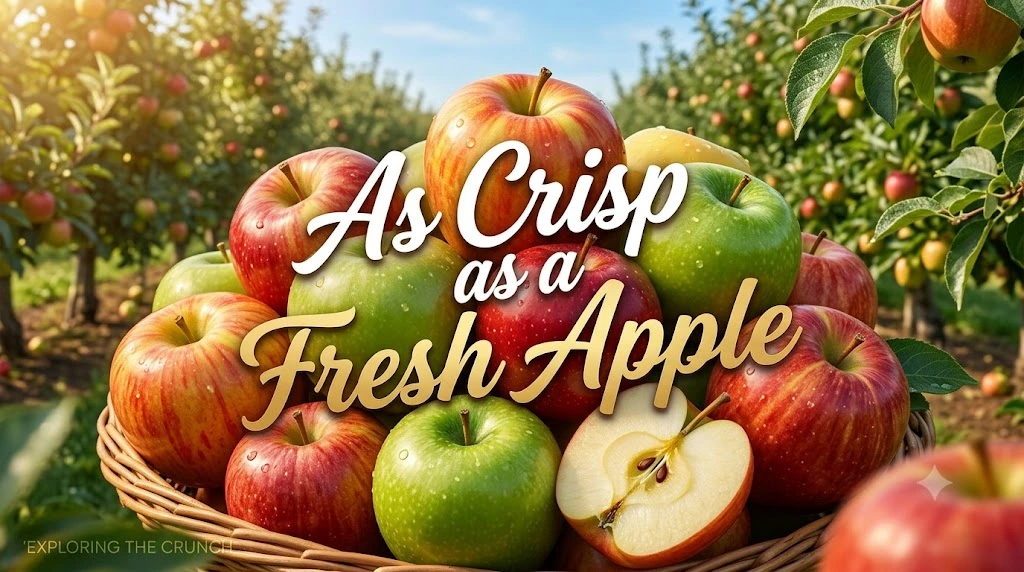
Meaning
Autumn air often feels refreshing, cool, and invigorating.
Usage Insight
Perfect for describing weather and outdoor experiences.
Examples
- The morning air was as crisp as a fresh apple.
- We enjoyed a walk beneath skies as crisp as a fresh apple.
Like a Quilt Stitched from Nature’s Colors
Meaning
Fall landscapes combine many colors into one beautiful scene.
Usage Insight
Great for describing wide views of forests, parks, and countryside settings.
Examples
- The mountains appeared like a quilt stitched from nature’s colors.
- From above, the valley resembled a quilt stitched from nature’s colors.
As Bright as a Bonfire on a Cool Night
Meaning
Autumn colors can appear vibrant and eye-catching.
Usage Insight
Use when highlighting vivid orange, red, or yellow foliage.
Examples
- The trees glowed as bright as a bonfire on a cool night.
- Her autumn garden looked as bright as a bonfire on a cool night.
Like a Storybook Coming to Life
Meaning
Fall scenery often appears magical and enchanting.
Usage Insight
Useful in creative writing and descriptive narratives.
Examples
- The village looked like a storybook coming to life during autumn.
- Walking through the woods felt like entering a storybook coming to life.
As Peaceful as a Quiet Lake at Dawn
Meaning
Autumn can create calm and reflective moods.
Usage Insight
Excellent for essays, poems, and reflective writing.
Examples
- The park was as peaceful as a quiet lake at dawn.
- The autumn countryside seemed as peaceful as a quiet lake at dawn.
Like Embers Glowing in the Forest
Meaning
Red and orange leaves resemble glowing fire embers.
Usage Insight
Use this simile when describing colorful foliage.
Examples
- The treetops glowed like embers glowing in the forest.
- Sunset made the autumn leaves appear like embers glowing in the forest.
As Refreshing as a Cool Breeze After Summer
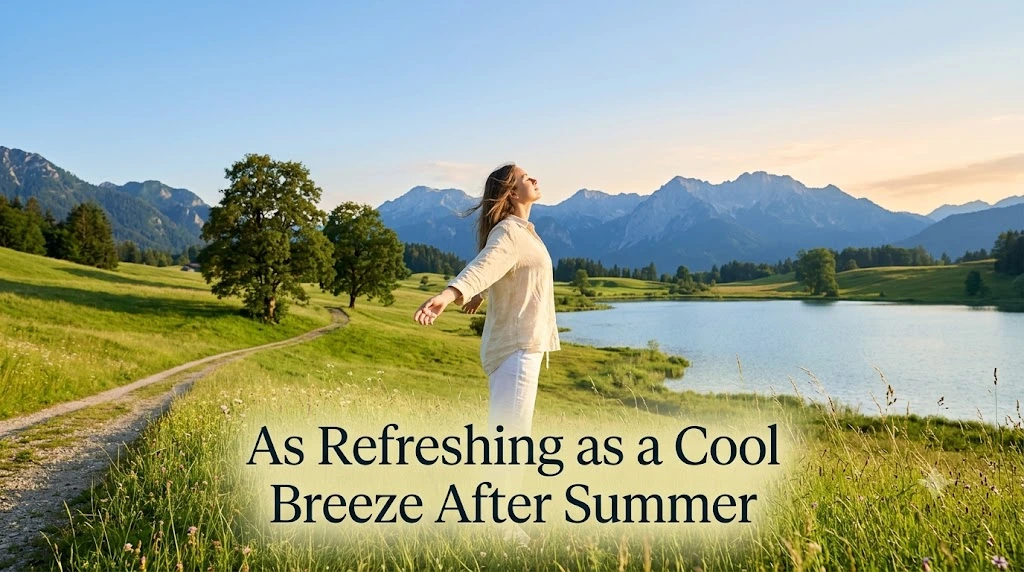
Meaning
Fall provides relief from summer heat.
Usage Insight
Perfect for describing seasonal change and pleasant weather.
Examples
- The arrival of autumn felt as refreshing as a cool breeze after summer.
- The crisp mornings were as refreshing as a cool breeze after summer.
Like a Clock Gently Marking Time
Meaning
Fall reminds people of change, transition, and the passing of seasons.
Usage Insight
Ideal for reflective or philosophical writing.
Examples
- The falling leaves were like a clock gently marking time.
- Autumn moved through the year like a clock gently marking time.
As Colorful as a Basket of Harvest Fruits
Meaning
Fall is filled with vibrant seasonal colors.
Usage Insight
Works well when discussing harvest festivals and autumn scenery.
Examples
- The orchard was as colorful as a basket of harvest fruits.
- The landscape appeared as colorful as a basket of harvest fruits.
Like Nature’s Farewell Letter to Summer
Meaning
Autumn represents the transition from summer to winter.
Usage Insight
Useful for emotional or poetic descriptions.
Examples
- The changing leaves looked like nature’s farewell letter to summer.
- Every cool breeze felt like nature’s farewell letter to summer.
How to Use Similes Effectively in Writing
Similes are powerful tools, but they work best when used thoughtfully. Here are some practical tips:
Poetry
- Choose vivid comparisons that create strong imagery.
- Connect emotions to natural elements such as leaves, trees, and wind.
For Stories
- Use similes to help readers visualize settings and characters.
- Avoid overusing comparisons in every paragraph.
Essays
- Include similes sparingly to make descriptions more engaging.
- Ensure the comparison supports your main point.
For Songs
- Use memorable and emotional similes that listeners can easily picture.
- Draw inspiration from seasonal changes and nature.
Creative Descriptions
- Compare autumn scenes to familiar objects and experiences.
- Focus on sensory details such as color, sound, smell, and texture.
FAQs About Similes for Fall
What are similes for fall?
Similes for fall are comparisons that use “like” or “as” to describe autumn scenes, emotions, weather, or seasonal changes in a vivid and imaginative way.
What is the difference between a simile and a metaphor?
A simile uses words such as “like” or “as” to make a comparison, while a metaphor directly states that one thing is another.
Why are similes important in writing?
Similes make descriptions more vivid, engaging, and memorable by helping readers visualize ideas clearly.
Can similes be used in academic writing?
Yes. While they should be used carefully, similes can make examples and explanations more understandable and engaging.
How do similes improve creative writing?
They add imagery, emotion, and originality, helping readers connect more deeply with the text.
Conclusion
Fall is a season filled with change, color, movement, and quiet beauty, making it a wonderful subject for creative writing. Similes for fall help writers capture these qualities by comparing autumn scenes with familiar and imaginative images. Instead of simply saying that leaves are colorful, you can describe them as glowing like tiny flames or drifting like golden butterflies. Such comparisons allow readers to see the season more clearly and experience its atmosphere through their imagination.
Using similes for fall can also bring different emotions into your writing. Falling leaves may suggest peacefulness or change, while chilly winds can create a feeling of mystery and excitement. The golden sunlight, cloudy skies, crisp mornings, and cozy evenings of autumn all offer opportunities for meaningful comparisons. These similes can make poems, stories, essays, journal entries, and descriptive passages more engaging and memorable. The best comparison is one that naturally matches the scene and helps readers feel what you are describing. Ultimately, similes turn the familiar beauty of fall into vivid pictures that stay in the reader’s mind. With creative language, even a simple autumn afternoon can become a colorful story full of warmth, movement, and imagination.