
Personality is one of the most fascinating aspects of being human. It shapes how we think, act, communicate, and connect with others. Writers often look for vivid ways to describe personality traits so readers can instantly understand a character or person. One of the most effective tools for doing this is the simile. Similes compare one thing to another using words such as “like” or “as,” helping create clear and memorable images in the reader’s mind. They are an essential part of figurative language because they make descriptions more engaging and expressive.
Nature, especially trees, rivers, mountains, and seasons, often inspires powerful similes because these elements reflect qualities like strength, growth, resilience, wisdom, and emotion. By comparing personality traits to familiar images from nature and everyday life, writers can add depth and color to their language. In this guide, you’ll discover some of the most powerful similes for personality and learn how to use them effectively in your writing.
What Is a Simile?
A simile is a figure of speech that compares two different things using the words “like” or “as.” It helps readers visualize qualities, emotions, and characteristics more clearly.
Example: Her personality was as bright as the morning sun.
This simile compares a cheerful personality to the brightness of the sun, making the description more vivid and memorable.
As Steady as an Oak Tree
Meaning
This simile describes someone who is dependable, strong, and emotionally stable.
Usage Insight
Use this simile when describing a person who remains calm and reliable during difficult situations.
Examples
- Despite the crisis, she remained as steady as an oak tree.
- His leadership was as steady as an oak tree during uncertain times.
Like a Gentle Breeze on a Summer Day
Meaning
Refers to a person who is kind, comforting, and easy to be around.
Usage Insight
Ideal for describing warm personalities that make others feel relaxed.
Examples
- Her personality was like a gentle breeze on a summer day.
- He entered the room like a gentle breeze on a summer day, instantly easing everyone’s tension.
As Bright as a Field of Sunflowers
Meaning
Describes someone cheerful, optimistic, and full of positive energy.
Usage Insight
Works well when highlighting enthusiasm and happiness.
Examples
- Her personality is as bright as a field of sunflowers.
- Even on difficult days, he remained as bright as a field of sunflowers.
Like a River That Never Stops Flowing
Meaning
Represents adaptability, persistence, and continuous growth.
Usage Insight
Perfect for describing resilient individuals who keep moving forward.
Examples
- Her personality was like a river that never stops flowing.
- He approached challenges like a river that never stops flowing.
As Warm as a Cozy Fireplace

Meaning
Refers to someone welcoming, caring, and affectionate.
Usage Insight
Use this simile to emphasize emotional warmth and friendliness.
Examples
- Her personality is as warm as a cozy fireplace.
- Everyone enjoyed talking to him because he was as warm as a cozy fireplace.
Like a Mountain Standing Against the Wind
Meaning
Describes a strong and courageous personality.
Usage Insight
Excellent for portraying determination and inner strength.
Examples
- She faced criticism like a mountain standing against the wind.
- His personality was like a mountain standing against the wind.
As Curious as a Sparrow Exploring New Branches
Meaning
Represents curiosity, intelligence, and a love of learning.
Usage Insight
Useful when describing inquisitive people.
Examples
- The child was as curious as a sparrow exploring new branches.
- Her personality remained as curious as a sparrow exploring new branches.
Like a Lighthouse in a Storm
Meaning
Describes someone who guides and supports others during difficult times.
Usage Insight
Best used for mentors, leaders, and trusted friends.
Examples
- She was like a lighthouse in a storm for her family.
- His personality served as a lighthouse in a storm for the team.
As Colorful as an Autumn Forest
Meaning
Refers to a vibrant, interesting, and multifaceted personality.
Usage Insight
Use this simile when describing people with many talents or unique qualities.
Examples
- Her personality is as colorful as an autumn forest.
- The artist’s character was as colorful as an autumn forest.
Like a Deep Ocean Full of Secrets
Meaning
Describes someone thoughtful, mysterious, and emotionally complex.
Usage Insight
Ideal for characters with hidden depths.
Examples
- His personality was like a deep ocean full of secrets.
- She seemed quiet, but her personality was like a deep ocean full of secrets.
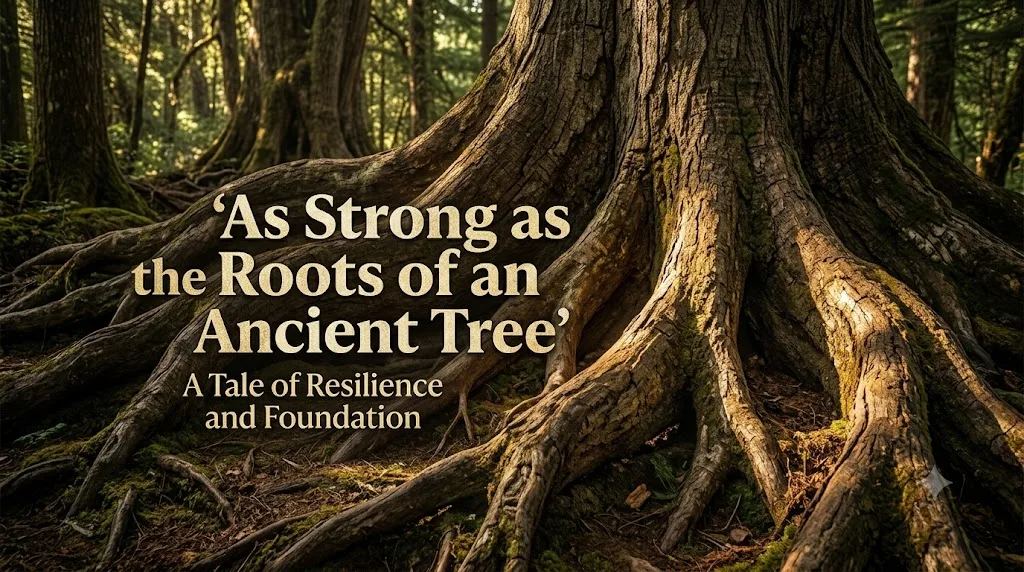
As Strong as the Roots of an Ancient Tree
Meaning
Represents resilience, wisdom, and stability.
Usage Insight
Useful when describing people with strong values and principles.
Examples
- Her personality was as strong as the roots of an ancient tree.
- He remained as strong as the roots of an ancient tree despite setbacks.
Like a Garden in Full Bloom
Meaning
Refers to a personality filled with positivity, growth, and creativity.
Usage Insight
Perfect for describing inspiring and uplifting individuals.
Examples
- Her personality was like a garden in full bloom.
- Spending time with him felt like visiting a garden in full bloom.
As Calm as a Still Lake at Dawn
Meaning
Describes someone peaceful, patient, and composed.
Usage Insight
Works well for people who maintain emotional balance.
Examples
- Her personality was as calm as a still lake at dawn.
- Even under pressure, he remained as calm as a still lake at dawn.
Like a Compass Pointing True North
Meaning
Represents honesty, integrity, and strong moral values.
Usage Insight
Use this simile for trustworthy individuals.
Examples
- Her personality was like a compass pointing true north.
- Everyone respected him because he was like a compass pointing true north.
As Refreshing as Rain After a Drought
Meaning
Describes someone who brings hope, energy, and positivity.
Usage Insight
Ideal for highlighting uplifting and encouraging personalities.
Examples
- Her personality was as refreshing as rain after a drought.
- Meeting him was as refreshing as rain after a drought.
How to Use Similes Effectively in Writing
Similes can make your writing more vivid and memorable when used thoughtfully. Here are some practical tips:
In Stories
Use similes to reveal character traits quickly and create stronger mental images.
In Poetry
Choose similes that evoke emotion and sensory details to deepen the reader’s experience.
In Essays
Use similes sparingly to clarify complex ideas and make arguments more engaging.
In Songs
Similes can add rhythm, imagery, and emotional resonance to lyrics.
In Creative Descriptions
Compare personality traits to familiar objects, natural elements, or experiences to make descriptions relatable and impactful.
Additional Tips
- Keep comparisons clear and easy to understand.
- Avoid overused similes whenever possible.
- Match the simile to the tone of your writing.
- Use nature similes to create universal and memorable imagery.
- Ensure the comparison strengthens your message rather than distracting from it.
FAQs About Similes for Personality
What are similes for personality?
Similes for personality are comparisons that use “like” or “as” to describe someone’s character traits in a vivid and memorable way.
What is the difference between a simile and a metaphor?
A simile uses words such as “like” or “as” to make a comparison, while a metaphor directly states that one thing is another.
Why are similes important in writing?
Similes help readers visualize ideas, understand emotions, and connect more deeply with descriptions.
Can similes be used in academic writing?
Yes, although they should be used sparingly and only when they clarify a concept or improve readability.
How do similes improve character descriptions?
They provide vivid comparisons that make personalities feel more realistic, relatable, and memorable.
Conclusion
Powerful similes for personality can transform ordinary descriptions into vivid, engaging portraits that readers remember long after they finish reading. Whether you compare someone to an oak tree, a lighthouse, a flowing river, or a blooming garden, these comparisons help communicate character traits with clarity and emotional impact. Similes enrich stories, poems, essays, and everyday writing by making abstract qualities easier to visualize. When used effectively, they create stronger connections between writers and readers while adding beauty and depth to language. By exploring and practicing these similes for personality, you can bring your descriptions to life and make your writing more expressive, memorable, and compelling.