
Imagine a little girl sitting at her desk, trying to describe her new puppy in a school story. She writes, “My puppy is cute and fast,” but something feels missing. Then her teacher says, “Try comparing your puppy to something you already know.” Suddenly, she writes, “My puppy is as playful as a bouncing ball and as quick as a flash.” Her simple sentence instantly becomes more exciting. This is the magic of similes.
Similes examples for kids make writing easier, more colorful, and more fun because they help children connect unfamiliar ideas with familiar things. Using words such as “like” or “as”, kids can create imaginative comparisons that help readers see, hear, or feel what they are describing. A rainy day can be “like a gentle shower,” while a bright smile can shine “like the morning sun.”
In this guide, kids will discover easy and creative similes they can use in stories, poems, school assignments, and everyday conversations. Learning similes can turn ordinary sentences into vivid descriptions and help young writers express their ideas with confidence.
- What Are Similes and Metaphors for Kids?
- What Are Easy Similes and Metaphors Examples for Kids?
- What Are Simple Similes Examples for Kids?
- What Are Simple Metaphors Examples for Kids?
- What Is the Difference Between Similes and Metaphors for Kids?
- How Do You Teach Similes and Metaphors to Kids?
- What Are Funny Similes and Metaphors Examples for Kids?
- What Are Creative Similes and Metaphors Examples for Kids?
- What Are Similes and Metaphors Examples for Elementary Students?
- What Are Similes and Metaphors Examples for Kindergarten Kids?
- What Are Similes and Metaphors Examples for First Graders?
- What Are Similes and Metaphors Examples for Second Graders?
- What Are Similes and Metaphors Examples for Third Graders?
- What Are Similes and Metaphors Examples for Fourth Graders?
- What Are Similes and Metaphors Examples for Fifth Graders?
- What Are Similes and Metaphors Examples About Animals?
- What Are Similes and Metaphors Examples About Nature?
- What Are Similes and Metaphors Examples in Everyday Life?
- How Can Kids Identify Similes and Metaphors in Sentences?
- What Are the Best Similes and Metaphors Examples for Kids?
What Is a Simile?
A simile is a figure of speech that compares two different things using the words “like” or “as.” It helps readers understand an idea by connecting it to something familiar.
Example:
She was as busy as a bee.
This simile compares a person’s activity level to a hardworking bee, making the meaning vivid and easy to imagine.
1. As Happy as a Butterfly
Meaning
Usage Insight
This simile describes someone who feels joyful, carefree, and full of excitement.
Use this simile when writing about cheerful characters, happy memories, or fun adventures.
Examples
- Lily skipped through the garden as happy as a butterfly.
- After winning the game, Jake felt as happy as a butterfly in the sunshine.
2. As Brave as a Lion
Meaning
It describes someone who shows courage even when facing challenges.
Usage Insight
Perfect for adventure stories, school essays, and inspiring descriptions.
Examples
- Mia stood as brave as a lion during the school play.
- The firefighter remained as brave as a lion while helping others.
3. As Quiet as a Mouse
Meaning
This simile means someone is extremely silent.
Usage Insight
Great for describing libraries, classrooms, or sneaky characters.
Examples
- The students became as quiet as a mouse during the test.
- Ben walked as quiet as a mouse so he wouldn’t wake the baby.
4. As Bright as the Sun
Meaning
It describes someone or something that shines with light, happiness, or intelligence.
Usage Insight
Use it to describe smiles, ideas, or sunny days.
Examples
- Emma’s smile was as bright as the sun.
- His clever answer was as bright as the sun.
5. As Fast as Lightning
Meaning
This simile describes incredible speed.
Usage Insight
Excellent for action scenes and sports writing.
Examples
- The runner was as fast as lightning.
- Max finished his homework as fast as lightning.
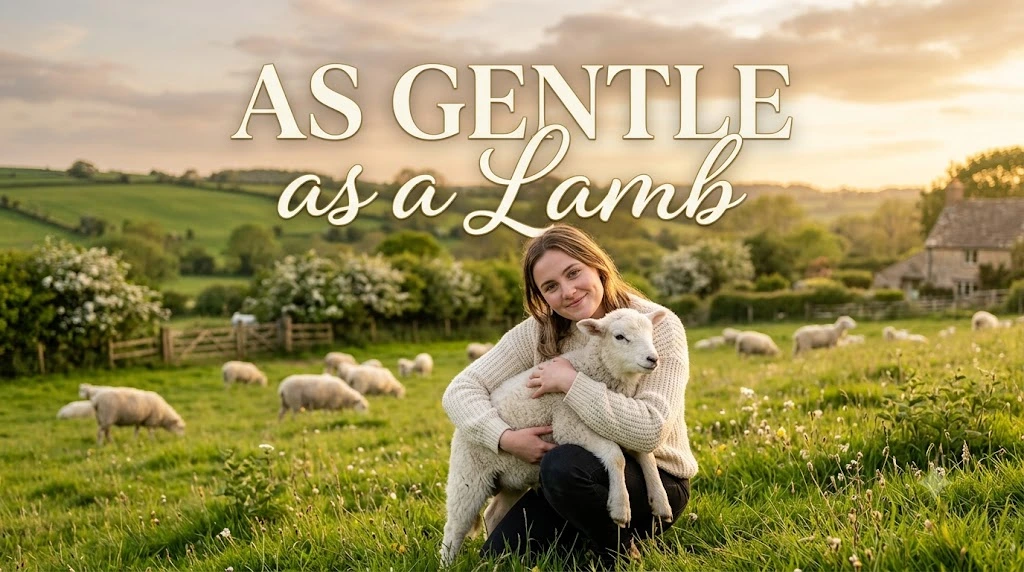
6. As Gentle as a Lamb
Meaning
It refers to someone who is kind, calm, and soft-hearted.
Usage Insight
Ideal for describing friendly people or peaceful animals.
Examples
- Grandma was as gentle as a lamb with the children.
- The puppy became as gentle as a lamb after its nap.
7. As Busy as a Bee
Meaning
It means someone is working hard and staying active.
Usage Insight
Perfect for school projects or daily activities.
Examples
- Dad was as busy as a bee fixing the garden.
- The students were as busy as bees preparing for the science fair.
8. As Tall as a Tree
Meaning
This simile describes great height.
Usage Insight
Useful when comparing growing children or tall objects.
Examples
- My older brother seems as tall as a tree.
- The giraffe stood as tall as a tree beside the fence.
9. As Soft as a Cloud
Meaning
It describes something very soft and comfortable.
Usage Insight
Great for describing pillows, blankets, or stuffed toys.
Examples
- The blanket felt as soft as a cloud.
- Her teddy bear was as soft as a cloud.
10. As Cool as Ice
Meaning
It means someone stays calm under pressure.
Usage Insight
Useful for stories involving challenges or competitions.
Examples
- Lily stayed as cool as ice during the spelling bee.
- The goalkeeper remained as cool as ice before the final kick.
11. As Sweet as Honey
Meaning
This simile describes kindness or sweetness.
Usage Insight
Works well for describing friendly people and pleasant personalities.
Examples
- My teacher is as sweet as honey.
- The little girl’s smile was as sweet as honey.
12. As Strong as an Oak Tree

Meaning
It describes physical or emotional strength.
Usage Insight
Perfect for stories about courage, determination, and resilience.
Examples
- Grandpa remained as strong as an oak tree.
- The team stood as strong as an oak tree after losing the first game.
13. As Colorful as a Rainbow
Meaning
It refers to something bright, cheerful, and full of different colors.
Usage Insight
Excellent for descriptive writing about nature and art.
Examples
- Her drawing was as colorful as a rainbow.
- The flower garden looked as colorful as a rainbow.
14. As Wise as an Owl
Meaning
This simile describes someone who is intelligent and thoughtful.
Usage Insight
Ideal for essays, stories, and character descriptions.
Examples
- Our librarian is as wise as an owl.
- Maya gave as wise as an owl advice to her friend.
15. As Free as the Wind
Meaning
It means feeling independent, relaxed, and unrestricted.
Usage Insight
Great for poems, adventure stories, and nature writing.
Examples
- The birds flew as free as the wind.
- During summer vacation, we felt as free as the wind.
How to Use Similes Effectively in Writing
Using similes well can make your writing more vivid and engaging. Here are some practical tips:
- Choose comparisons that are easy to understand.
- Match the simile to the mood of your writing.
- Use nature similes to create beautiful imagery.
- Avoid using too many similes in one paragraph.
- Make sure the comparison fits the character or situation.
- Use similes in poems to create rhythm and emotion.
- Add similes to stories to help readers imagine scenes.
- Include similes in essays when explaining ideas creatively.
- Use them in songs to create memorable lyrics.
- Practice writing your own original comparisons to improve creativity.
FAQs
What are similes examples for kids?
Similes examples for kids are simple comparisons that use “like” or “as” to describe something in an imaginative way. Examples include “as brave as a lion” and “as soft as a cloud.”
What is the difference between a simile and a metaphor?
A simile compares two things using “like” or “as,” while a metaphor makes a direct comparison without using those words.
Example of a simile: He is as fast as lightning.
Example of a metaphor: He is lightning on the track.
Why are similes important in creative writing?
Similes help readers create mental images, understand emotions, and enjoy more vivid descriptions in stories, poems, and songs.
Can students use similes in school essays?
Yes. Appropriate similes can make essays more interesting and descriptive, especially in narrative and creative writing assignments.
How can kids learn similes more easily?
Children learn similes best by reading books, practicing simple comparisons, observing nature, and writing their own creative sentences every day.
Conclusion
Learning similes examples for kids can make language more exciting, creative, and easier to understand. A simple comparison can help children turn an ordinary sentence into something colorful and memorable. Instead of saying, “The boy was very fast,” a child can write, “The boy was as fast as a cheetah.” This small change gives readers a clearer picture and makes the sentence more interesting.
Similes also encourage children to use their imagination. They can compare people, animals, places, emotions, weather, objects, and everyday experiences with things they already know. This makes similes useful not only in creative writing but also in poems, stories, classroom activities, speeches, and school assignments.
The most important thing is to have fun while learning and creating comparisons. Kids do not need complicated words to write effective similes. Even simple and familiar ideas can create wonderful descriptions when used creatively. By practicing different similes examples for kids, young writers can build stronger vocabulary, improve their descriptive skills, and become more confident in expressing their thoughts. A good simile can make simple words sparkle and leave a lasting picture in the reader’s mind.