
Fire has fascinated people for thousands of years because it can bring warmth, light, comfort, danger, and destruction all at once. One of the best ways to describe its beauty and power is through similes. Similes are simple comparisons that help readers create vivid pictures in their minds by comparing one thing to another using words like as or like. They make writing more colorful, emotional, and memorable. Whether you are writing a story, poem, essay, speech, or creative journal, similes can transform ordinary descriptions into unforgettable images.
Just as trees often symbolize strength, growth, resilience, wisdom, and deep human emotions, fire represents passion, energy, hope, anger, renewal, and change. Both trees and fire appear throughout literature because they connect with universal human experiences. In this guide, you’ll discover the best similes for fire, their meanings, practical uses, and examples that will make your writing shine.
What Is a Simile?
A simile is a figure of speech that compares two different things using the words “like” or “as.” It helps readers better understand an idea by relating it to something familiar.
Example:
The campfire burned like a golden beacon in the darkness.
This comparison helps readers imagine the fire’s bright glow and comforting presence.
Like a Dragon’s Breath
Meaning
This simile describes fire as fierce, scorching, and almost mythical in its intensity.
Usage Insight
Use this simile when describing blazing flames, dangerous heat, fantasy settings, or dramatic action scenes.
Examples
- The wildfire spread like a dragon’s breath, consuming everything in its path.
- Flames burst from the furnace like a dragon’s breath, forcing everyone to step back.
Like the Rising Sun
Meaning
It compares fire to the warm, bright glow of sunrise.
Usage Insight
Perfect for describing comforting fireplaces, campfires, or hopeful moments.
Examples
- The fireplace glowed like the rising sun on a winter morning.
- Her candle burned like the rising sun, filling the room with warmth.
Like Dancing Butterflies
Meaning
This simile highlights the graceful movement of flickering flames.
Usage Insight
Best for poetic descriptions and peaceful nighttime scenes.
Examples
- Tiny flames fluttered like dancing butterflies around the bonfire.
- The candles flickered like dancing butterflies in the gentle breeze.
Like a Hungry Beast
Meaning
The fire is compared to a creature that endlessly consumes everything.
Usage Insight
Ideal for describing destructive fires or uncontrolled flames.
Examples
- The wildfire moved like a hungry beast, swallowing the forest.
Flames raced across the dry grass like a hungry beast searching for food.
Like Flowing Lava
Meaning
This simile emphasizes slow but unstoppable movement.
Usage Insight
Works well when describing spreading flames or glowing embers.
Examples
- The fire crept across the hillside like flowing lava.
- Bright embers rolled like flowing lava beneath the burning logs.
Like a Shimmering Jewel

Meaning
Fire appears beautiful, brilliant, and eye-catching.
Usage Insight
Use it when focusing on beauty rather than danger.
Examples
- The lantern glowed like a shimmering jewel in the dark.
- Sparks sparkled like a shimmering jewel beneath the night sky.
Like a Roaring Lion
Meaning
The sound and strength of the fire resemble a lion’s powerful roar.
Usage Insight
Excellent for describing large bonfires, furnaces, or forest fires.
Examples
- The bonfire roared like a roaring lion throughout the night.
- Flames echoed like a roaring lion inside the old factory.
Like Lightning on the Ground
Meaning
Fire spreads with incredible speed and brilliance.
Usage Insight
Perfect for action scenes involving sudden explosions or fast-moving flames.
Examples
- The sparks raced like lightning on the ground.
- Dry leaves ignited like lightning on the ground after the explosion.
Like a Painter’s Brush
Meaning
Fire colors the surroundings with shades of orange, red, and gold.
Usage Insight
Useful for artistic descriptions and scenic writing.
Examples
- Sunset reflected through the flames like a painter’s brush.
- The fire painted the walls like a painter’s brush with warm colors.
Like a Restless Spirit
Meaning
The fire never stays still and constantly changes shape.
Usage Insight
Ideal for describing flickering flames or mysterious settings.
Examples
- The campfire danced like a restless spirit beneath the stars.
- Flames twisted like a restless spirit through the chimney.
Like a Golden River
Meaning
The flames flow smoothly with a bright golden appearance.
Usage Insight
Works beautifully in descriptive and poetic writing.
Examples
- Molten flames flowed like a golden river across the logs.
- The fireplace shimmered like a golden river on a cold evening.
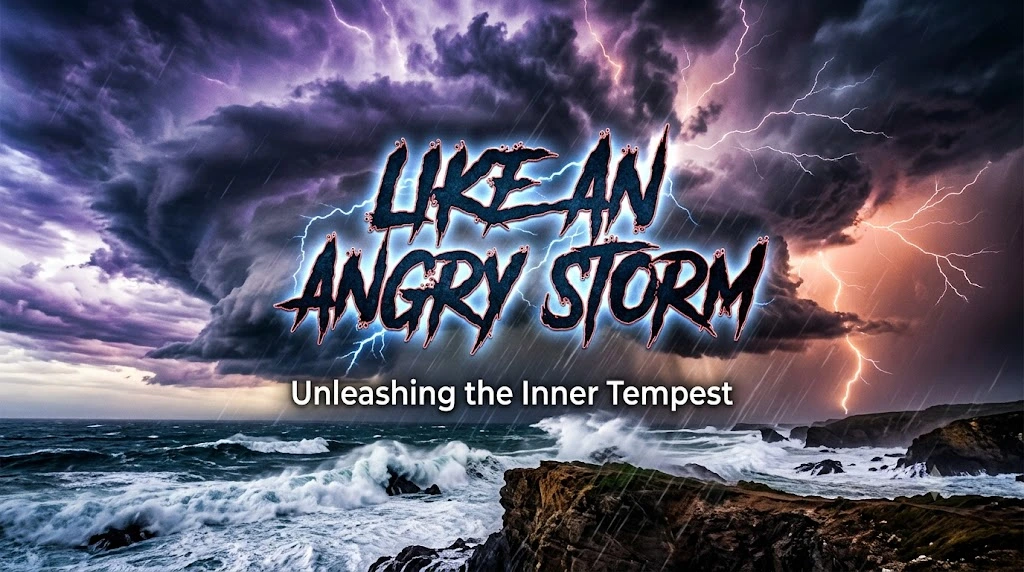
Like an Angry Storm
Meaning
The fire behaves unpredictably and with overwhelming force.
Usage Insight
Best used when describing dangerous fires or emotional intensity.
Examples
- The blaze raged like an angry storm through the valley.
- Flames crashed like an angry storm, leaving destruction behind.
Like a Guiding Star
Meaning
Fire represents hope, comfort, and direction.
Usage Insight
Excellent for inspirational writing and symbolic storytelling.
Examples
- The campfire shone like a guiding star for the lost hikers.
- Her candle burned like a guiding star during the power outage.
Like Blooming Flowers
Meaning
The flames open and spread beautifully, resembling petals.
Usage Insight
Ideal for poetic imagery and creative descriptions.
Examples
- Bright flames opened like blooming flowers around the logs.
- The fireworks blossomed like blooming flowers across the sky.
Like a Heart Full of Passion
Meaning
Fire symbolizes strong emotions, determination, and love.
Usage Insight
Perfect for emotional writing, speeches, poems, and inspirational content.
Examples
- His determination burned like a heart full of passion.
- Hope remained alive like a heart full of passion, even in difficult times.
How to Use Similes Effectively in Writing
Using similes for fire can make your writing more engaging, emotional, and memorable. Here are a few practical tips:
- Choose comparisons that naturally fit the mood of your writing.
- Avoid overusing similes; a few strong ones create greater impact.
- Match the simile to the emotion you want readers to feel.
- Use vivid but familiar comparisons that readers can easily imagine.
- Include similes in poems to create rhythm and imagery.
- Add them to stories to make characters, settings, and action scenes more immersive.
- Use them in essays carefully to clarify ideas without sounding overly dramatic.
- Songwriters can use fire similes to express passion, courage, heartbreak, or hope.
- Revise your writing to ensure every simile adds meaning instead of decoration.
FAQs
What are some good similes for fire?
Some effective similes include like a dragon’s breath, like a roaring lion, like the rising sun, like flowing lava, and like a guiding star. Each creates a different emotional effect depending on the context.
What is the difference between a simile and a metaphor?
A simile compares two things using like or as, while a metaphor states that one thing is another without using comparison words.
Example Simile: The fire burned like a dragon’s breath.
Example Metaphor: The fire was a raging monster.
Why are similes for fire useful in creative writing?
They help readers visualize flames, understand emotions, and experience scenes more vividly. Similes also make descriptions more engaging and memorable.
Can similes be used in academic writing?
Yes. Similes are appropriate when writing literary analysis, creative assignments, speeches, or explanatory examples. In formal research papers, however, they should be used sparingly.
How can I create my own similes for fire?
Think about fire’s qualities—its warmth, brightness, movement, danger, or beauty—and compare them to familiar objects, animals, or natural elements using like or as.
Conclusion
Learning and using similes for fire is an excellent way to make your writing more expressive, imaginative, and emotionally engaging. Whether you describe flames like a dragon’s breath, like a guiding star, or like dancing butterflies, each comparison adds vivid imagery that helps readers connect with your words. Strong similes bring life to poems, stories, essays, speeches, and creative descriptions by turning simple observations into memorable experiences. As you continue practicing figurative language, experiment with fresh comparisons that match your message and mood. The right simile can illuminate an ordinary sentence, making it burn brightly in the reader’s imagination long after they finish reading.