
Water is one of the most powerful and versatile symbols in language, making it a perfect subject for creative similes. Similes are comparisons that help readers imagine ideas more clearly by connecting one thing to another using the words “like” or “as.” They bring writing to life by creating vivid images and stronger emotional connections. Whether you are writing a poem, story, speech, or school essay, similes can make your descriptions more memorable. Nature offers endless inspiration for similes, and water is one of its most expressive elements because it can be calm, fierce, gentle, or unstoppable.
Trees are also powerful symbols of strength, growth, resilience, wisdom, and human emotion, which is why they often appear alongside water in literature and creative writing. Together, water and trees create beautiful imagery that reflects life’s journey and changing emotions. In this guide, you’ll discover original similes for water that will enrich your writing and help you express ideas with creativity and confidence.
What Is a Simile?
A simile is a figure of speech that compares two different things using the words “like” or “as.” Similes help readers visualize ideas, making descriptions more colorful and engaging.
Example:
“The river flowed like a silver ribbon through the valley.”
This comparison helps readers picture the river’s smooth, shining appearance.
1. As Clear as Mountain Spring Water
Meaning
This simile describes something that is extremely pure, transparent, or easy to understand.
When to Use It
Use this simile when describing clean water, honest thoughts, or explanations that leave no room for confusion.
Examples
- Her explanation was as clear as mountain spring water, leaving everyone satisfied.
- The lake looked as clear as mountain spring water beneath the morning sun.
2. Like a River That Never Stops
Meaning
This simile represents constant movement, determination, or endless progress.
When to Use It
Perfect for describing persistence, flowing conversations, or continuous change.
Examples
- His imagination flowed like a river that never stops.
- Time moves like a river that never stops, carrying every moment away.
3. As Gentle as Morning Dew
Meaning
It describes softness, calmness, and peaceful movement.
When to Use It
Ideal for describing quiet personalities, gentle rain, or soothing emotions.
Examples
- Her voice was as gentle as morning dew on fresh leaves.
- The stream moved as gentle as morning dew across the meadow.
4. Like Waves Kissing the Shore
Meaning
This simile expresses gentle affection, rhythm, or repeated comfort.
When to Use It
Works beautifully in romantic, emotional, or peaceful descriptions.
Examples
- His comforting words returned like waves kissing the shore.
- The breeze brushed my face like waves kissing the shore.
5. As Deep as the Ocean
Meaning
It symbolizes profound emotions, wisdom, or mystery.
When to Use It
Use it when discussing feelings, knowledge, or thoughtful personalities.
Examples
- Her compassion was as deep as the ocean.
- His silence felt as deep as the ocean, hiding countless thoughts.
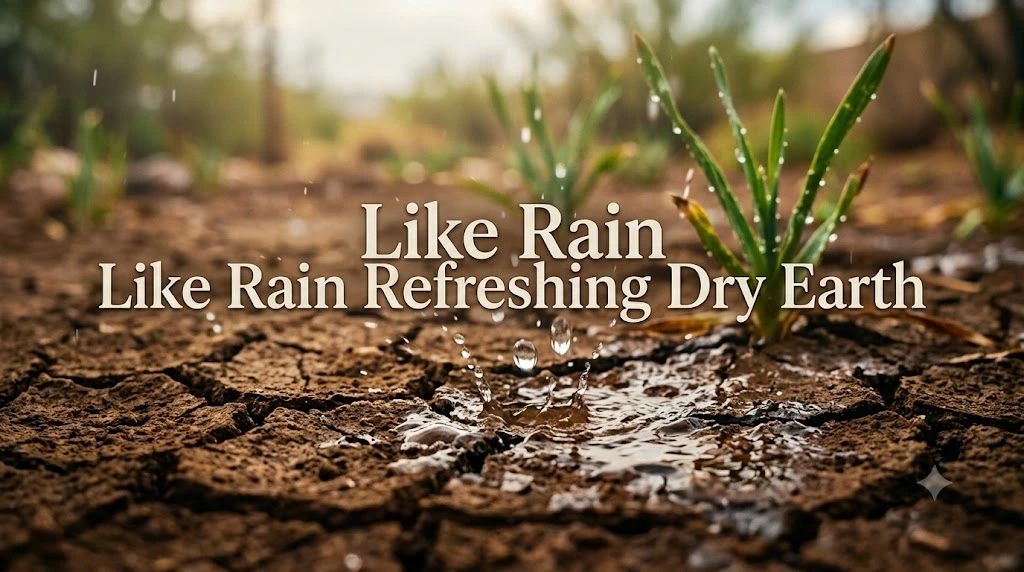
6. Like Rain Refreshing Dry Earth
Meaning
This simile represents hope, renewal, and healing.
When to Use It
Excellent for describing encouragement, kindness, or positive change.
Examples
- Her encouragement arrived like rain refreshing dry earth.
- The good news spread like rain refreshing dry earth after months of uncertainty.
7. As Smooth as a Quiet Lake
Meaning
It describes something calm, even, and free from disturbance.
When to Use It
Great for describing speech, movements, or peaceful settings.
Examples
- His presentation was as smooth as a quiet lake.
- The road stretched ahead as smooth as a quiet lake.
8. Like a Waterfall Bursting from the Cliffs
Meaning
This simile symbolizes powerful energy, excitement, or overwhelming emotion.
When to Use It
Use it when describing sudden inspiration or emotional expression.
Examples
- Ideas poured out like a waterfall bursting from the cliffs.
- Laughter erupted like a waterfall bursting from the cliffs.
9. As Cool as Fresh Rain
Meaning
It suggests freshness, relaxation, or relief.
When to Use It
Perfect for describing weather, personalities, or refreshing experiences.
Examples
- The evening air felt as cool as fresh rain.
- She remained as cool as fresh rain under pressure.
10. Like Ripples Across a Pond
Meaning
This simile describes how small actions create larger effects.
When to Use It
Useful for illustrating influence, consequences, or spreading ideas.
Examples
- His kindness spread like ripples across a pond.
- One thoughtful decision echoed like ripples across a pond.
11. As Free as Flowing Water
Meaning
It represents freedom, flexibility, and adaptability.
When to Use It
Ideal for describing creative minds or unrestricted movement.
Examples
- Her imagination was as free as flowing water.
- The dancers moved as free as flowing water.
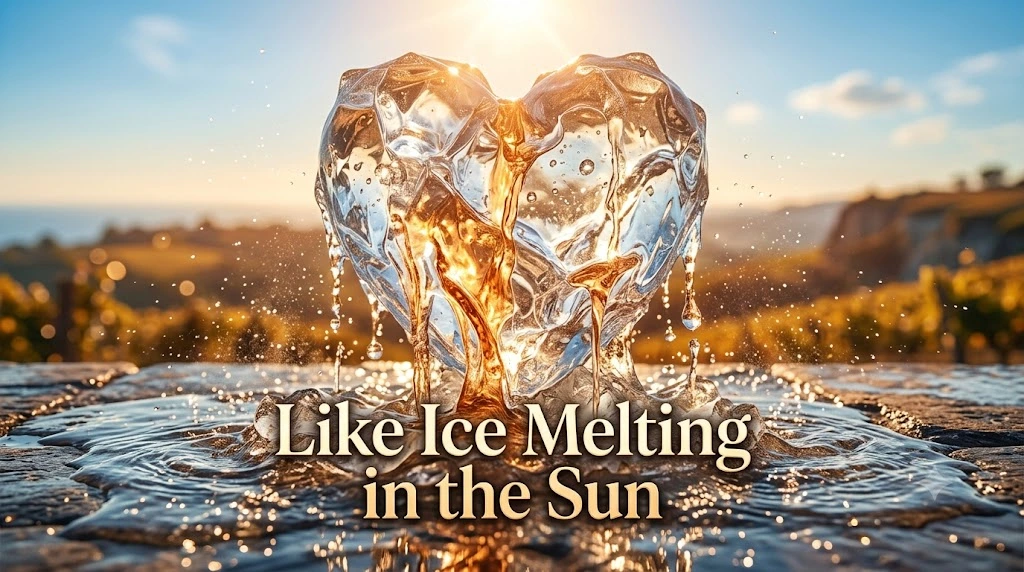
12. Like Ice Melting in the Sun
Meaning
This simile symbolizes worries, fear, or tension disappearing.
When to Use It
Use it in emotional scenes or moments of relief.
Examples
- His nervousness vanished like ice melting in the sun.
- Their anger faded like ice melting in the sun.
13. As Still as a Hidden Pond
Meaning
It describes complete quietness or peaceful silence.
When to Use It
Excellent for nature writing and reflective moments.
Examples
- The forest became as still as a hidden pond.
- She remained as still as a hidden pond during meditation.
14. Like Mist Rising from a Lake
Meaning
This simile suggests mystery, dreams, or gentle transformation.
When to Use It
Perfect for fantasy writing, poetry, or emotional storytelling.
Examples
- Memories appeared like mist rising from a lake.
- Hope returned like mist rising from a lake at sunrise.
15. As Powerful as a Flooding River
Meaning
It expresses unstoppable strength, determination, or overwhelming force.
When to Use It
Use this simile to describe courage, emotions, or natural power.
Examples
- Her determination was as powerful as a flooding river.
- The applause grew as powerful as a flooding river filling the stadium.
How to Use Similes Effectively in Writing
Strong similes for water can transform ordinary sentences into vivid and memorable descriptions. Here are a few practical tips for using them effectively:
- Choose similes that naturally fit the mood of your writing.
- Use nature similes to create vivid imagery and emotional depth.
- Avoid overusing similes; one or two strong comparisons often have more impact than many weak ones.
- Match your simile to your audience, especially in academic or professional writing.
- Read your sentence aloud to ensure the comparison sounds natural.
- Combine water similes with other figurative language examples for richer storytelling.
- Study similes in literature to see how skilled authors create unforgettable comparisons.
- Revise your writing to remove clichés and replace them with fresh, original similes.
FAQs About Similes for Water
What are similes for water?
Similes for water are creative comparisons that use “like” or “as” to describe water or water-like qualities, such as calmness, strength, clarity, movement, or emotion.
Example:
“Her thoughts flowed like a peaceful river.”
What is the difference between a simile and a metaphor?
A simile compares two things using “like” or “as,” while a metaphor makes a direct comparison without those words.
Simile: The lake shimmered like glass.
Metaphor: The lake was a mirror.
Why are water similes popular in literature?
Water symbolizes life, change, peace, power, and emotion. Because it can represent many different feelings, writers often use water similes to create vivid imagery and meaningful comparisons.
Can I use water similes in academic writing?
Yes, but use them carefully. Water similes can make essays, speeches, and presentations more engaging, especially when explaining complex ideas or illustrating concepts clearly.
How can I write original similes for water?
Observe how water behaves in different situations—flowing rivers, gentle rain, crashing waves, still ponds, or icy streams. Then compare those qualities to people, emotions, or events using “like” or “as.”
Conclusion
Creative similes for water bring movement, emotion, and beauty to every kind of writing. Whether you describe calm lakes, rushing rivers, gentle rain, or powerful oceans, these comparisons help readers visualize scenes and connect with your ideas on a deeper level. By using fresh nature similes, thoughtful figurative language examples, and meaningful comparisons, you can make your stories, poems, essays, and speeches far more engaging. Keep practicing, observe the natural world, and experiment with your own unique expressions. The more you use well-crafted similes, the more vivid, expressive, and memorable your writing will become.