
Similes are one of the most exciting tools in the English language because they help us create vivid pictures with words. They make writing more colorful, interesting, and memorable. Children often enjoy similes because they compare familiar things in creative ways. Learning similes can improve reading, writing, and speaking skills while making language more enjoyable. Similes are an important part of figurative language because they help readers understand ideas through comparisons.
Nature often inspires some of the best similes, especially those involving trees, rivers, flowers, and animals. Trees, in particular, symbolize strength, growth, resilience, wisdom, and human emotions, making them powerful subjects for comparisons. By exploring simple similes for kids, young writers can develop stronger communication skills and express their thoughts with greater imagination.
What Is a Simile?
A simile is a figure of speech that compares two different things using the words “like” or “as.” It helps readers understand something by relating it to something familiar.
Example:
“She was as busy as a bee.”
This simile compares a person’s activity level to a bee’s constant movement, helping readers instantly picture someone working hard.
As Bright as the Sun
Meaning
Very cheerful, happy, or full of energy.
Usage Insight
This simile works well when describing a person’s smile, personality, or positive attitude.
Example Sentences
- Her smile was as bright as the sun on a summer morning.
- Jake walked into the classroom as bright as the sun, ready to learn.
As Quiet as a Mouse
Meaning
Extremely silent and careful.
Usage Insight
Use this simile when describing someone trying not to make noise.
Example Sentences
- The children were as quiet as a mouse during the surprise announcement.
- Mia tiptoed through the hallway as quiet as a mouse.
As Fast as a Cheetah
Meaning
Very quick and speedy.
Usage Insight
Perfect for describing running, racing, or completing tasks rapidly.
Example Sentences
- Ben ran as fast as a cheetah during the school race.
- The puppy dashed across the yard as fast as a cheetah.
As Strong as a Tree
Meaning
Very sturdy, dependable, and resilient.
Usage Insight
This nature simile is useful for describing physical or emotional strength.
Example Sentences
- Grandpa stood as strong as a tree through every challenge.
- The young athlete became as strong as a tree after months of practice.
As Gentle as a Breeze
Meaning
Kind, calm, and soothing.
Usage Insight
Ideal for describing a person’s behavior or soft movements.
Example Sentences
- Her voice was as gentle as a breeze on a spring day.
- The teacher spoke as gentle as a breeze to the nervous student.
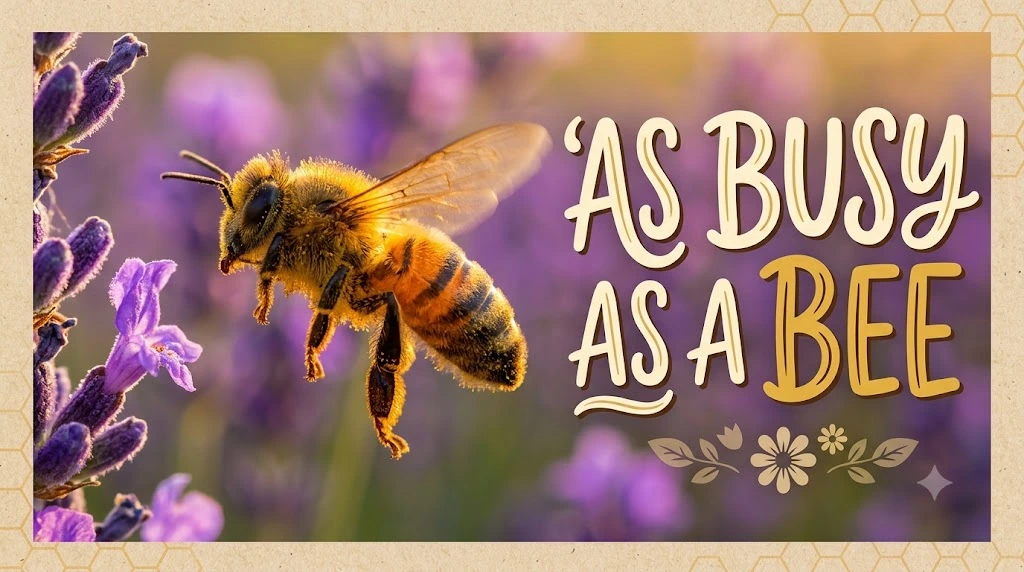
As Busy as a Bee
Meaning
Constantly active and hardworking.
Usage Insight
A classic simile that fits school projects, chores, and daily activities.
Example Sentences
- The students were as busy as bees preparing for the science fair.
- Mom was as busy as a bee before the family gathering.
As Cool as Ice
Meaning
Calm, relaxed, and confident.
Usage Insight
Use this simile when describing someone who stays calm under pressure.
Example Sentences
- Even during the competition, she remained as cool as ice.
- Ethan answered the difficult question as cool as ice.
As Light as a Feather
Meaning
Very lightweight or easy to lift.
Usage Insight
Works well when describing objects, movements, or feelings.
Example Sentences
- The balloon felt as light as a feather in my hands.
- Her steps were as light as a feather across the stage.
As Happy as a Lark
Meaning
Extremely joyful and content.
Usage Insight
Great for describing excitement, celebrations, or pleasant experiences.
Example Sentences
- Lily was as happy as a lark on her birthday.
- The children were as happy as a lark during the picnic.
As Brave as a Lion
Meaning
Very courageous and fearless.
Usage Insight
Useful for stories about overcoming fears or facing challenges.
Example Sentences
- He was as brave as a lion when speaking before the crowd.
- The young explorer felt as brave as a lion on the adventure.
As Tall as a Pine Tree
Meaning
Exceptionally tall.
Usage Insight
A nature-based simile that creates strong visual imagery.
Example Sentences
- The basketball player stood as tall as a pine tree.
- The giant statue appeared as tall as a pine tree.
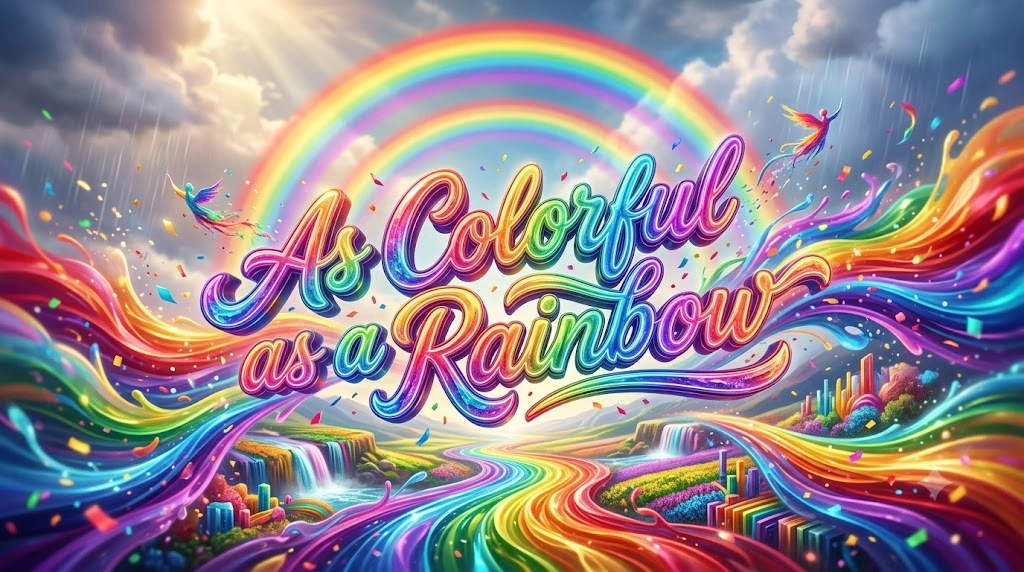
As Colorful as a Rainbow
Meaning
Bright, vibrant, and full of variety.
Usage Insight
Excellent for describing artwork, clothing, or imaginative scenes.
Example Sentences
- Her painting was as colorful as a rainbow.
- The garden looked as colorful as a rainbow after the rain.
As Sweet as Honey
Meaning
Very kind, friendly, or pleasant.
Usage Insight
Often used to describe personalities and polite behavior.
Example Sentences
- The little girl was as sweet as honey to everyone she met.
- His thoughtful words were as sweet as honey.
As Sharp as an Eagle’s Eyes
Meaning
Very observant and attentive.
Usage Insight
Helpful when describing someone who notices details quickly.
Example Sentences
- The detective was as sharp as an eagle’s eyes.
- Emma spotted the hidden clue as sharp as an eagle’s eyes.
As Free as a Bird
Meaning
Independent and unrestricted.
Usage Insight
Perfect for describing feelings of freedom and adventure.
Example Sentences
- After finishing her exams, she felt as free as a bird.
- The kite danced in the sky as free as a bird.
As Calm as a Still Lake
Meaning
Peaceful and undisturbed.
Usage Insight
A beautiful nature simile for describing emotions or quiet settings.
Example Sentences
- His mind became as calm as a still lake after meditation.
- The classroom remained as calm as a still lake during reading time.
How to Use Similes Effectively in Writing
Similes can make any piece of writing more engaging when used thoughtfully. Here are some practical tips:
Poems
- Use similes to create vivid imagery.
- Compare emotions to elements of nature.
For Stories
- Help readers visualize characters and settings.
- Show emotions through creative comparisons.
Essays
- Use similes sparingly to clarify complex ideas.
- Choose comparisons that support your main point.
For Songs
- Create memorable lyrics with relatable imagery.
- Use rhythmic and simple comparisons.
Creative Descriptions
- Draw inspiration from nature, animals, and everyday objects.
- Make comparisons that readers can easily understand.
General Tips
- Avoid overusing similes.
- Keep comparisons relevant and clear.
- Choose fresh and original imagery whenever possible.
FAQs About Simple Similes for Kids
What are simple similes for kids?
Simple similes for kids are easy comparisons that use “like” or “as” to connect two different things, such as “as busy as a bee” or “as brave as a lion.”
Why are similes important in figurative language?
Similes help writers create vivid images, explain ideas clearly, and make writing more engaging and memorable.
What is the difference between a simile and a metaphor?
A simile uses words like “like” or “as” to compare things, while a metaphor directly states that one thing is another.
Simile: “He is as strong as a tree.” Metaphor: “He is a tree.”
Can similes be used in academic writing?
Yes. While similes are more common in creative writing, they can also clarify concepts and improve readability in certain academic contexts.
How can children learn similes easily?
Children can learn similes by reading stories, observing nature, practicing comparisons, and creating their own imaginative examples.
Conclusion
Learning simple similes for kids is a wonderful way to build stronger language and creative writing skills. Similes transform ordinary descriptions into vivid images that readers can easily understand and enjoy. Whether inspired by nature, animals, emotions, or everyday experiences, these comparisons bring life and color to writing. They help young writers express thoughts more clearly, create memorable stories, and connect with readers on a deeper level. By practicing similes regularly, children can develop confidence, imagination, and a lifelong appreciation for the power of figurative language.