
Autumn is one of the most inspiring seasons for writers because it is filled with colourful leaves, crisp air, and peaceful landscapes. One of the best ways to describe its beauty is by using beautiful and creative similes for fall. Similes are a key part of figurative language because they compare two different things using the words “like” or “as.” These comparisons help readers picture scenes more clearly and connect emotionally with your writing.
Whether you are writing a poem, story, essay, or journal entry, similes can make your descriptions more memorable. Trees are especially powerful symbols in literature because they represent strength, growth, resilience, wisdom, and human emotion throughout every season of life. During fall, trees remind us that change can be beautiful, making them perfect subjects for meaningful comparisons. In this guide, you’ll discover original nature similes, figurative language examples, and creative comparisons that will bring your autumn writing to life.
What Is a Simile?
A simile is a figure of speech that compares two different things using the words “like” or “as.” Writers use similes to make descriptions more vivid, emotional, and easier to imagine.
Example:
The autumn leaves danced like colourful butterflies in the breeze.
This comparison helps readers picture leaves floating gently through the air while creating a beautiful visual image.
1. As colourful as a painter’s masterpiece
Meaning
This simile describes the brilliant mixture of red, orange, yellow, and gold that appears during fall.
When to Use It
Use this simile when describing colourful forests, parks, gardens, or scenic countryside landscapes.
Examples
- The hillside was as colourful as a painter’s masterpiece, glowing beneath the afternoon sun.
- Every tree looked as colourful as a painter’s masterpiece after the first cool days of October.
2. Like golden coins scattered across the earth
Meaning
This simile compares fallen yellow leaves to shining gold coins covering the ground.
When to Use It
Perfect for describing leaf-covered paths or gardens in an elegant way.
Examples
- Leaves lay like golden coins scattered across the earth after the autumn breeze.
- The park shimmered like golden coins scattered across the earth beneath the morning light.
3. As peaceful as a quiet forest at sunset
Meaning
This comparison highlights the calm and relaxing atmosphere of autumn evenings.
When to Use It
Ideal for reflective writing, travel blogs, or peaceful nature scenes.
Examples
- The valley felt as peaceful as a quiet forest at sunset.
- Our evening walk became as peaceful as a quiet forest at sunset.
4. Like a warm blanket on a chilly morning
Meaning
This simile represents the comforting feeling that autumn can bring despite cooler weather.
When to Use It
Great for emotional writing or cosy seasonal descriptions.
Examples
- The soft sunshine wrapped around us like a warm blanket on a chilly morning.
- Autumn comforted the village like a warm blanket on a chilly morning.
5. As graceful as leaves dancing in the wind
Meaning
This comparison describes gentle, elegant movement.
When to Use It
Perfect for poems and descriptive stories.
Examples
- Her scarf floated as graceful as leaves dancing in the wind.
- The branches swayed as graceful as leaves dancing in the wind.
6. Like an old story whispered by the trees
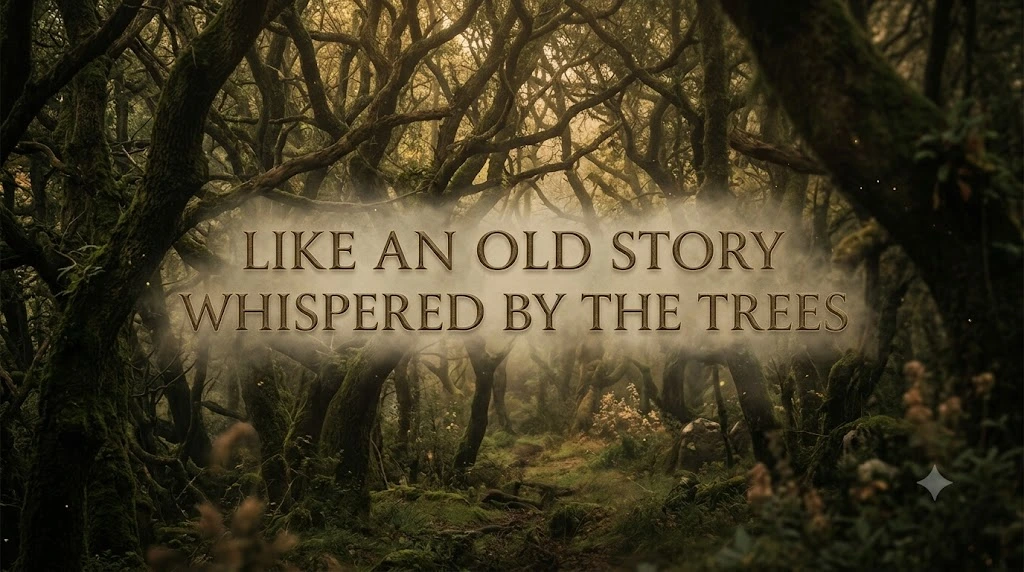
Meaning
This simile suggests wisdom, memories, and the passage of time.
When to Use It
Excellent for literary writing and reflective essays.
Examples
- The forest sounded like an old story whispered by the trees.
- Autumn evenings felt like an old story whispered by the trees.
7. As crisp as the first autumn breeze
Meaning
This simile describes fresh, cool autumn air.
When to Use It
Ideal for weather descriptions.
Examples
- The morning air was as crisp as the first autumn breeze.
- Her voice sounded as crisp as the first autumn breeze.
8. Like fire glowing among the branches
Meaning
This comparison highlights bright red and orange autumn leaves.
When to Use It
Works beautifully in scenic descriptions.
Examples
- The maple trees burned like fire glowing among the branches.
- The hills looked like fire glowing among the branches at sunset.
9. As gentle as falling maple leaves
Meaning
This simile expresses softness and calm movement.
When to Use It
Perfect for emotional storytelling.
Examples
- His words were as gentle as falling maple leaves.
- Snow began settling as gentle as falling maple leaves.
10. Like a golden sunset that never ends
Meaning
This simile captures the rich colours of autumn.
When to Use It
Useful for describing beautiful evening scenery.
Examples
- The forest stretched like a golden sunset that never ends.
- The vineyard glowed like a golden sunset that never ends.
11. As refreshing as autumn rain
Meaning
This comparison suggests renewal and freshness.
When to Use It
Suitable for emotional renewal or nature writing.
Examples
- Her smile felt as refreshing as autumn rain.
- The cool weather was as refreshing as autumn rain.
12. Like a painting brought to life
Meaning
This simile compares autumn scenery to a living work of art.
When to Use It
Ideal for travel writing and landscape descriptions.
Examples
- The mountains looked like a painting brought to life.
- Every trail appeared like a painting brought to life.
13. As timeless as an ancient oak
Meaning
This comparison symbolises wisdom, endurance, and stability.
When to Use It
Excellent for describing traditions, family, or nature.
Examples
- Their friendship remained as timeless as an ancient oak.
- The village stood as timeless as an ancient oak.
14. Like autumn leaves carried by the wind

Meaning
This simile represents change, movement, and life’s journey.
When to Use It
Perfect for reflective or emotional writing.
Examples
- Our memories drifted like autumn leaves carried by the wind.
- Time passed like autumn leaves carried by the wind.
15. As beautiful as autumn’s final sunset
Meaning
This simile expresses breathtaking beauty and peaceful endings.
When to Use It
Ideal for emotional conclusions, poetry, and reflective writing.
Examples
- The evening sky became as beautiful as autumn’s final sunset.
- Her farewell was as beautiful as autumn’s final sunset.
How to Use Similes Effectively in Writing
Using similes thoughtfully can make your writing more engaging and memorable. Here are some practical tips:
- Choose original comparisons instead of overused expressions.
- Match the mood of your simile with the tone of your writing.
- Use nature similes to create vivid seasonal imagery.
- Avoid overusing similes so each comparison has a stronger impact.
- Include sensory details that help readers see, hear, or feel the scene.
- Use similes in poems to create rhythm and emotion.
- Add them to stories to make characters and settings more vivid.
- Include similes in essays when appropriate to make descriptions more engaging.
- Use them in songs to create memorable lyrics.
- Experiment with figurative language examples inspired by the changing colours and atmosphere of fall.
FAQs
What are the best beautiful and creative similes for fall?
Some excellent examples include “like golden coins scattered across the earth,” “as colourful as a painter’s masterpiece,” and “like a painting brought to life.” These comparisons capture the colours, beauty, and peaceful atmosphere of autumn.
What is the difference between a simile and a metaphor?
A simile compares two things using “like” or “as.” A metaphor makes a direct comparison without those words.
Example Simile: The leaves danced like butterflies.
Example Metaphor: The leaves were butterflies in the wind.
Why are similes useful in creative writing?
Similes help readers visualise scenes, understand emotions, and connect more deeply with stories, poems, and descriptive passages.
Can similes be used in academic writing?
Yes. While academic writing should remain clear and professional, similes can be useful in reflective essays, literary analysis, and creative assignments when they support the main idea.
How do nature similes improve descriptions?
Nature similes use familiar images from the natural world to make writing richer, more vivid, and easier for readers to imagine.
Conclusion
Using beautiful and creative similes for fall is one of the most effective ways to make seasonal writing vivid, meaningful, and memorable. Whether you are describing colourful forests, crisp mornings, falling leaves, or peaceful sunsets, carefully chosen similes create imagery that readers can easily picture and feel. They strengthen figurative language, enrich comparisons, and add emotional depth to poems, stories, essays, and personal reflections. By combining original ideas with imagery inspired by nature and the timeless symbolism of trees, you can write with greater creativity and confidence. Keep practising these similes, experiment with your own comparisons, and let the beauty of autumn inspire every sentence you write.