
The moment the music started, everything around me seemed to change. A soft melody floated through the room, the rhythm moved gently through the air, and suddenly an ordinary evening felt like a scene from a beautiful story. I could not simply describe the music as “good” or “beautiful” because it seemed to carry emotions that ordinary words could not capture. That is when similes for music became the perfect way to describe what I was hearing. A melody can be as gentle as a whisper, a beat can pound like a racing heart, or a powerful song can rise like a storm across the sky. These comparisons help readers imagine not only how music sounds but also how it feels. Whether you are describing a peaceful tune, an energetic rhythm, a haunting melody, or a joyful song, a creative simile can make your writing more vivid. In this guide, we’ll explore expressive similes for music that can add emotion, movement, and imagination to poems, stories, essays, reviews, and creative writing.
What Is a Simile?
A simile is a figure of speech that compares two different things using the words “like” or “as.” It helps readers understand an idea more clearly by relating it to something familiar.
Example:
“Her voice flowed like a gentle river through the silent room.”
This simile creates a vivid image and helps readers imagine the smooth and calming quality of the voice.
Music Like a Gentle Breeze
Meaning
This simile describes music that feels soft, refreshing, and calming.
Usage Insight
Use this comparison when describing peaceful melodies, relaxing instrumental pieces, or soothing background music.
Examples
- The piano melody drifted through the hall like a gentle breeze on a spring afternoon.
- Her singing floated across the audience like a gentle breeze through blooming flowers.
Music Like a Flowing River
Meaning
This simile suggests smooth, continuous, and effortless musical movement.
Usage Insight
It works well for describing music with seamless transitions and graceful rhythms.
Examples
- The orchestra moved like a flowing river, carrying every listener along its course.
- His guitar solo unfolded like a flowing river winding through a quiet valley.
Music Like Birds Singing at Dawn
Meaning
This comparison emphasizes freshness, beauty, and natural harmony.
Usage Insight
Perfect for describing uplifting and cheerful music.
Examples
- The choir sounded like birds singing at dawn, filling the church with joy.
- Her voice rose like birds singing at dawn after a long winter night.
Music Like Rain on a Quiet Roof
Meaning
This simile conveys a soothing and comforting sound.
Usage Insight
Ideal for describing gentle rhythms and relaxing compositions.
Examples
- The soft drums echoed like rain on a quiet roof during the evening.
- The acoustic melody felt like rain on a quiet roof, calming every anxious thought.
Music Like a Golden Sunrise
Meaning
This simile represents warmth, hope, and new beginnings.
Usage Insight
Use it when describing inspiring or uplifting musical pieces.
Examples
- The opening notes spread through the theater like a golden sunrise.
- Her performance arrived like a golden sunrise after a difficult day.
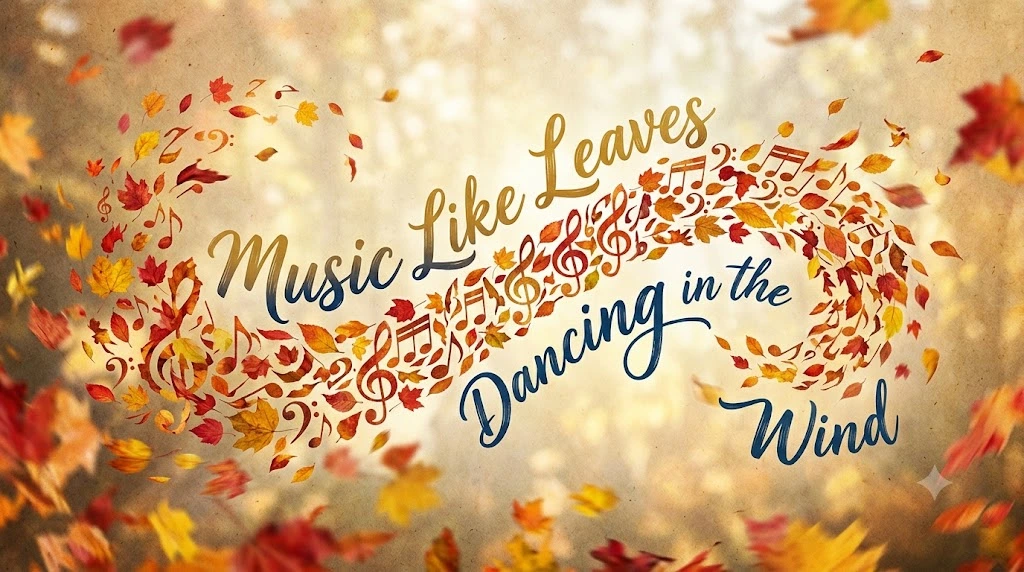
Music Like Leaves Dancing in the Wind
Meaning
This comparison suggests lightness, movement, and playful energy.
Usage Insight
Excellent for lively folk music or cheerful tunes.
Examples
- The violin notes skipped like leaves dancing in the wind.
- The melody twirled through the room like leaves dancing in the wind.
Music Like Waves on the Shore
Meaning
This simile highlights rhythm, repetition, and natural flow.
Usage Insight
Works especially well for music with steady beats and recurring patterns.
Examples
- The drums rolled like waves on the shore beneath the moonlight.
- The song moved like waves on the shore, rising and falling beautifully.
Music Like a Sparkling Waterfall
Meaning
This simile describes vibrant, energetic, and dynamic music.
Usage Insight
Use it for fast-paced compositions full of excitement.
Examples
- The piano keys cascaded like a sparkling waterfall over the audience.
- The symphony rushed forward like a sparkling waterfall after heavy rain.
Music Like a Warm Blanket
Meaning
This comparison expresses comfort, safety, and emotional warmth.
Usage Insight
Great for describing nostalgic songs and heartfelt melodies.
Examples
- The familiar tune wrapped around me like a warm blanket.
- Her lullaby felt like a warm blanket on a cold evening.
Music Like Stars Across the Night Sky
Meaning
This simile suggests beauty, wonder, and brilliance.
Usage Insight
Useful when describing delicate notes that shine individually.
Examples
- The notes glittered like stars across the night sky.
- Each instrument sparkled like stars across the night sky during the finale.
Music Like a Beating Heart
Meaning
This comparison emphasizes rhythm, life, and emotional connection.
Usage Insight
Perfect for describing music that drives emotion and energy.
Examples
- The bass pulsed like a beating heart beneath the melody.
- The song lived within the crowd like a beating heart.
Music Like a Garden in Bloom
Meaning
This simile represents richness, variety, and beauty.
Usage Insight
Use it for layered compositions featuring multiple instruments.
Examples
- The orchestra blossomed like a garden in bloom.
- Every section of the composition opened like a garden in bloom.
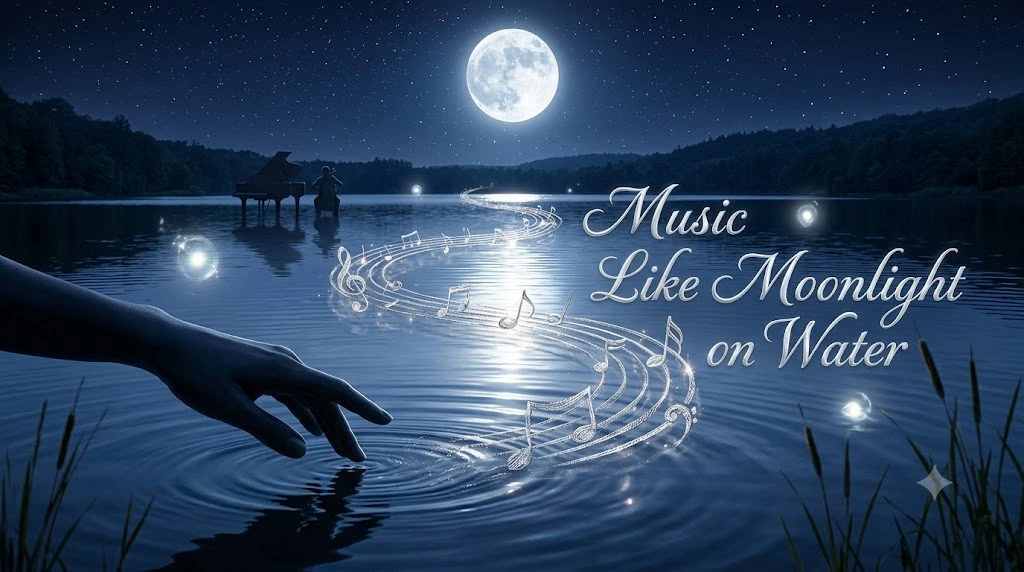
Music Like Moonlight on Water
Meaning
This comparison conveys elegance, mystery, and tranquility.
Usage Insight
Ideal for describing dreamy and reflective music.
Examples
- The harp shimmered like moonlight on water.
- The melody drifted like moonlight on water across the silent hall.
Music Like Thunder Across the Mountains
Meaning
This simile highlights power, intensity, and dramatic impact.
Usage Insight
Best used for strong orchestral or rock performances.
Examples
- The drums exploded like thunder across the mountains.
- The final chorus roared like thunder across the mountains.
Music Like a Butterfly in Flight
Meaning
This comparison suggests grace, delicacy, and freedom.
Usage Insight
Perfect for light and expressive musical passages.
Examples
- Her voice fluttered like a butterfly in flight.
- The flute danced like a butterfly in flight through the melody.
Music Like a Lighthouse in the Dark
Meaning
This simile symbolizes guidance, hope, and emotional comfort.
Usage Insight
Use it when describing music that inspires or provides reassurance.
Examples
- The song stood like a lighthouse in the dark during difficult times.
- His melody shone like a lighthouse in the dark for those who needed hope.
How to Use Similes Effectively in Writing
Using similes effectively can make your writing more vivid and engaging. Here are some practical tips:
1. Match the Mood
Choose similes that fit the emotion of your scene. Soft music may be compared to a breeze, while powerful music may resemble thunder.
2. Draw from Nature
Nature similes often create strong imagery because readers can easily visualize rivers, trees, stars, and waves.
3. Avoid Overusing Similes
Too many comparisons can overwhelm readers. Use them strategically for maximum impact.
4. Be Original
Fresh and creative similes make writing more memorable than overused comparisons.
5. Consider Your Audience
Use simple comparisons for general readers and more sophisticated imagery for literary audiences.
6. Enhance Different Forms of Writing
- Poems: Create emotional depth and vivid imagery.
- Stories: Strengthen character experiences and settings.
- Essays: Clarify complex ideas with relatable comparisons.
- Songs: Add lyrical beauty and emotional resonance.
- Creative Descriptions: Make scenes feel alive and immersive.
FAQs About Similes for Music
What are similes for music?
Similes for music are comparisons that describe musical sounds or experiences using the words “like” or “as,” helping readers visualize and feel the music more clearly.
What is an example of a simile for music?
A strong example is: “The melody flowed like a gentle river through the valley.”
What is the difference between a simile and a metaphor?
A simile uses words such as “like” or “as” to make a comparison, while a metaphor directly states that one thing is another without those connecting words.
Why are similes important in creative writing?
They make descriptions more vivid, engaging, and emotionally powerful by helping readers imagine ideas through familiar comparisons.
Can similes be used in academic writing?
Yes, when used appropriately. Similes can clarify concepts and make explanations more understandable, though they should be used sparingly in formal academic contexts.
Conclusion
Music has a special way of expressing feelings that ordinary words sometimes cannot explain. That is why similes for music are so valuable when you want to describe a song, melody, rhythm, or performance in a creative and memorable way. Instead of simply calling music beautiful, loud, peaceful, emotional, or exciting, a well-chosen simile allows readers to imagine exactly how it sounds and feels. A gentle melody may flow like a quiet stream, while a powerful rhythm can beat like a racing heart. These comparisons create vivid images and make descriptions more engaging.
Using similes for music can also help writers express the emotions hidden within different sounds. Whether a song brings happiness, sadness, excitement, comfort, nostalgia, or inspiration, the right comparison can make that emotion easier to feel. Writers can use these expressions in poems, stories, essays, music reviews, speeches, and creative descriptions. The key is to choose a comparison that naturally matches the mood and energy of the music. With imagination and practice, even a simple musical description can become colorful and unforgettable. Ultimately, similes turn music into pictures, emotions, and experiences that readers can almost hear in their minds.
Discover More Posts
- 250+ Similes to Describe a Person
- 250+ Positive Similes List
- 250+ Beautiful and Creative Similes for Fall