
Have you ever met someone who seemed impossible to describe with ordinary words? That is where similes to describe a person become incredibly useful. Similes compare one thing to another using the words “like” or “as,” helping readers create vivid mental pictures. They are an important part of figurative language because they make descriptions more engaging, memorable, and expressive. Writers, students, and storytellers often use similes to reveal a person’s appearance, personality, emotions, or behavior in creative ways.
Nature offers endless inspiration for beautiful comparisons, making nature similes especially meaningful. Trees, in particular, are powerful symbols of strength, growth, resilience, wisdom, and human emotion because they remain firmly rooted while reaching toward the sky despite life’s storms. By learning these similes, you can make your writing richer, more colorful, and far more enjoyable to read.
What Is a Simile?
A simile is a figure of speech that compares two different things using the words “like” or “as.” It helps readers understand a person, object, or idea by connecting it to something familiar.
Example:
She was as steady as an oak tree during the crisis.
This comparison helps readers imagine someone who is dependable, calm, and emotionally strong.
1. As Steady as an Oak Tree
Meaning
Describes a person who is dependable, emotionally strong, and calm under pressure.
When to Use It
This simile works well when describing leaders, parents, mentors, or anyone who remains reliable during difficult situations.
Examples
- My grandfather remained as steady as an oak tree throughout every family challenge.
- Even during the emergency, Sarah stood as steady as an oak tree and guided everyone safely.
2. Like a River That Never Stops Flowing
Meaning
Describes someone who keeps moving forward despite obstacles.
When to Use It
Perfect for stories about determination, resilience, and personal growth.
Examples
- Despite every setback, he kept moving like a river that never stops flowing.
- Her determination carried her forward like a river finding its path.
3. As Bright as the Morning Sun
Meaning
Describes a cheerful, optimistic, and energetic person.
When to Use It
Ideal for highlighting positive personalities.
Examples
- Emma greeted everyone as bright as the morning sun.
- His smile was as bright as the morning sun, lifting everyone’s mood.
4. Like a Gentle Breeze on a Summer Day
Meaning
Represents someone calm, comforting, and peaceful.
When to Use It
Great for describing caring friends, teachers, or family members.
Examples
- Her voice felt like a gentle breeze on a summer day.
- He entered the room like a gentle breeze, calming everyone’s worries.
5. As Wise as an Ancient Tree
Meaning
Describes someone with deep knowledge and life experience.
When to Use It
Excellent for describing elders, teachers, or thoughtful leaders.
Examples
- The old professor was as wise as an ancient tree.
- She offered advice as wise as an ancient tree rooted through countless seasons.
6. Like a Mountain Standing Against the Storm

Meaning
Describes courage, resilience, and inner strength.
When to Use It
Works well in motivational writing and character descriptions.
Examples
- My mother stood like a mountain against the storm.
- He faced criticism like a mountain refusing to crumble.
7. As Gentle as Falling Snow
Meaning
Describes someone kind, soft-hearted, and peaceful.
When to Use It
Perfect for warm and compassionate personalities.
Examples
- Her words were as gentle as falling snow.
- The nurse treated every patient as gentle as falling snow.
8. Like a Candle Lighting the Darkness
Meaning
Represents a person who inspires hope.
When to Use It
Ideal for inspirational stories and speeches.
Examples
- She became like a candle lighting the darkness for her community.
- His encouragement shone like a candle in difficult times.
9. As Strong as a Cedar
Meaning
Describes physical or emotional strength.
When to Use It
Useful for heroic or resilient characters.
Examples
- The firefighter remained as strong as a cedar.
- She handled every challenge as strong as a cedar rooted deep in the earth.
10. Like an Eagle Soaring Above the Clouds
Meaning
Represents confidence, ambition, and vision.
When to Use It
Excellent for describing successful or determined individuals.
Examples
- He pursued his dreams like an eagle soaring above the clouds.
- Her confidence lifted her like an eagle riding the wind.
11. As Colorful as a Spring Garden
Meaning
Describes someone with a lively, joyful personality.
When to Use It
Perfect for cheerful and outgoing people.
Examples
- Her imagination was as colorful as a spring garden.
- Jake’s personality remained as colorful as a blooming meadow.
12. Like a Lighthouse in the Fog
Meaning
Represents guidance, hope, and wisdom.
When to Use It
Ideal for mentors, parents, or trusted friends.
Examples
- My teacher was like a lighthouse in the fog.
- During uncertainty, she became like a lighthouse guiding lost sailors.
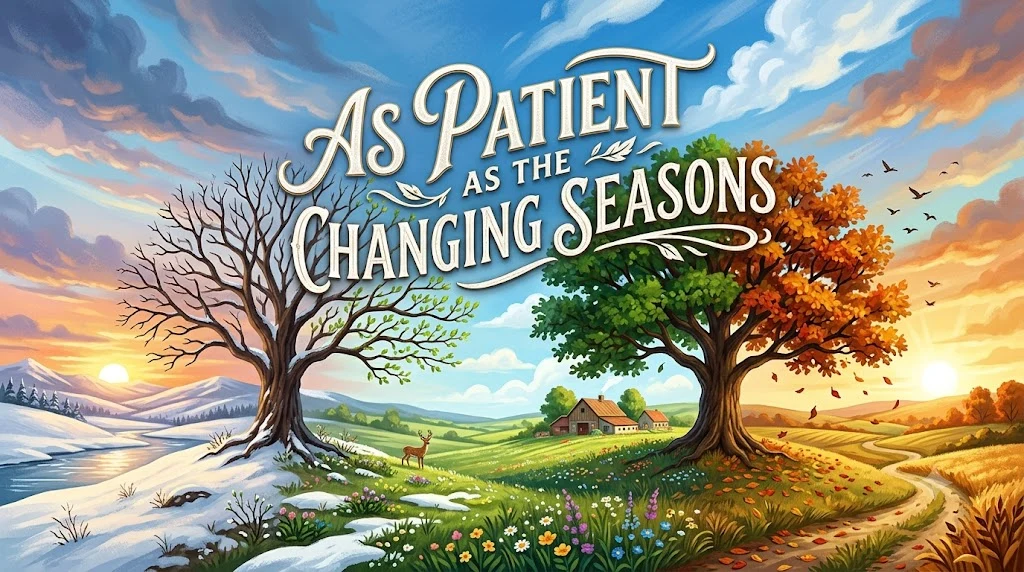
13. As Patient as the Changing Seasons
Meaning
Describes someone who waits calmly and never rushes.
When to Use It
Useful when describing supportive or understanding individuals.
Examples
- The coach remained as patient as the changing seasons.
- She listened as patient as nature waiting for spring.
14. Like a Blooming Rose After the Rain
Meaning
Represents someone who grows stronger after hardship.
When to Use It
Excellent for stories about overcoming adversity.
Examples
- After every challenge, she blossomed like a blooming rose after the rain.
- His confidence returned like flowers blooming after a storm.
15. As Warm as Golden Sunshine
Meaning
Describes a welcoming, friendly, and loving person.
When to Use It
Perfect for describing caring personalities.
Examples
- Grandma’s hugs were as warm as golden sunshine.
- His kindness felt as warm as sunlight on a chilly morning.
How to Use Similes Effectively in Writing
Using similes to describe a person can instantly make your writing more vivid and memorable. Instead of simply saying someone is kind or brave, compare them to something familiar in nature or everyday life. Choose comparisons that match the person’s personality, emotions, or actions. Avoid overusing common expressions by creating fresh, meaningful comparisons that surprise your readers. Nature similes involving trees, rivers, mountains, flowers, and seasons often create powerful emotional connections because readers easily recognize these images. In essays, they make descriptions more engaging without becoming overly dramatic. Songwriters can use similes to express emotions creatively, while students can strengthen creative writing assignments with original figurative language examples. The best similes always feel natural, relevant, and easy to understand.
FAQs
What are the best similes to describe a person?
Some effective similes include as steady as an oak tree, as bright as the morning sun, like a lighthouse in the fog, as gentle as falling snow, and like a river that never stops flowing.
What is the difference between a simile and a metaphor?
A simile compares two things using “like” or “as,” while a metaphor states that one thing is another without using comparison words.
Simile: She is as brave as a lion.
Metaphor: She is a lion.
Why are similes useful in creative writing?
Similes help readers imagine scenes, understand emotions, and connect with characters by creating vivid and memorable comparisons.
Can similes be used in academic writing?
Yes. While academic writing should remain formal, carefully chosen similes can clarify complex ideas, especially in educational, literary, or explanatory contexts.
How do I create original similes to describe a person?
Think about the person’s strongest quality, then compare it with something that naturally represents that trait, such as a tree for strength, a river for perseverance, or sunshine for kindness.
Conclusion
Learning similes to describe a person is one of the easiest ways to make your writing more expressive, engaging, and memorable. Whether you are writing stories, poems, essays, speeches, or songs, thoughtful comparisons help readers visualize personalities and connect emotionally with your characters. Nature similes, especially those inspired by trees, rivers, mountains, flowers, and sunlight, add timeless beauty and deeper meaning because they reflect qualities like strength, resilience, wisdom, hope, and compassion. Rather than relying on ordinary descriptions, choose similes that paint clear mental pictures and match the emotion you want to convey. With regular practice, you will discover that figurative language examples make every sentence stronger, every comparison more meaningful, and every character more unforgettable. The right simile does more than describe a person—it brings them to life with clarity, imagery, and emotional depth while making your writing stand out for every reader.