
Middle school is a time when students begin discovering how powerful words can be, and similes for middle school make that discovery exciting and easy. A simile compares two different things using words such as “like” or “as” to create a clearer picture in the reader’s mind. These comparisons are an important part of figurative language examples because they help ordinary descriptions become more colorful, memorable, and emotional. For example, saying “the classroom was as quiet as a sleeping forest” gives readers a stronger feeling than simply saying “the classroom was quiet.”
Nature is especially useful when creating similes because trees, rivers, clouds, stars, and storms can connect familiar experiences with powerful images. Trees are powerful symbols of strength, growth, resilience, wisdom, and human emotion, making them excellent subjects for nature similes. Students can use similes in poems, stories, essays, speeches, songs, and creative assignments to make their ideas more interesting. Learning how to use these comparisons can help middle school writers communicate with greater clarity, imagination, and confidence.
What Is a Simile?
A simile is a figure of speech that compares two different things using words such as “like” or “as.” The comparison helps readers understand an idea by connecting it to something familiar or vivid.
Example:
“Her determination was like a mountain that refused to move.”
This simile compares determination to a strong mountain, helping the reader imagine someone who remains firm despite difficulties.
Similes appear frequently in similes in literature, poetry, everyday conversation, speeches, and creative writing. For middle school students, they are one of the easiest ways to make descriptions more vivid and expressive.
1. As Bright as a Sunlit Morning
Simile: Her smile was as bright as a sunlit morning.
Meaning: This comparison describes something cheerful, positive, or full of warmth.
Usage insight: Use this simile when describing happiness, optimism, kindness, or an uplifting moment. It works especially well in stories and personal writing.
Examples:
- Mia entered the room with a smile as bright as a sunlit morning.
- His cheerful attitude made the difficult day feel surprisingly hopeful.
2. Like a River Finding Its Way
Simile: His ideas flowed like a river finding its way through the mountains.
Meaning: This simile suggests that ideas develop naturally and continuously, even when the path is complicated.
Usage insight: It works well when describing creative thinking, brainstorming, storytelling, or problem-solving.
Examples:
- Once she began writing, her ideas flowed like a river finding its way through the mountains.
- The student explained his solution with thoughts that moved smoothly from one point to another.
3. As Steady as an Old Oak
Simile: She stood as steady as an old oak in the wind.
Meaning: This describes someone who remains calm, strong, and determined during difficult situations.
Usage insight: Use it when writing about courage, confidence, patience, or resilience.
Examples:
- Even when everyone became nervous, Daniel remained as steady as an old oak.
- The captain stood as steady as an old oak while the team waited for the final result.
4. Like a Spark in the Darkness
Simile: Her idea was like a spark in the darkness.
Meaning: The comparison suggests that an idea brings hope, excitement, or a solution when something seems difficult.
Usage insight: This simile is effective in essays, stories, and speeches about creativity, leadership, or problem-solving.
Examples:
- His suggestion was like a spark in the darkness when the group could not find an answer.
- One small act of kindness became a spark in the darkness for the lonely student.
5. As Quick as a Swallow
Simile: The runner was as quick as a swallow crossing the sky.
Meaning: This describes someone or something that moves extremely fast.
Usage insight: It can add energy to sports stories, adventure writing, action scenes, and descriptions of movement.
Examples:
- The athlete was as quick as a swallow crossing the sky.
- She grabbed the falling notebook as quick as a swallow swooping toward the ground.
6. Like Thunder Across the Hills
Simile: His laughter rolled like thunder across the hills.
Meaning: This comparison describes a laugh or sound that is loud, powerful, and impossible to ignore.
Usage insight: Use it to make sound descriptions more dramatic and memorable, particularly in stories and creative descriptions.
Examples:
- His laughter rolled like thunder across the hills.
- The crowd’s cheers echoed through the stadium like thunder across the hills.
7. As Calm as a Still Lake
Simile: She remained as calm as a still lake.
Meaning: This suggests that someone is peaceful and composed even when other people may feel nervous.
Usage insight: It is useful when describing characters who stay focused under pressure.
Examples:
- While everyone else panicked, Aisha remained as calm as a still lake.
- The speaker looked as calm as a still lake before giving his presentation.
8. Like Leaves Dancing in the Wind
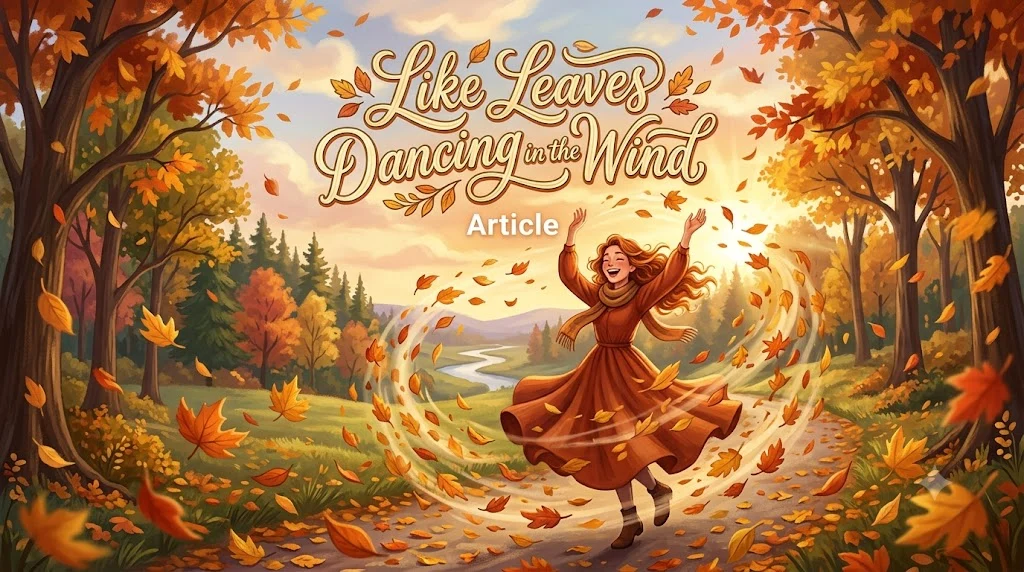
Simile: The children moved like leaves dancing in the wind.
Meaning: This comparison suggests light, energetic, playful, or unpredictable movement.
Usage insight: It works especially well in nature writing, poems, and descriptions of groups moving freely.
Examples:
- The dancers moved like leaves dancing in the wind.
- The children ran across the field like leaves dancing in the wind.
9. As Curious as a Fox
Simile: The young scientist was as curious as a fox exploring a new forest.
Meaning: This describes someone who is eager to discover, investigate, and learn new things.
Usage insight: Use it when writing about students, explorers, inventors, or characters who ask many questions.
Examples:
- Noah was as curious as a fox exploring a new forest.
- The class became curious when they noticed an unusual pattern in the experiment.
10. Like a Lighthouse in a Storm
Simile: Her advice was like a lighthouse in a storm.
Meaning: This suggests that someone’s guidance provides direction and hope during a confusing or difficult time.
Usage insight: This is a strong choice for essays and stories about friendship, leadership, support, or difficult decisions.
Examples:
- Her teacher’s advice was like a lighthouse in a storm.
- When I felt lost about my future, my brother’s encouragement became a lighthouse in a storm.
11. As Gentle as Falling Snow
Simile: His voice was as gentle as falling snow.
Meaning: This describes something soft, peaceful, quiet, or comforting.
Usage insight: Use it for dialogue, peaceful scenes, emotional moments, or descriptions of gentle behavior.
Examples:
- The grandmother’s voice was as gentle as falling snow.
- He spoke to the frightened puppy in a voice as gentle as falling snow.
12. Like a Seed Waiting for Spring
Simile: Her dream was like a seed waiting for spring.
Meaning: This comparison represents potential, patience, hope, and something that needs time to grow.
Usage insight: It works beautifully in writing about goals, dreams, learning, personal development, and future success.
Examples:
- His dream was like a seed waiting for spring.
- The young artist’s talent was like a seed waiting for spring, ready to grow with practice.
13. As Stubborn as a Mountain
Simile: He was as stubborn as a mountain refusing to move.
Meaning: This describes someone who refuses to change their mind or give up their position.
Usage insight: This can be useful for character descriptions, especially when you want to show both determination and stubbornness.
Examples:
- My little brother was as stubborn as a mountain when he decided to finish the puzzle alone.
- The character remained as stubborn as a mountain despite everyone’s advice.
14. Like Stars Scattered Across the Sky
Simile: The classroom ideas were like stars scattered across the sky.
Meaning: This comparison suggests that many different ideas are present, each with its own value or possibility.
Usage insight: Use this simile when describing brainstorming, imagination, creativity, or a collection of possibilities.
Examples:
- The students’ creative ideas were like stars scattered across the sky.
- Her notebook was filled with possibilities like stars scattered across the sky.
15. As Strong as a Tree After the Storm
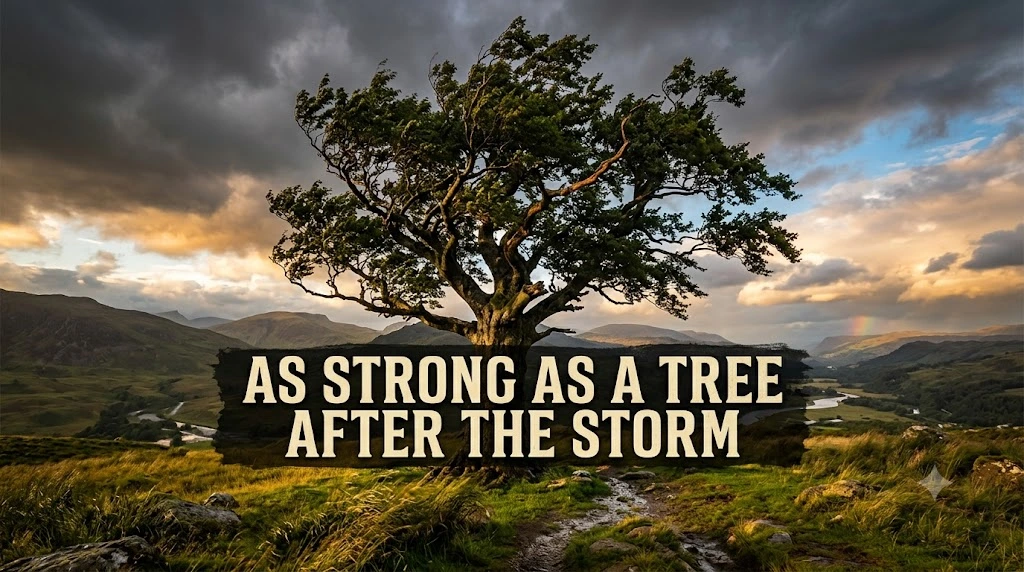
Simile: She was as strong as a tree after the storm.
Meaning: This describes someone who becomes stronger or remains resilient after facing difficulties.
Usage insight: It is particularly effective in personal narratives, inspirational writing, poems, and stories about overcoming challenges.
Examples:
- After failing the competition, Maya returned as strong as a tree after the storm.
- His difficult experience made him as strong as a tree after the storm.
How to Use Similes Effectively in Writing
Learning similes for middle school is not just about memorizing comparisons. The real skill is knowing when and how to use them naturally. A good simile should strengthen your message rather than distract readers from it.
1. Use Similes in Poems
Poetry depends heavily on imagery and emotion, so similes can make short lines more meaningful.
Instead of:
The moon was bright.
Try:
The moon shone like a silver lantern above the sleeping town.
The second sentence creates a clearer mental picture.
2. Add Similes to Stories
Similes can help readers visualize characters, places, emotions, and actions.
For example:
The old house stood like a forgotten ship at the edge of the road.
This comparison gives the setting personality and atmosphere.
3. Strengthen Essays
Academic writing should remain clear, but carefully chosen comparisons can help explain difficult concepts.
For example:
Learning a new language is like building a bridge between two cultures.
This comparison makes an abstract idea easier to understand.
4. Make Songs More Emotional
Songwriting often depends on memorable imagery. A thoughtful simile can make an emotion easier for listeners to feel.
For example:
Your friendship is like a light that guides me home.
5. Improve Creative Descriptions
When describing people, objects, weather, or places, choose comparisons that readers can easily imagine.
Instead of:
The wind was strong.
You might write:
The wind rushed through the trees like an invisible army.
6. Choose Comparisons That Fit the Subject
A simile should make sense within the situation. Think about the quality you want to highlight—speed, strength, beauty, fear, kindness, silence, excitement, or sadness—and choose a comparison that clearly represents it.
7. Avoid Using Too Many Similes
Similes are powerful when they are used carefully. Filling every sentence with comparisons can make writing feel crowded. Choose the strongest comparisons and allow them to stand out.
8. Use Familiar Images
Middle school readers and writers can create effective figurative language by comparing ideas to familiar things such as trees, rivers, stars, clouds, animals, sports, seasons, music, and everyday objects.
9. Create Original Comparisons
Try not to rely only on common phrases. An original simile can make your writing more memorable.
For example:
“Her thoughts scattered like paper airplanes in a restless classroom.”
This gives readers a fresh image instead of using a predictable comparison.
10. Read Your Similes Aloud
Reading your writing aloud can help you notice awkward or unnatural comparisons. If a simile sounds forced, replace it with a simpler and clearer one.
Similes vs. Metaphors: What Is the Difference?
Similes and metaphors are both forms of figurative language, but they create comparisons in different ways.
A simile uses words such as like or as:
“The baby was as quiet as a mouse.”
A metaphor makes a direct comparison without using “like” or “as”:
“The baby was a quiet mouse.”
Both sentences create an image of quietness, but the simile clearly signals the comparison.
For middle school students, remembering this simple difference can make identifying and creating figurative language much easier.
Why Are Similes Important for Middle School Students?
Similes help students move beyond basic descriptions and develop stronger writing skills. They encourage writers to think about qualities, images, emotions, and connections between seemingly different things.
A student might write:
“The test was difficult.”
That sentence is clear, but it does not create much imagery.
A stronger creative description could be:
“The test was like a maze with a different puzzle behind every corner.”
The second sentence gives readers an image that helps them understand the student’s experience.
This is why similes in literature, classroom assignments, creative writing, poetry, and speeches can be so effective. They help students express complex thoughts in ways that are easier to visualize and remember.
FAQs About Similes for Middle School
1. What are good similes for middle school students?
Good similes are comparisons that are clear, creative, and easy to understand. Examples include “as steady as an old oak,” “like a lighthouse in a storm,” and “as gentle as falling snow.”
2. What is a simile according to the H1 topic?
For similes for middle school, a simile is a comparison between two different things using words such as “like” or “as.” These comparisons help students make their writing more descriptive and expressive.
3. What is the difference between a simile and a metaphor?
A simile directly compares two things using “like” or “as.” A metaphor makes a direct comparison without those words. For example, “He is as brave as a lion” is a simile, while “He is a lion” is a metaphor.
4. Can students use similes in academic writing?
Yes. Similes can be useful in academic writing when they clarify an abstract idea or explain a difficult concept. However, they should be used thoughtfully and should not replace precise factual explanations.
5. Where can middle school students use similes?
Students can use similes in poems, short stories, essays, speeches, songs, personal narratives, creative descriptions, and classroom assignments. They are especially helpful when students want to create vivid imagery or communicate emotions.
Conclusion
Learning similes for middle school gives students a simple but powerful way to make their writing clearer, more vivid, and more memorable. A well-chosen simile can turn an ordinary sentence into an image that readers can almost see, hear, or feel. From trees standing firmly after storms to stars scattered across a dark sky, comparisons allow students to connect familiar experiences with new ideas. They also make figurative language examples easier to understand and help young writers recognize the creative techniques used in similes in literature. The best similes are not simply complicated words placed together; they are meaningful comparisons that strengthen an idea and add emotional depth. Students can use them in poems, stories, essays, songs, speeches, and everyday creative writing. With practice, experimenting with different comparisons can make writing more confident, expressive, and original. So, the next time you want your words to stand out, think beyond a simple description and create a comparison that paints a picture in your reader’s mind.